Leg Heaviness: Why Do My Legs Feel Heavy and What Helps?
Do your legs feel heavy, tired, weak, or difficult to move? Leg heaviness can feel like your legs are weighed down or require more effort than usual, particularly after standing or sitting for long periods.
Sometimes tired, heavy legs are simply related to physical activity or prolonged inactivity. In other cases, persistent heaviness can be associated with circulation problems such as chronic venous insufficiency.
The Society for Vascular Surgery lists swelling, pain, and a tight or heavy feeling in the calves among symptoms associated with chronic venous insufficiency.
Understanding why your legs feel heavy is important because the appropriate treatment depends on the underlying cause.
What Does Leg Heaviness Feel Like?
Leg heaviness is a sensation rather than a specific disease.
People may describe it as:
- Legs that feel heavy or weighted down
- Tired legs
- Heavy calves
- Achy or painful legs
- Legs that feel heavy and weak
- Tightness or pressure
- Swelling
- Difficulty remaining on your feet for long periods
- Legs that feel increasingly heavy later in the day
Some people describe the sensation as heavy leg syndrome, although that is not a single medical diagnosis.
The combination of symptoms and when they occur can provide clues about the underlying cause.
Why Do My Legs Feel Heavy?
There are several possible reasons for persistent heaviness in the legs.
Chronic Venous Insufficiency
Chronic venous insufficiency (CVI) occurs when veins in the legs have difficulty efficiently returning blood toward the heart.
Veins contain one-way valves that help prevent blood from flowing backward. When these valves do not function properly, blood can pool in the lower legs and increase pressure inside the veins.
CVI can cause:
- Leg heaviness
- Aching or tired legs
- Swelling around the ankles or lower legs
- Cramping
- Itching
- Skin discoloration
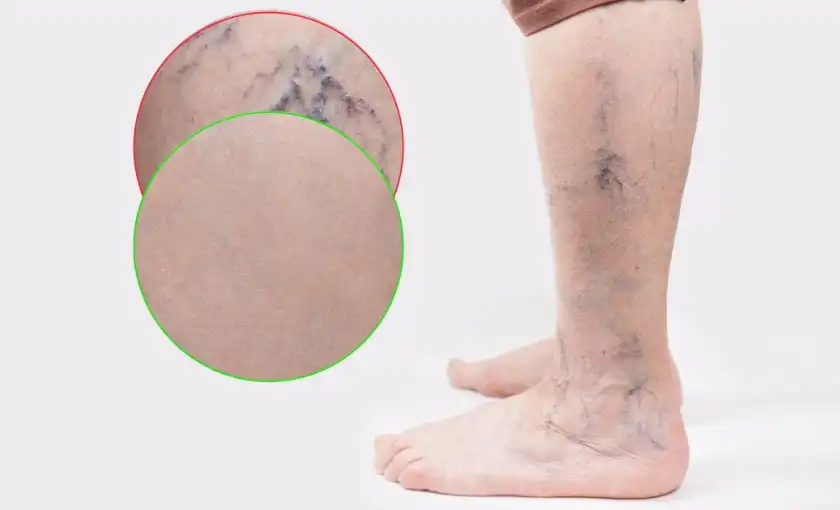
- Varicose veins
Cleveland Clinic specifically lists a full or heavy feeling in the legs among common CVI symptoms.
Symptoms may become more noticeable after prolonged standing or later in the day.
Varicose Veins
Varicose veins may also cause tired, aching, or heavy legs.
The NHS lists pain, aching, heaviness, skin changes, and swelling among possible varicose vein symptoms. Symptoms may worsen after standing for a long time and improve when resting with the legs elevated.
Prolonged Sitting or Standing
Standing or sitting in one position for long periods can make the legs feel tired or heavy.
When you walk, contractions of the calf muscles help move venous blood upward. Long periods with little movement reduce this muscle-pump activity.
Taking regular movement breaks may help.
Muscle Fatigue
Exercise, physically demanding work, or prolonged walking can cause temporary heaviness as the muscles become fatigued.
This type of heaviness usually improves with rest and recovery.
Peripheral Arterial Disease
Leg heaviness can also occur with arterial circulation problems.
Peripheral arterial disease reduces blood flow through the arteries and may cause discomfort, weakness, fatigue, or cramping with activity.
Symptoms that repeatedly occur while walking and improve with rest deserve medical evaluation.
Nerve or Spine Problems
Nerve compression, peripheral neuropathy, sciatica, and certain spinal conditions may cause:
- Heaviness
- Weakness
- Numbness
- Tingling
- Burning
Leg heaviness accompanied by significant numbness or weakness may require evaluation beyond the venous system.
Why Do My Legs Feel Heavy and Tired?
Heavy, tired legs may occur after a long day of standing, walking, exercising, or sitting.
However, when this happens regularly, especially along with swelling, aching, or visible varicose veins, venous disease may be contributing.
CVI symptoms commonly become more noticeable after prolonged standing because pressure builds in the lower-leg veins.
Why Do My Legs Feel Heavy and Weak?
A sensation of heavy and weak legs can have several causes.
Possible explanations include:
- Muscle fatigue
- Venous insufficiency
- Reduced arterial circulation
- Nerve problems
- Certain medical conditions
- Medication side effects
True muscle weakness is different from simply feeling tired or heavy.
If weakness is persistent, worsening, or affecting your ability to walk normally, it should be medically evaluated rather than assumed to be caused by varicose veins.
Why Do My Calves Feel Heavy?
The calves play an important role in venous circulation.
When calf muscles contract during walking, they help push blood upward through the leg veins. If venous valves are not functioning properly, pressure can build in the lower legs.
The Society for Vascular Surgery lists a tight or heavy feeling in the calves as a symptom of chronic venous insufficiency.
Heavy calves associated with swelling, aching, visible veins, or symptoms that worsen after standing may warrant a vein evaluation.
Why Does One Leg Feel Heavy?
Heaviness affecting only one leg deserves a little more attention because some causes of unilateral symptoms may require prompt evaluation.
One-sided heaviness can be related to:
- A vein problem affecting one leg
- Muscle or joint injury
- Nerve compression
- Swelling
- Previous vein damage
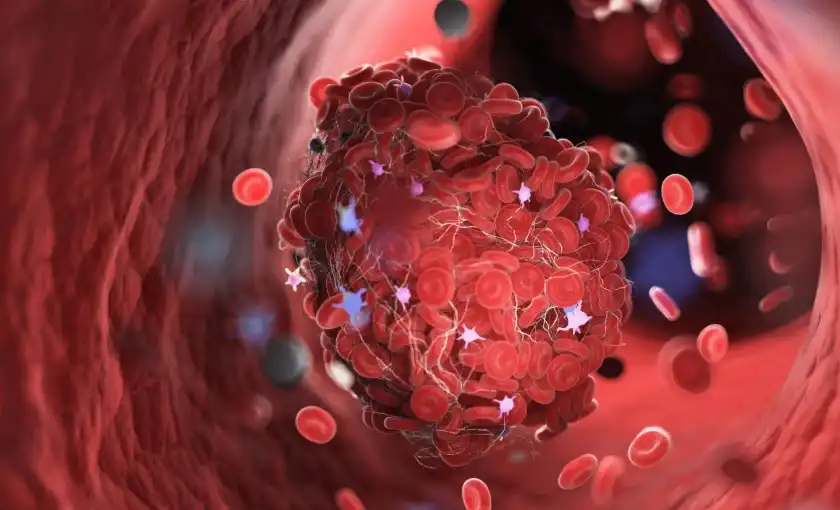
- A blood clot
A DVT commonly affects one leg and may cause swelling and pain or tenderness.
If one leg suddenly becomes significantly swollen, painful, warm, or otherwise noticeably different from the other, seek prompt medical evaluation.
Why Are My Legs Achy and Heavy?
Aching and heaviness frequently occur together in venous disease.
Varicose veins and CVI can produce:
- Dull aching
- Throbbing
- Heaviness
- Leg fatigue
- Swelling
These symptoms often worsen after prolonged standing and may improve with leg elevation.
However, persistent pain can have many causes, so aching should not automatically be attributed to the veins.
What Is Heavy Leg Syndrome?
“Heavy leg syndrome” is a general phrase used to describe persistent feelings of heaviness, tiredness, aching, or pressure in the legs.
It is not a single medical diagnosis.
The sensation may be related to:
- Chronic venous insufficiency
- Varicose veins
- Prolonged standing
- Muscle fatigue
- Swelling
- Arterial disease
- Neurological conditions
Determining the cause is more important than simply treating the sensation.
How Is Leg Heaviness Diagnosed?
Your healthcare provider may begin by asking:
- When the heaviness started
- Whether one or both legs are affected
- Whether symptoms worsen during the day
- Whether standing makes symptoms worse
- Whether elevation improves them
- Whether swelling, pain, numbness, or weakness is present
- Whether you have visible varicose veins
- Your medical history and medications
A physical examination may look for swelling, varicose veins, skin changes, pulse strength, and other findings.
Duplex Ultrasound
When venous insufficiency is suspected, a duplex ultrasound can evaluate blood flow and determine whether blood is refluxing through abnormal veins.
The results can help determine whether venous disease is contributing to your symptoms.
What Is the Best Treatment for Leg Heaviness?
The best treatment for heaviness in the legs depends on what is causing it.
If venous insufficiency is responsible, treatment may begin with measures that reduce symptoms and improve lower-leg movement.
How Can You Get Relief From Heavy Legs?
Walk and Stay Active
Walking activates the calf-muscle pump and supports movement of blood through the leg veins.
Regular physical activity can also reduce long periods of inactivity.
Avoid Prolonged Sitting or Standing
If your job requires sitting or standing for long periods, change positions and walk periodically when possible.
Elevate Your Legs
For people with venous symptoms, resting with the legs elevated may temporarily reduce swelling or heaviness.
The NHS notes that varicose vein symptoms may improve when resting with the legs raised.
Consider Compression Stockings
Compression stockings may help some people with venous swelling and heaviness.
They apply graduated pressure to the legs to support venous blood return.
Compression is not appropriate for everyone, particularly some people with significant arterial circulation problems, so stronger medical compression should be discussed with a healthcare professional.
Maintain a Healthy Weight
Maintaining a healthy weight can reduce additional pressure on the legs and support overall cardiovascular health.
Stop Smoking
Smoking damages the cardiovascular system and increases the risk of vascular disease.
If you smoke, your healthcare provider can discuss evidence-based methods for quitting.
What Is the Treatment for Heavy Legs Caused by Venous Insufficiency?
If conservative measures do not adequately control symptoms and an ultrasound identifies significant venous reflux, your vein specialist may discuss treating the abnormal vein.
Treatment options can include:
The appropriate treatment depends on your symptoms, vein anatomy, and ultrasound findings.
Can Treatment Get Rid of the Heavy Leg Sensation?
When heaviness is related to venous reflux, treating the underlying vein condition may improve symptoms.
However, heavy legs can have many causes, so treatment should begin with an accurate diagnosis.
If your symptoms are caused by nerves, arteries, muscles, joints, medications, or another medical condition, vein treatment would not address the underlying problem.
When Should Heavy or Painful Legs Be Evaluated?
Consider scheduling an evaluation if:
- Your legs feel heavy regularly
- Heaviness has lasted several weeks
- Your legs are consistently achy and heavy
- You develop swelling
- Varicose veins are becoming painful
- Symptoms interfere with walking or activity
- Skin around the ankles changes color
- Elevation and movement no longer provide adequate relief
- One leg feels persistently different from the other
Seek prompt medical care for sudden significant one-sided swelling or pain, particularly when the leg is warm or discolored, because these can occur with DVT.
Heavy Legs and Venous Insufficiency Treatment at BASS Vein Center
If your legs regularly feel heavy, achy, swollen, or tired, an evaluation can help determine whether venous insufficiency is contributing.
BASS Vein Center evaluates conditions including:
- Chronic venous insufficiency
- Varicose veins
- Leg swelling
- Leg heaviness
- Other venous disorders
If testing identifies venous reflux, your vein specialist can discuss conservative care and minimally invasive treatment options based on your individual findings.
Schedule a vein evaluation or call 925-477-3030.
Frequently Asked Questions
Why do my legs feel heavy?
Heavy legs can result from prolonged standing or sitting, muscle fatigue, chronic venous insufficiency, varicose veins, arterial circulation problems, nerve conditions, or other medical issues.
What causes heaviness in the legs?
Common causes include venous insufficiency, varicose veins, prolonged inactivity, muscle fatigue, swelling, arterial disease, and neurological conditions.
What is the best treatment for heaviness in the legs?
Treatment depends on the cause. If venous insufficiency is responsible, walking, leg elevation, appropriate compression, and treatment of abnormal veins may help.
How do you get relief from heavy legs?
Regular movement, avoiding prolonged inactivity, leg elevation, and appropriate compression may help when heaviness is related to venous disease.
Why do my legs feel heavy and weak?
Heavy and weak legs can occur from muscle fatigue, circulation problems, nerve conditions, medications, or other medical causes. Persistent true weakness should be medically evaluated.
Why do my legs feel heavy and tired?
Prolonged standing, physical activity, and venous insufficiency can all contribute to tired, heavy legs. Venous symptoms often become more noticeable after standing for long periods.
Why does one leg feel heavy?
One-sided heaviness can have vascular, muscular, neurological, or other causes. Sudden heaviness accompanied by significant swelling, pain, warmth, or discoloration should receive prompt medical evaluation.
Can chronic venous insufficiency cause heavy legs?
Yes. Leg or calf heaviness is a recognized symptom of chronic venous insufficiency and may occur along with swelling, aching, varicose veins, cramping, or skin changes.
Note: Coverage varies between insurance plans. Please check with your insurance provider before scheduling. BASS Vein Center will verify your benefits so you understand any out-of-pocket costs ahead of treatment.
Medical Disclaimer: The information provided in this blog is for educational and informational purposes only and is not intended as medical advice, diagnosis, or treatment. BASS Medical Group does not endorse any specific tests, treatments, procedures, or opinions referenced in this content. Individual results may vary. Always consult with your physician or a qualified healthcare provider regarding any medical concerns or before making changes to your health regimen.