Restless Leg Syndrome: How Compression Stockings Help
Restless leg syndrome (RLS) is a neurological condition that causes an uncomfortable urge to move the legs. Symptoms commonly appear during periods of rest, particularly in the evening or at night, and often improve temporarily with movement.
People with RLS frequently look for non-medication ways to relieve these sensations, including compression socks for restless legs. Compression may help some people feel more comfortable, but it is not a cure for RLS and may not work for everyone.
Understanding the difference between restless leg syndrome and circulation-related leg symptoms can also help determine whether compression therapy or a vascular evaluation may be appropriate.
What Causes Restless Leg Syndrome?
The exact cause of RLS is not always known.
Research suggests that RLS may involve dysfunction in brain pathways responsible for movement, including pathways involving dopamine. Low iron levels in the brain may also contribute to RLS.
Other factors associated with RLS can include:
- Family history of RLS
- Iron deficiency
- Pregnancy
- Certain medications
- Kidney disease
- Other neurological or medical conditions
RLS commonly causes sensations that people describe as crawling, tingling, pulling, aching, itching, or an irresistible urge to move the legs.
Symptoms typically:
- Become worse during rest
- Become more noticeable in the evening or at night
- Improve temporarily when you move
- Interfere with falling asleep or staying asleep
Do Compression Socks Help With Restless Legs?
Compression socks may help relieve restless leg symptoms for some people, but they are not a standard cure for RLS and do not work for everyone.
Compression provides external pressure to the legs. Some people find this pressure or sensory stimulation calming when they experience uncomfortable leg sensations.
A systematic evidence review of RLS treatments found that compression stockings improved symptom scores compared with sham treatment in available studies, although the evidence base was limited.
A more recent 2024 study also found improvements in RLS complaints and sleep measures among pregnant women who used compression stockings, although those findings apply specifically to the population studied and should not be generalized to everyone with RLS.
Compression socks should therefore be viewed as a possible symptom-management option, not a treatment for the neurological cause of restless leg syndrome.
How Do Compression Socks for Restless Legs Work?
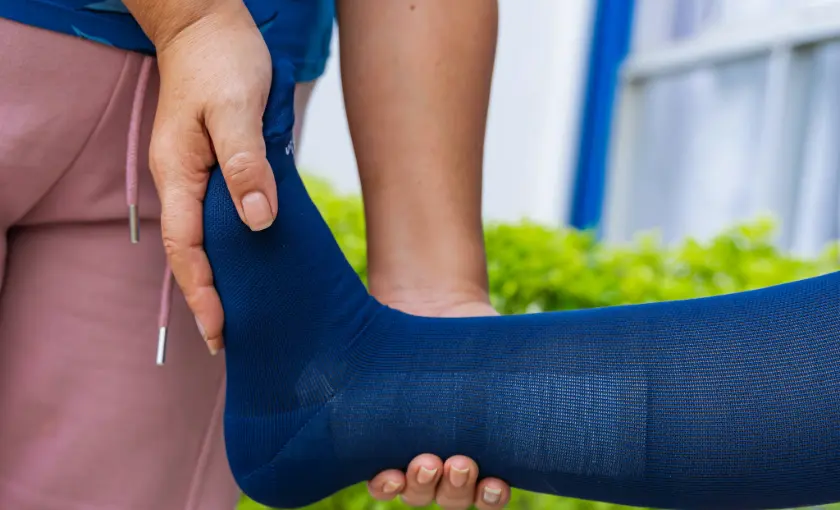
Compression stockings apply graduated pressure to the legs, typically with the greatest pressure around the ankle and decreasing pressure farther up the leg.
For people with venous conditions, this pressure helps support blood movement from the legs back toward the heart and can help reduce swelling or blood pooling.
For RLS specifically, symptom relief may also relate to the physical pressure and sensory stimulation provided by compression rather than simply “improving circulation.”
This distinction is important because restless leg syndrome is not generally caused by poor circulation.
What Are the Benefits of Compression Socks for RLS?
People who respond well to compression socks may notice benefits such as:
- Reduced awareness of uncomfortable leg sensations
- Less urge to continually move the legs
- Reduced leg swelling when a venous condition is also present
- Greater comfort while sitting or resting
The response varies considerably between individuals.
If compression socks make symptoms worse, cause numbness, pain, skin irritation, or significant discomfort, stop using them and discuss the symptoms with a healthcare provider.
When Should You Wear Compression Socks for Restless Leg Syndrome?
The best time to wear compression socks depends on why they are being used.
If compression has been recommended for an underlying venous condition, your healthcare provider may recommend wearing stockings during the day, particularly when you spend long periods sitting or standing.
If you are trying compression specifically for restless leg symptoms, ask your provider about:
- Appropriate compression strength
- How many hours to wear them
- Whether daytime or evening use is appropriate
- Whether you have any circulation conditions that make compression unsuitable
Higher compression levels should generally be selected with medical guidance rather than simply purchasing the strongest stockings available.
Can You Wear Compression Socks to Bed for Restless Legs?
Do not automatically assume compression socks should be worn overnight.
Most graduated compression stockings designed for venous conditions are commonly worn while you are awake and removed for sleep unless a healthcare professional gives different instructions.
Whether overnight compression is appropriate depends on:
- The type of compression garment
- Compression strength
- Why you are using it
- Your arterial circulation
- Skin health
- Other medical conditions
If restless leg symptoms primarily occur at night, talk with your healthcare provider about whether evening compression, another type of pressure-based therapy, or a different RLS treatment would be more appropriate.
Can You Sleep in Compression Socks for Restless Leg Syndrome?
Sleeping in compression socks is not necessary or appropriate for everyone with RLS.
If a healthcare professional has specifically recommended overnight compression, follow those instructions. Otherwise, do not assume that leaving daytime compression stockings on throughout the night will provide greater relief.
Compression that is too strong, poorly fitted, rolled, or bunched can cause discomfort and skin problems.
For nighttime RLS symptoms, other measures may also be considered depending on the underlying cause.
What Other Treatments Can Help Restless Leg Syndrome?
RLS treatment depends on symptom severity and whether an underlying cause can be identified.
Non-medication strategies may include:
Regular Moderate Exercise
Regular physical activity may help some people with RLS, although strenuous exercise close to bedtime may worsen symptoms for some individuals.
Stretching and Massage
Stretching or massaging the legs may temporarily relieve uncomfortable sensations.
Warm or Cool Therapy
Warm baths, heating pads, or cool packs can provide sensory stimulation that may reduce symptoms for some people.
Mayo Clinic notes that warm baths, massage, temperature therapy, moderate exercise, and healthy sleep habits may help relieve RLS symptoms.
Healthy Sleep Habits
Maintaining a consistent sleep schedule and reducing factors that interfere with sleep may be useful because RLS frequently becomes more noticeable at night.
Checking Iron Levels
Iron deficiency is associated with RLS. A healthcare provider may recommend blood testing when appropriate.
Do not begin high-dose iron supplementation solely for restless leg symptoms without medical guidance.
Medication
People with persistent or severe RLS may require medication or evaluation by a clinician who treats neurological or sleep disorders.
Is Restless Leg Syndrome Caused by Poor Circulation?
Usually, RLS itself is not considered a circulation disorder.
However, circulation-related conditions can cause symptoms that overlap with restless legs, including:
- Aching
- Leg heaviness
- Swelling
- Cramping
- Discomfort after prolonged standing or sitting
This can make it difficult to tell whether symptoms are caused by RLS, venous disease, or both.
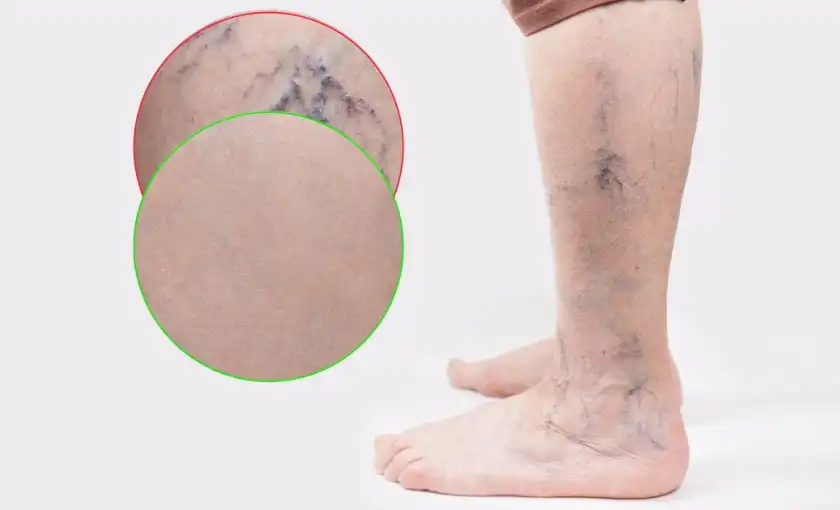
If your symptoms include prominent swelling, visible varicose veins, skin changes, or persistent leg heaviness, a vascular evaluation may help determine whether a vein condition is contributing.
Can Venous Insufficiency Feel Like Restless Leg Syndrome?
Some symptoms of chronic venous insufficiency may overlap with the discomfort people describe as restless legs.
Venous insufficiency occurs when veins in the legs have difficulty returning blood toward the heart. Symptoms may include:
- Leg heaviness
- Aching
- Swelling
- Cramping
- Itching
- Varicose veins
- Skin changes
RLS has a different underlying mechanism, but someone can potentially have both conditions.
A key feature of RLS is the urge to move the legs during rest, with temporary relief from movement.
Are Compression Socks Better for RLS or Venous Insufficiency?
Compression stockings have a much more established role in managing certain venous symptoms than they do in treating RLS itself.
They can help reduce swelling and support venous return in appropriately selected patients with vein problems.
For RLS, compression may help some people manage symptoms, but the evidence is more limited and the underlying neurological condition may require a different treatment approach.
This is why correctly identifying the cause of your leg discomfort matters.
Who Should Ask a Doctor Before Using Compression Socks?
Talk with a healthcare professional before beginning compression therapy if you have:
- Known or suspected peripheral arterial disease
- Significant diabetes-related circulation problems
- Open wounds or significant skin problems
- Severe leg pain of unknown cause
- Significant numbness or neuropathy
- Unexplained swelling
The correct size and compression level also matter. Stockings that are too tight or poorly fitted can be uncomfortable and may not be appropriate for your condition.
When Should Restless Leg Symptoms Be Evaluated?
Consider discussing symptoms with a healthcare provider if:
- Restless legs regularly interfere with sleep
- Symptoms are becoming more frequent or severe
- You are unsure whether symptoms are RLS or another condition
- You have significant swelling
- Varicose veins are present
- Your legs feel persistently heavy or achy
- Skin discoloration or other changes develop
RLS may require neurological, sleep-related, or primary-care evaluation.
When symptoms suggest an underlying venous condition, a vascular evaluation can determine whether blood flow in the veins is contributing to your discomfort.
Restless Leg Symptoms and Vein Care at BASS Vein Center
If your restless leg symptoms occur alongside swelling, heaviness, aching, varicose veins, or other signs of venous disease, BASS Vein Center can evaluate whether an underlying circulation problem may be contributing.
Our vein specialists diagnose and treat chronic venous insufficiency, varicose veins, and other vascular conditions at locations throughout Northern California.
Find a BASS Vein Center location or request an appointment online.
Call 925-477-3030 for more information.
Frequently Asked Questions
Do compression socks help with restless legs?
Compression socks may reduce uncomfortable restless leg sensations for some people, but they do not work for everyone and are not a cure for RLS. Evidence for compression as an RLS treatment is more limited than its established use for venous symptoms.
What compression socks are best for restless leg syndrome?
There is no single compression level that is best for everyone with RLS. The appropriate strength and fit depend on the individual and whether another vascular condition is present. Ask a healthcare professional before using stronger medical-grade compression.
Can you wear compression socks to bed for restless legs?
Do not assume that daytime compression stockings should be worn while sleeping. Overnight compression should be used when appropriate for the specific product and medical situation or when recommended by a healthcare professional.
Can you sleep in compression socks for restless leg syndrome?
Some people may be advised to use certain compression devices or garments at night, but ordinary compression stockings are not automatically intended for overnight use. Ask your healthcare provider about the safest approach for nighttime RLS symptoms.
When should you wear compression socks for restless leg syndrome?
Timing depends on your symptoms, compression strength, and whether the socks are also being used for venous disease. A healthcare provider can advise whether daytime, evening, or another schedule is appropriate.
Are compression socks and stockings the same thing?
The terms are often used interchangeably. Medical graduated compression stockings are available in different lengths and compression strengths and should fit properly to provide the intended pressure.
Is restless leg syndrome caused by poor circulation?
RLS is primarily considered a neurological condition rather than a circulation disorder. However, venous conditions can cause leg symptoms that may resemble or occur alongside restless leg symptoms.
Can varicose veins make restless legs worse?
Varicose veins and chronic venous insufficiency can cause aching, heaviness, swelling, and other discomfort that may overlap with RLS symptoms. A vascular evaluation can help determine whether vein disease is contributing.
Note: Coverage varies between insurance plans. Please check with your insurance provider before scheduling. BASS Vein Center will verify your benefits so you understand any out-of-pocket costs ahead of treatment.
Medical Disclaimer: The information provided in this blog is for educational and informational purposes only and is not intended as medical advice, diagnosis, or treatment. BASS Medical Group does not endorse any specific tests, treatments, procedures, or opinions referenced in this content. Individual results may vary. Always consult with your physician or a qualified healthcare provider regarding any medical concerns or before making changes to your health regimen.