
Six Foods to Limit or Avoid With Varicose Veins
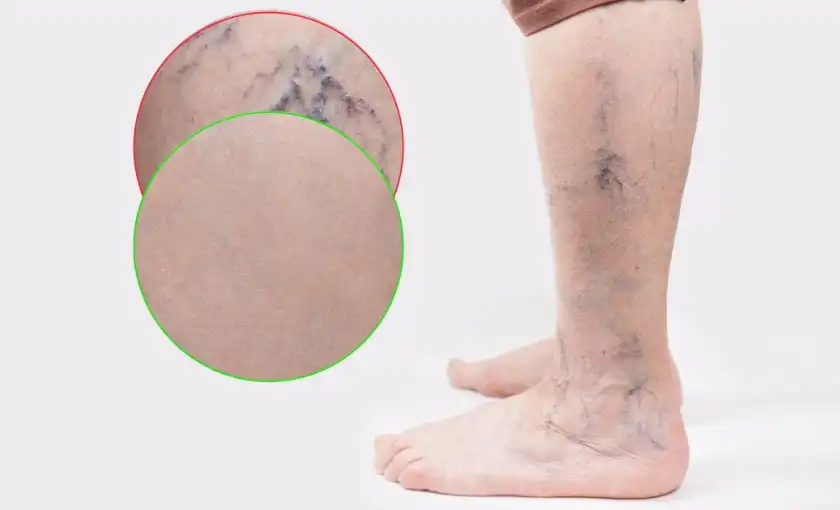
Varicose veins develop when valves inside the veins do not work as effectively as they should, allowing blood to pool in the legs. This increased pressure can contribute to enlarged, twisted veins as well as symptoms such as aching, heaviness, swelling, or itching.
Diet cannot eliminate varicose veins, but healthy eating can support overall cardiovascular health, weight management, and fluid balance. Certain foods may also contribute to issues such as excess sodium intake, weight gain, or constipation, which can make some leg symptoms more noticeable.
If you have varicose veins, the goal is not a highly restrictive diet. Instead, focus on limiting foods that provide little nutritional value while eating more fiber-rich, minimally processed foods.
What Foods Should You Avoid With Varicose Veins?
There is no single food that causes varicose veins, and eliminating a particular food will not make existing veins disappear. However, limiting excess sodium, added sugar, highly processed foods, and foods high in saturated fat can support a healthier overall diet.
Here are six types of foods to consider limiting.
1. High-Sodium and Processed Foods
Eating too much sodium can cause the body to retain additional fluid. For people who already experience leg or ankle swelling, excess sodium may make fluid retention more noticeable.
Common high-sodium foods include:
- Deli meats
- Packaged snacks
- Canned soups
- Frozen meals
- Fast food
- Pizza
- Salty sauces and condiments
The American Heart Association recommends limiting sodium as part of a heart-healthy eating pattern.
Instead, choose more fresh or minimally processed foods and check nutrition labels when buying packaged products.
2. Excess Alcohol
Alcohol can contribute significant calories and may affect hydration and blood pressure when consumed excessively.
If you have a medical condition or take medications that interact with alcohol, follow the recommendations of your healthcare provider.
For everyday hydration, water is generally the simplest choice.
3. Foods High in Saturated Fat
Foods high in saturated fat can be part of an unhealthy dietary pattern when eaten frequently.
Examples include:
- Fatty processed meats
- Sausage
- Bacon
- Butter
- Some fried foods
- Certain high-fat desserts
Instead, consider foods that provide unsaturated fats, such as:
- Fish
- Walnuts
- Flaxseeds
- Avocados
- Olive oil
These foods can be part of a balanced eating pattern that supports cardiovascular health.
4. Foods and Drinks High in Added Sugar
Candy, pastries, sweetened beverages, and other foods high in added sugar can add substantial calories without providing much nutritional value.
Over time, regularly consuming excess calories can contribute to weight gain. Maintaining a healthy weight can help reduce excess pressure on the veins in the legs.
Instead, choose whole fruits such as berries, oranges, apples, and other naturally nutrient-rich foods when you want something sweet.
5. Refined Grains and Low-Fiber Foods
White bread, many baked goods, and other highly refined grain products generally contain less fiber than whole-grain alternatives.
Fiber supports normal digestion and helps prevent constipation. Foods naturally high in fiber include:
- Oats
- Brown rice
- Whole-grain breads
- Beans
- Lentils
- Vegetables
- Fruits
- Nuts and seeds
If constipation is a concern, increasing dietary fiber and adequate fluid intake may help support normal bowel movements.
6. Foods That Contribute to Constipation for You
Dairy products do not need to be universally avoided by people with varicose veins. However, some people notice that particular foods contribute to constipation.
Instead of automatically eliminating dairy, pay attention to your individual diet and make sure you are getting enough:
- Fiber
- Fruits and vegetables
- Whole grains
- Fluids
If constipation is persistent, discuss it with your healthcare provider rather than making major dietary restrictions on your own.
What Foods Are Good for Varicose Veins?
A healthy varicose veins diet should focus more on what you eat regularly than on a long list of prohibited foods.
Good choices include:
High-Fiber Foods
Whole grains, beans, lentils, vegetables, fruits, nuts, and seeds can help you get enough dietary fiber.
Fruits and Vegetables
Berries, citrus fruits, leafy greens, tomatoes, peppers, and other fruits and vegetables provide vitamins, minerals, fiber, and plant compounds as part of a balanced diet.
Potassium-Rich Foods
Foods that provide potassium include:
- Bananas
- Avocados
- Potatoes
- Sweet potatoes
- Beans
- Leafy greens
People with kidney disease or certain medical conditions may need to monitor potassium intake, so follow your healthcare provider's recommendations.
Foods With Healthy Fats
Fish, nuts, seeds, avocados, and olive oil can provide unsaturated fats as part of a heart-healthy dietary pattern.
Water
Adequate hydration supports normal body function and can also help when increasing dietary fiber.
Fluid needs vary, particularly for people with heart, kidney, or other medical conditions. Follow any specific fluid recommendations from your healthcare provider.
What Is the Best Diet for Varicose Veins?
There is no specific medical diet that cures varicose veins.
The best nutrition approach for varicose veins is generally a balanced eating pattern that emphasizes:
- Vegetables
- Fruits
- Whole grains
- Beans and legumes
- Nuts and seeds
- Fish and lean proteins
- Healthy fats
- Adequate fiber
At the same time, limit excessive amounts of:
- Sodium
- Added sugar
- Highly processed foods
- Saturated fat
This type of diet can support general cardiovascular health and healthy weight management, but it does not repair damaged vein valves.
Is There a Special Diet for Venous Insufficiency?
People with chronic venous insufficiency (CVI) do not need a specific “venous insufficiency diet.”
CVI occurs when the veins in the legs have difficulty returning blood toward the heart effectively. Diet alone does not correct the underlying valve dysfunction.
However, a healthy diet may support factors that are important for overall vascular health, including weight management and limiting excessive sodium intake.
People with CVI may also benefit from treatments or lifestyle measures recommended by their healthcare provider, such as regular activity, leg elevation, compression therapy, or minimally invasive vein treatment when appropriate.
Can Diet Prevent Varicose Veins?
You cannot always prevent varicose veins. Genetics, age, pregnancy, occupation, and other factors may contribute to their development.
However, healthy lifestyle habits may help support circulation and reduce some of the factors that place additional pressure on the veins.
These include:
- Staying physically active
- Maintaining a healthy weight
- Avoiding long periods of sitting or standing when possible
- Elevating your legs when appropriate
- Eating a balanced diet
- Limiting excess sodium
Regular exercise and maintaining a healthy weight are among the self-care measures recommended for people with varicose veins.
Can Diet Treat Varicose Veins?
No food or diet can make an established varicose vein disappear.
Diet and lifestyle changes may support overall health and help manage factors that can affect symptoms, but varicose vein treatment may be necessary when veins cause persistent pain, swelling, skin changes, or other complications.
Treatment depends on the veins involved and the severity of the condition. Options available at BASS Vein Center include:
- Conservative Vein Treatment
- Radiofrequency Ablation Therapy
- VenaSeal™ Vein Treatment
- Sclerotherapy
- Ambulatory Phlebectomy
- Endovenous Laser Therapy
A vein specialist can determine whether treatment is needed and which option is appropriate.
What Is Varicose Eczema?
Varicose eczema, also called venous or stasis eczema, is a skin condition that can occur in people with problems affecting blood flow through the veins of the legs.
Symptoms can include dry, itchy, irritated, or discolored skin, often around the lower legs or ankles.
Diet is not a treatment for varicose eczema. Treatment may involve skin care, compression, and management of the underlying venous condition.
If you have varicose veins along with persistent itching, skin discoloration, thickening, or other skin changes, consider having your veins evaluated.
When Should You See a Vein Specialist?
Consider a vein evaluation if varicose veins are accompanied by:
- Persistent aching or throbbing
- Leg heaviness
- Swelling
- Itching
- Skin discoloration
- Changes in the skin around the ankles
- Wounds that are slow to heal
- Symptoms that interfere with everyday activities
Diet and lifestyle changes can support your overall health, but they cannot correct all causes of symptomatic vein disease.
Partner With the Experts at BASS Vein Center
BASS Vein Center evaluates and treats varicose veins, chronic venous insufficiency, spider veins, and other vascular conditions.
Our specialists offer both conservative and minimally invasive treatment options based on each patient's symptoms and vascular evaluation.
Call 925-477-3030 or request a consultation online to discuss your symptoms and treatment options.
Frequently Asked Questions
What foods should I avoid with varicose veins?
Consider limiting foods high in sodium, added sugar, saturated fat, and highly processed ingredients. No individual food causes varicose veins, so the goal is a balanced overall eating pattern rather than a restrictive diet.
What foods should I eat for varicose veins?
Choose foods such as vegetables, fruits, whole grains, beans, nuts, seeds, fish, and other minimally processed foods. These provide fiber and nutrients that support overall cardiovascular health.
Can changing my diet get rid of varicose veins?
No. Dietary changes cannot repair the weakened or damaged valves responsible for established varicose veins. Diet can support general health, while symptomatic varicose veins may require medical treatment.
Is there a diet for chronic venous insufficiency?
There is no specific diet that treats chronic venous insufficiency. A balanced diet, healthy weight, regular activity, and limiting excess sodium may support overall vascular health, but CVI may require additional medical management.
Can certain foods make varicose veins worse?
Foods do not directly cause existing veins to worsen in the same way that damaged vein valves do. However, excessive sodium can contribute to fluid retention, and an overall unhealthy diet can contribute to weight gain and other cardiovascular risk factors.
Note: Coverage varies between insurance plans. Please check with your insurance provider before scheduling. BASS Vein Center will verify your benefits so you understand any out-of-pocket costs ahead of treatment.
Medical Disclaimer: The information provided in this blog is for educational and informational purposes only and is not intended as medical advice, diagnosis, or treatment. BASS Medical Group does not endorse any specific tests, treatments, procedures, or opinions referenced in this content. Individual results may vary. Always consult with your physician or a qualified healthcare provider regarding any medical concerns or before making changes to your health regimen.