Can You Treat Varicose Veins at Home? 4 Remedies That May Help
Can Varicose Veins Be Treated at Home?
Home remedies and self-care can help relieve some symptoms of varicose veins, but they cannot repair the weakened vein valves that cause established varicose veins.
If you are looking for natural treatment for varicose veins, measures such as regular movement, leg elevation, compression therapy, and maintaining a healthy weight may help reduce aching, heaviness, or swelling. Exercise, elevating the legs, and compression are commonly used conservative approaches for managing varicose vein symptoms.
Medical treatment may be appropriate when varicose veins cause persistent symptoms, skin changes, or other complications.
What Are Varicose Veins?
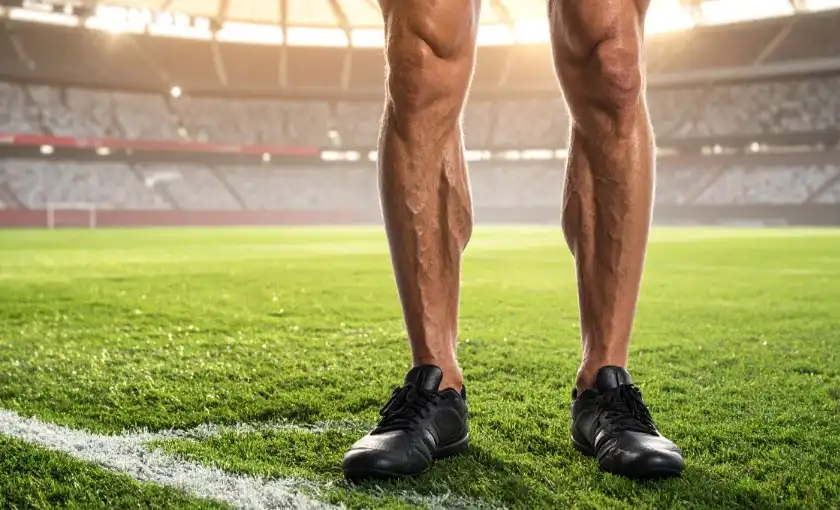
Varicose veins are enlarged, twisted veins that most commonly develop in the legs.
Veins contain one-way valves that help move blood back toward the heart. When these valves weaken or do not close properly, blood can pool in the veins and increase pressure.
Varicose veins may cause:
- Aching or throbbing
- Leg heaviness
- Swelling
- Itching
- Cramping
- Visible or bulging veins
- Skin changes around the lower legs or ankles
Some people have few symptoms, while others develop discomfort that interferes with everyday activities.
What Are the Best Home Remedies for Varicose Veins?
The most useful home remedies for varicose veins focus on managing symptoms and supporting circulation rather than trying to make damaged veins disappear.
1. Exercise and Regular Movement
Regular movement activates the muscles in the legs, particularly the calves, which helps support the return of blood from the legs toward the heart.
Low-impact activities can include:
- Walking
- Cycling
- Swimming
- Gentle stretching
If you spend long periods sitting or standing, taking regular movement breaks can also help reduce prolonged inactivity.
Exercise is one of the self-care measures commonly recommended for people with varicose veins.
2. Compression Stockings
Compression stockings apply graduated pressure to the legs and can help support blood movement through the veins.
For some people with symptomatic varicose veins, compression may help reduce:
- Swelling
- Aching
- Leg heaviness
- Discomfort
Compression stockings come in different sizes and strengths. The appropriate level depends on your symptoms and vascular health, so stronger medical compression should be selected with guidance from a healthcare professional.
Compression can help manage symptoms, but it does not permanently remove an established varicose vein.
3. Elevate Your Legs
Elevating your legs while sitting or lying down can temporarily reduce pressure in the leg veins and may help relieve swelling or heaviness.
When possible, take breaks from prolonged standing or sitting and give your legs time to rest.
Leg elevation is another commonly recommended self-care measure for varicose veins.
4. Maintain a Healthy Weight and Balanced Diet
Maintaining a healthy weight can reduce additional pressure on the veins in the legs.
A balanced diet can also support cardiovascular health and help with weight management. Focus on foods such as:
- Vegetables
- Fruits
- Whole grains
- Beans and legumes
- Nuts and seeds
- Fish and lean proteins
Fiber-rich foods can also support normal digestion, while limiting excessive sodium may help reduce fluid retention in some people.
Diet supports overall health, but no particular food can repair a damaged vein valve or make an established varicose vein disappear.
Can You Get Rid of Varicose Veins Naturally?
You generally cannot get rid of established varicose veins naturally.
Natural remedies and lifestyle changes may improve symptoms, but they do not permanently close or remove veins with damaged valves.
If you search for ways to get rid of varicose veins naturally, it is important to distinguish between reducing symptoms and actually treating the abnormal vein.
Self-care may help with:
- Aching
- Swelling
- Heaviness
- Leg fatigue
But medical procedures may be needed to close or remove symptomatic varicose veins.
Can You Get Rid of Varicose Veins Naturally in 3 Minutes?
No proven home remedy can eliminate varicose veins in three minutes.
Claims that massage, vinegar, creams, oils, or other quick home remedies can permanently erase varicose veins should be treated cautiously.
Temporary changes in swelling or skin appearance are not the same as repairing the damaged valves responsible for the vein.
Does Apple Cider Vinegar Help Varicose Veins?
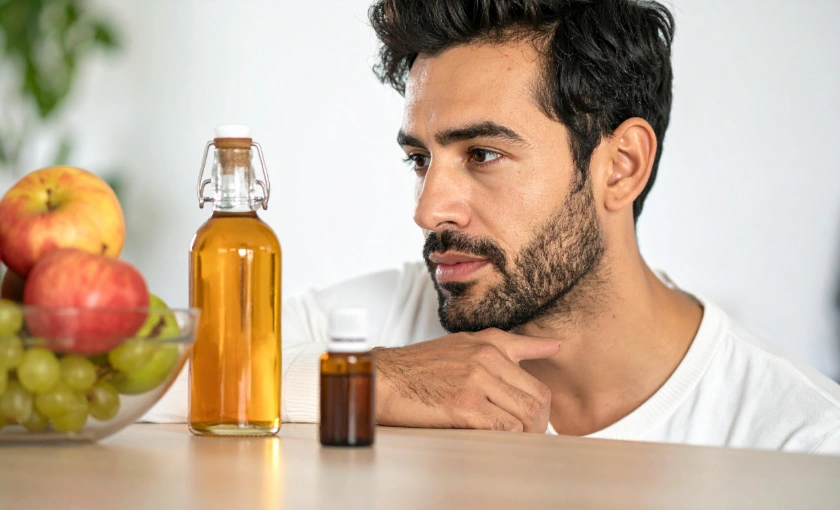
Apple cider vinegar is one of the most popular home remedies for varicose veins, particularly for people looking for ways to treat varicose veins naturally.
You may see claims that applying apple cider vinegar to varicose veins on the legs can improve circulation, shrink visible veins, or even cure varicose veins. However, apple cider vinegar cannot repair the weakened vein valves that cause varicose veins or make an established varicose vein disappear.
One small study evaluated external apple vinegar application alongside conventional treatment and found improvement in some symptoms, but the vinegar was used together with physician-recommended care and leg elevation. The study does not establish apple cider vinegar as a cure for varicose veins.
Can Apple Cider Vinegar Get Rid of Varicose Veins?
No. There is not good evidence that apple cider vinegar can permanently remove varicose veins.
Varicose veins develop because valves inside the veins become weakened or damaged. Applying vinegar to the skin does not repair those valves or close the abnormal vein.
If apple cider vinegar seems to temporarily change how your legs feel, that should not be confused with treating the underlying venous condition.
Can You Cure Varicose Veins With Vinegar?
Despite online claims, there is no proven way to cure varicose veins with apple cider vinegar.
Established varicose veins may require medical treatment when they cause persistent pain, swelling, heaviness, skin changes, or other complications.
Is It Safe to Put Apple Cider Vinegar on Varicose Veins?
Apple cider vinegar is acidic and may irritate sensitive or damaged skin. It should not be applied to open wounds, venous ulcers, or irritated skin.
If you have skin changes, wounds, or significant swelling around varicose veins, have the area evaluated rather than applying home remedies.
What Is the Best Natural Treatment for Varicose Veins?
There is no single natural treatment that cures varicose veins.
The most practical varicose vein self-care approach combines several habits:
- Stay physically active
- Avoid prolonged periods of inactivity
- Elevate your legs when appropriate
- Maintain a healthy weight
- Use compression if recommended
- Pay attention to worsening symptoms
These measures may help control discomfort, but persistent symptoms should be evaluated by a healthcare professional.
What About Ayurvedic Remedies for Varicose Veins?
Some people explore Ayurvedic medicine or other complementary approaches for varicose vein symptoms.
However, evidence for Ayurvedic treatments varies, and they should not be used as a replacement for evaluation or established treatment of symptomatic vein disease. Some Ayurvedic preparations may also contain ingredients that pose safety concerns or interact with medications. The National Center for Complementary and Integrative Health advises caution with Ayurvedic products because some preparations have contained potentially harmful metals.
If you are interested in complementary approaches, discuss them with your healthcare provider and read our related article on Ayurvedic approaches to varicose veins.
Can You Treat Spider Veins Naturally at Home?
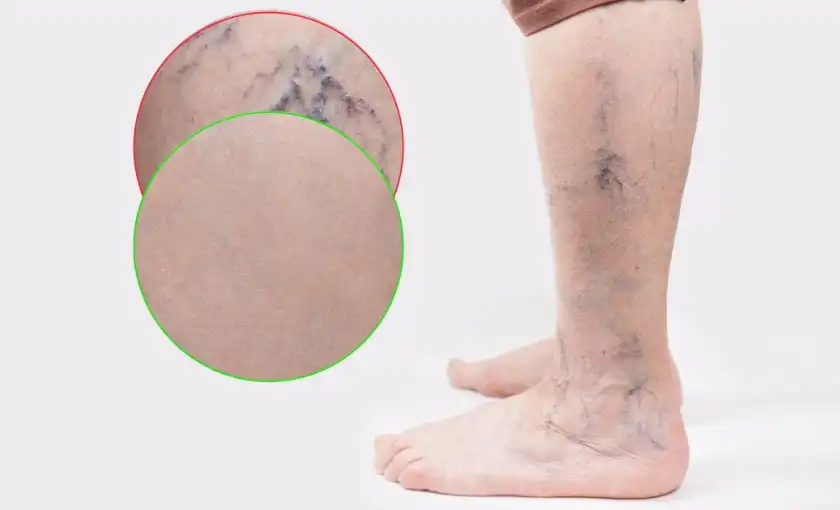
Spider veins are smaller visible blood vessels that often appear red, blue, or purple near the surface of the skin.
As with varicose veins, home remedies for spider veins do not reliably make established vessels disappear.
Exercise, healthy weight management, and other lifestyle measures can support overall vascular health, but people seeking removal of visible spider veins may need medical or cosmetic treatment.
Sclerotherapy, for example, is commonly used to treat certain spider and small varicose veins.
What Is the Best Treatment for Varicose Veins?
The best treatment depends on:
- Which veins are affected
- The size and location of the veins
- Your symptoms
- Whether underlying venous insufficiency is present
- Your overall vascular health
Some people need only conservative symptom management.
For others, minimally invasive treatment may be appropriate.
Options available at BASS Vein Center include:
- Conservative Vein Treatment
- Radiofrequency Ablation
- VenaSeal™ Vein Treatment
- Sclerotherapy
- Ambulatory Phlebectomy
- Endovenous Laser Therapy (EVLT)
Medical procedures can close or remove problematic veins so blood is redirected through healthier veins.
When Should You See a Vein Specialist?
Consider having your veins evaluated if you experience:
- Persistent leg pain or aching
- Increasing swelling
- Leg heaviness
- Bulging varicose veins
- Itching or skin irritation
- Skin discoloration around the ankles
- Worsening symptoms despite self-care
- An open or slow-healing wound
Varicose veins are not always medically serious, but persistent symptoms or skin changes may indicate underlying venous disease.
Varicose Vein Treatment at BASS Vein Center
Home remedies can help manage some varicose vein symptoms, but they cannot correct every underlying vein problem.
If aching, swelling, heaviness, or visible veins continue despite self-care, the specialists at BASS Vein Center can evaluate whether chronic venous insufficiency or another vascular condition is contributing.
Request a consultation or call 925-477-3030 to discuss your symptoms and treatment options.
Frequently Asked Questions
What are the best home remedies for varicose veins?
Regular movement, leg elevation, maintaining a healthy weight, and appropriate compression therapy may help manage symptoms such as swelling, aching, and heaviness. These measures do not permanently remove established varicose veins.
Can varicose veins go away naturally?
Established varicose veins generally do not disappear on their own. Lifestyle measures can reduce symptoms, while medical treatment may be needed to close or remove problematic veins.
How can I get rid of varicose veins naturally?
There is no proven natural remedy that permanently removes established varicose veins. Exercise, elevation, healthy weight management, and compression may help control symptoms.
Can you get rid of varicose veins naturally in 3 minutes?
No. There is no proven three-minute treatment, massage, food, drink, or topical home remedy that repairs damaged vein valves or permanently removes varicose veins.
Do natural remedies for varicose veins work?
Natural self-care measures may improve comfort and reduce some symptoms, but they should not be expected to eliminate an established varicose vein.
What is the best treatment for varicose veins?
Treatment depends on the underlying vein problem and your symptoms. Options range from conservative care and compression to minimally invasive treatments such as ablation, VenaSeal™, sclerotherapy, and ambulatory phlebectomy.
Are there home remedies for spider veins?
Lifestyle measures can support general vascular health but generally do not remove established spider veins. Treatments such as sclerotherapy may be appropriate for people seeking to reduce visible spider veins.
Note: Coverage varies between insurance plans. Please check with your insurance provider before scheduling. BASS Vein Center will verify your benefits so you understand any out-of-pocket costs ahead of treatment.
Medical Disclaimer: The information provided in this blog is for educational and informational purposes only and is not intended as medical advice, diagnosis, or treatment. BASS Medical Group does not endorse any specific tests, treatments, procedures, or opinions referenced in this content. Individual results may vary. Always consult with your physician or a qualified healthcare provider regarding any medical concerns or before making changes to your health regimen.