What Is Peripheral Artery Disease (PAD)? Symptoms, Risks, and Treatment Options
Peripheral Artery Disease (PAD) is a common but serious circulatory condition that occurs when arteries supplying blood to the legs become narrowed or blocked. This reduced blood flow can cause leg pain, numbness, poor wound healing, and in severe cases, limb-threatening complications. PAD is most often caused by atherosclerosis, the buildup of plaque inside the arteries, and is closely linked to conditions such as diabetes, smoking, high blood pressure, and high cholesterol.
How Peripheral Artery Disease Affects Blood Flow
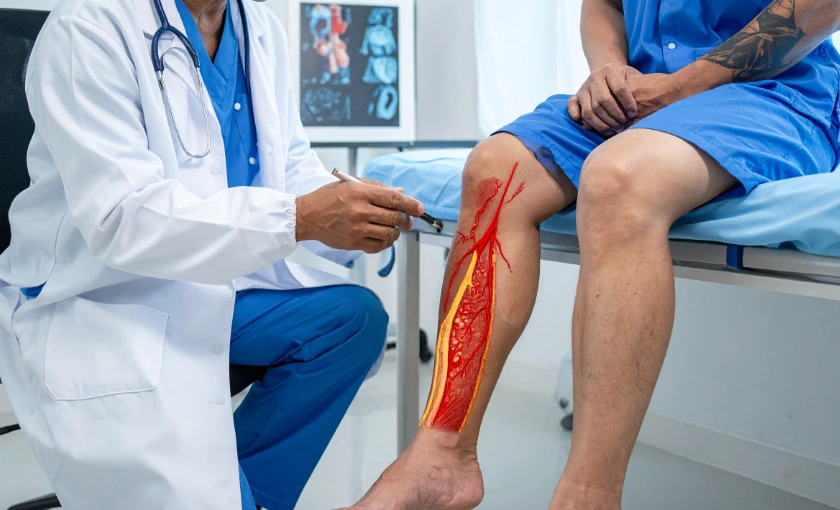
PAD develops when plaque builds up inside the arteries, restricting blood flow to the legs and feet. Over time, reduced circulation deprives tissues of oxygen and nutrients, leading to pain, weakness, and delayed healing. As PAD progresses, symptoms can worsen from mild discomfort during walking to chronic pain at rest or tissue damage.
Common Symptoms of Peripheral Artery Disease
PAD symptoms often appear gradually and may be overlooked in early stages. Common signs include:
- Leg pain, cramping, or fatigue during walking that improves with rest (intermittent claudication)
- Coldness in the lower leg or foot
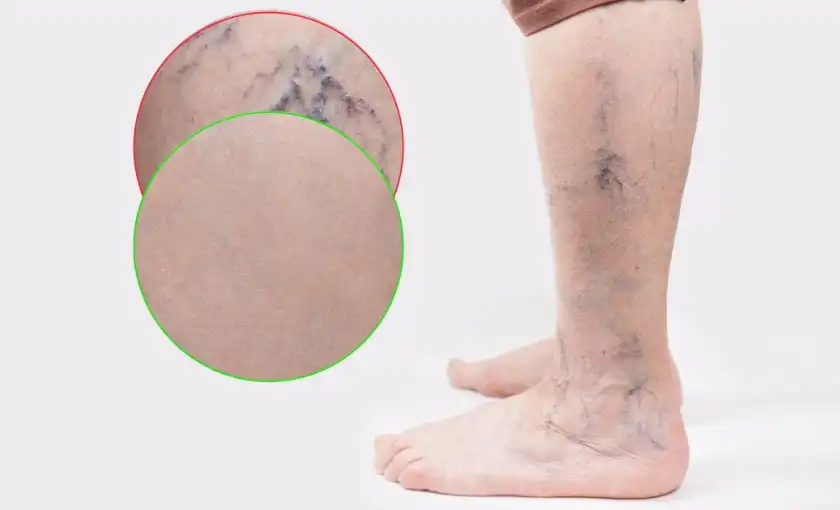
- Skin discoloration or shiny skin on the legs
- Slow-healing sores or ulcers on the feet or legs
- Hair loss on the legs or feet
- Erectile dysfunction in men
In advanced cases, PAD can lead to non-healing wounds, infections, or critical limb ischemia.
Risk Factors That Increase PAD Risk
Several factors significantly increase the likelihood of developing PAD, including:
- Smoking (current or former)
- Diabetes
- High blood pressure
- High cholesterol
- Obesity
- Sedentary lifestyle
- Age over 50
- Family history of cardiovascular disease
Diabetes and smoking are particularly high-risk, as they directly damage blood vessels and impair circulation, increasing the risk of ulcers and limb complications.
How Peripheral Artery Disease Is Diagnosed
Diagnosis begins with a comprehensive medical history and physical examination, including evaluation of leg pulses and skin changes. Common diagnostic tools include:
- Ankle-Brachial Index (ABI): Compares blood pressure in the ankle and arm to assess circulation
- Vascular ultrasound: Evaluates blood flow and identifies blockages
- CT angiography or MR angiography: Provides detailed imaging of arterial narrowing or obstruction
Early diagnosis is critical for preventing disease progression and serious complications.
Treatment Options for Peripheral Artery Disease
Treatment for PAD focuses on improving blood flow, reducing symptoms, and lowering cardiovascular risk.
Lifestyle and Medical Management
- Smoking cessation
- Structured walking or supervised exercise therapy
- Heart-healthy diet and weight management
- Blood sugar control for diabetic patients
- Medications to prevent blood clots, lower cholesterol, and manage blood pressure
Minimally Invasive and Surgical Treatments
For patients with more advanced PAD or persistent symptoms:
- Angioplasty and stenting to open narrowed arteries
- Bypass surgery to reroute blood flow around severe blockages
Treatment selection depends on disease severity, anatomy, and overall health.
Why PAD Requires Specialized Vascular Care
PAD is an arterial condition, but it is often evaluated alongside venous disease—especially in patients with leg pain, swelling, wounds, or diabetes. Accurate diagnosis is essential to ensure arterial disease is not mistaken for vein-related conditions.
At BASS Vein Center, patients receive comprehensive vascular evaluation using advanced diagnostic imaging and individualized treatment planning to address both arterial and venous circulation concerns.
When to Seek Medical Evaluation for PAD
You should seek evaluation if you experience:
- Leg pain with walking
- Slow-healing foot or leg wounds
- Skin discoloration or temperature changes
- Numbness or weakness in the legs
Early intervention can significantly improve circulation, protect limb health, and reduce the risk of serious cardiovascular events.
Note: Coverage varies between insurance plans. Please check with your insurance provider before scheduling. BASS Vein Center will verify your benefits so you understand any out-of-pocket costs ahead of treatment.
Medical Disclaimer: The information provided in this blog is for educational and informational purposes only and is not intended as medical advice, diagnosis, or treatment. BASS Medical Group does not endorse any specific tests, treatments, procedures, or opinions referenced in this content. Individual results may vary. Always consult with your physician or a qualified healthcare provider regarding any medical concerns or before making changes to your health regimen.