.webp)
Why Are My Veins So Visible? Causes & When to Worry
Why Can I See My Veins?
Visible veins are often completely normal. Veins may become easier to see because of genetics, skin tone, age, body composition, exercise, heat, or hormonal changes.
Some people naturally have more noticeable veins in their hands, arms, or legs because the veins sit closer to the surface of the skin. Lower body fat and thinner skin can also make veins appear more prominent.
However, veins that suddenly become enlarged, bulging, painful, or are accompanied by swelling or skin changes may indicate an underlying vein condition.
What Causes Veins to Become More Visible?
Several common factors can make veins appear darker, larger, or easier to see.
Lower Body Fat or Muscle Definition
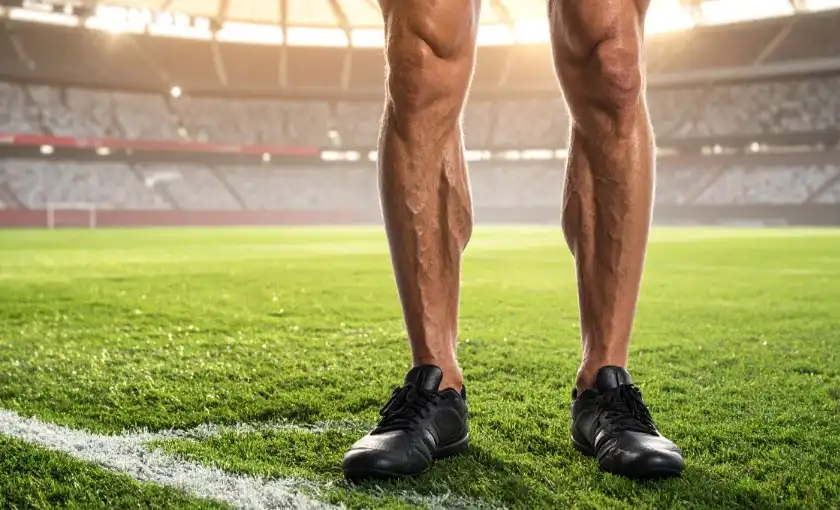
Athletes and people with lower body fat often have more visible veins because there is less tissue between the veins and the surface of the skin.
Exercise can also temporarily make veins more prominent as blood flow increases and working muscles place greater demand on the circulatory system.
Aging and Skin Changes
As you age, the skin becomes thinner and loses some of its elasticity. Changes in collagen and the layer of tissue beneath the skin can make superficial veins easier to see.
Heat
Warm temperatures can cause blood vessels near the skin to widen, which may temporarily make veins appear more prominent.
Genetics
Some people naturally have more visible veins because of inherited differences in skin thickness, vein location, and body composition.
Hormonal Changes
Pregnancy, hormonal fluctuations, and some medications can affect blood vessels and circulation. During pregnancy, increased blood volume and pressure on the veins can make veins in the legs more noticeable.
Prolonged Sitting or Standing
Sitting or standing for long periods can increase pressure in the veins of the legs. Over time, this may contribute to swelling, visible veins, or the development of varicose veins in some people.
Why Are My Veins Suddenly More Visible?
A sudden increase in vein visibility does not always mean something is wrong.
Veins may temporarily become more noticeable after:
- Exercise
- Exposure to heat
- Changes in body composition
- Weight loss
- Hormonal changes
- Pregnancy
- Changes in skin thickness with age
A sudden change deserves more attention if veins become enlarged, twisted, painful, or appear alongside swelling, heaviness, itching, or skin discoloration.
Why Are the Veins in My Hands So Visible?
Visible or veiny hands are common, especially in people who are active, have lower body fat, or have naturally thin skin.
The veins in the hands are located relatively close to the skin, so they may become more noticeable with age, exercise, heat, or changes in body composition.
If a hand vein suddenly becomes swollen, painful, hard, or significantly different from surrounding veins, it should be evaluated by a healthcare professional.
Why Are My Veins So Visible on My Arms?
Visible veins in the arms are also common and are often related to exercise, muscle development, lower body fat, genetics, or heat.
Veiny arms may become particularly noticeable during or shortly after exercise because increased blood flow can temporarily make superficial veins stand out.
Visible arm veins alone are usually not a sign of vein disease. New pain, swelling, redness, or other unusual symptoms should be evaluated.
Why Do My Veins Look Blue?
Veins near the surface of the skin may appear blue, green, or purple depending on skin tone, lighting, and how light passes through the skin.
Seeing blue veins does not mean the blood inside them is blue. Blood remains red, but superficial veins can look blue because of the way light is absorbed and reflected through the skin.
If the skin itself becomes blue or discolored rather than simply showing visible blue veins underneath, that is different and may require medical evaluation.
Does Hydration Make Your Veins More Visible?
Hydration can affect fluid balance in the body, but visible veins are not a reliable way to determine whether someone is hydrated or dehydrated.
Many factors influence how noticeable veins appear, including:
- Heat
- Exercise
- Skin thickness
- Genetics
- Body composition
- Hormonal changes
- The location of superficial veins
Do Veins Pop Out When You Are Dehydrated?
Dehydration can affect fluid balance and circulation, but it does not always make veins more visible. Some people may notice changes in vein appearance during dehydration, while others may not.
Vein visibility alone should not be used as a sign of dehydration.
Does Drinking Water Make Your Veins More Visible?
Drinking water does not reliably make veins more or less visible. Hydration supports normal circulation, but the appearance of veins is influenced by many other factors.
Why Are the Veins in My Legs So Visible?
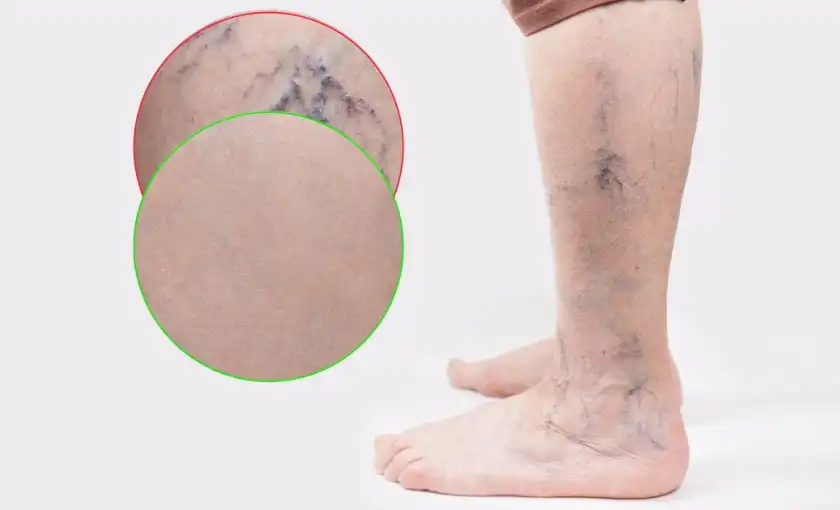
Visible veins in the legs may be normal, especially if they are small, flat, and do not cause symptoms.
However, veins that become enlarged, twisted, rope-like, or bulging may be varicose veins.
Visible veins in the legs may also be associated with spider veins or chronic venous insufficiency, particularly when accompanied by:
- Aching or throbbing
- Leg heaviness
- Swelling around the ankles
- Itching
- Skin discoloration
- Changes in skin texture
Are Visible Veins a Health Risk?
Visible veins alone are usually not a health problem.
The concern is less about whether veins can be seen and more about whether they are enlarged, painful, or associated with other symptoms.
Visible veins may need evaluation when they occur with:
- Persistent pain or aching
- Leg heaviness
- Swelling
- Itching or skin irritation
- Skin discoloration
- Bulging or rope-like veins
- Slow-healing wounds around the lower legs or ankles
These symptoms may indicate an underlying vein condition rather than normal vein visibility.
When Visible Veins Could Signal a Vein Problem
Visible veins may be related to venous disease when the valves inside the veins are not moving blood back toward the heart effectively.
This can lead to blood pooling in the legs and may contribute to conditions such as varicose veins or chronic venous insufficiency.
Warning signs include:
- Bulging blue or purple veins
- Aching or throbbing legs
- Leg heaviness
- Swelling around the ankles
- Itching
- Skin discoloration
- Changes around the lower legs or ankles
If visible veins are accompanied by these symptoms, a vein evaluation can help determine the underlying cause.
How Can I Manage Visible Veins?
If visible veins are not caused by an underlying medical condition, treatment may not be necessary.
General steps that support healthy circulation include:
Exercise Regularly
Walking, cycling, swimming, and other forms of regular movement help activate the calf muscles and support blood flow through the legs.
Learn more about how strengthening your calves may support healthy circulation.
Avoid Prolonged Sitting or Standing
Take regular breaks to walk, stretch, or change positions, especially if your job requires long periods of sitting or standing.
Maintain a Healthy Lifestyle
Regular activity, a balanced diet, and managing conditions that affect circulation can support overall vascular health.
Consider Compression When Recommended
Compression stockings may help some people with swelling, discomfort, or venous disease. The appropriate type and level of compression depend on the individual and should be discussed with a healthcare professional.
How Are Visible or Bulging Veins Treated?
Treatment depends on the type of vein, the symptoms, and whether an underlying vein condition is present.
BASS Vein Center offers minimally invasive treatment options for varicose and spider veins, including:
The appropriate treatment depends on the size and location of the affected veins, symptoms, and results of a vascular evaluation.
When Should I See a Vein Specialist?
Consider scheduling an evaluation if your veins:
- Suddenly become much more visible or begin to bulge
- Cause aching, heaviness, or throbbing
- Are accompanied by swelling
- Cause itching or skin irritation
- Appear with skin discoloration
- Continue to worsen over time
At BASS Vein Center, our specialists evaluate varicose veins, spider veins, chronic venous insufficiency, and other vascular conditions to determine whether treatment is necessary.
Schedule a consultation to learn what may be causing your visible veins and which treatment options may be appropriate.
Frequently Asked Questions
Can visible veins go away on their own?
Sometimes. Veins that become more noticeable because of heat, exercise, or temporary changes in circulation may become less visible again. Varicose veins or veins affected by chronic venous insufficiency generally do not disappear on their own.
Are visible veins the same as varicose veins?
No. Many visible veins are normal superficial veins. Varicose veins are enlarged, twisted veins that commonly develop in the legs because of problems with the valves that help move blood toward the heart.
Why are my veins more visible after exercise?
Exercise increases blood flow to working muscles and can temporarily make superficial veins appear larger or more noticeable. This is particularly common in the arms, hands, and legs.
Note: Coverage varies between insurance plans. Please check with your insurance provider before scheduling. BASS Vein Center will verify your benefits so you understand any out-of-pocket costs ahead of treatment.
Medical Disclaimer: The information provided in this blog is for educational and informational purposes only and is not intended as medical advice, diagnosis, or treatment. BASS Medical Group does not endorse any specific tests, treatments, procedures, or opinions referenced in this content. Individual results may vary. Always consult with your physician or a qualified healthcare provider regarding any medical concerns or before making changes to your health regimen.