Varicose Vein Treatment Guide
Understanding varicose vein symptoms, diagnosis, treatment options, and how to choose the right approach
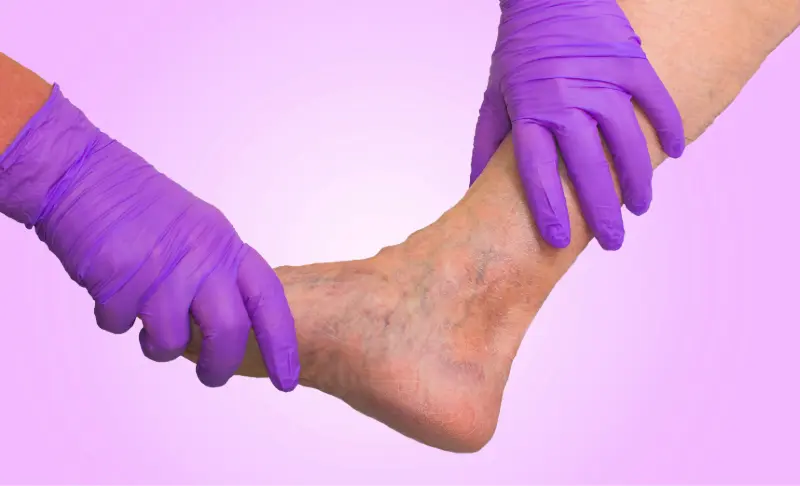
Varicose veins are enlarged, twisted veins that most commonly develop in the legs when valves inside the veins stop working properly. For some people, they are mainly a cosmetic concern. For others, varicose veins can cause aching, heaviness, swelling, itching, cramping, or skin changes.
There are several ways to treat varicose veins, ranging from lifestyle measures and compression therapy to minimally invasive procedures that close or remove abnormal veins.
This guide explains the available varicose vein treatment options, how physicians determine which treatment is appropriate, and what patients can expect before and after treatment.
What Causes Varicose Veins?
Varicose veins develop when valves inside the leg veins weaken or fail to close properly. This allows blood to flow backward and pool within the vein, a condition known as venous reflux.
The increased pressure can cause superficial veins to enlarge and become twisted or bulging.
Factors associated with a higher likelihood of developing varicose veins include:

Age
Vein walls and valves can become less effective with age, increasing the likelihood of venous reflux.

Family History
Having close family members with varicose veins can increase your risk.

Pregnancy
Pregnancy increases blood volume and pressure on veins in the lower body. Hormonal changes may also affect vein walls.

Prolonged Sitting or Standing
Long periods without regular leg movement can make it more difficult for blood to return from the legs toward the heart.

Excess Weight
Additional pressure on the veins of the legs may contribute to venous symptoms and varicose veins.

Previous Vein Problems
A history of blood clots or other venous conditions can damage veins and contribute to chronic venous disease.
Varicose veins can also occur alongside chronic venous insufficiency, in which the veins have difficulty efficiently returning blood from the legs.
What Are the Symptoms of Varicose Veins?
Varicose veins do not always cause symptoms.
When symptoms occur, they may include:
- Aching or throbbing
- Leg heaviness
- Swelling
- Burning or itching
- Leg fatigue
- Cramping
- Tenderness
- Visible bulging veins
- Skin discoloration around the lower leg or ankle
Persistent symptoms or changes in the skin may warrant a vascular evaluation.
How Are Varicose Veins Diagnosed?

Evaluation usually begins with a medical history and physical examination.
Your physician may examine the legs while you are sitting or standing and ask about symptoms such as swelling, aching, heaviness, or changes that occur throughout the day.
Duplex Ultrasound
A duplex ultrasound is commonly used when underlying venous reflux is suspected.
Ultrasound can help:
- Evaluate blood flow
- Identify venous reflux
- Locate abnormal veins
- Assess vein anatomy
- Detect certain blood clots or other abnormalities
These findings help determine which varicose vein treatment may be appropriate.
More advanced imaging is generally not needed for routine varicose vein evaluation.
What Are the Varicose Vein Treatment Options?
Modern varicose vein treatments include conservative therapy, injection treatments, thermal ablation, adhesive closure, and removal of certain surface veins.
Compression Therapy
Compression therapy uses specially designed stockings to apply graduated pressure to the legs.
Compression may help reduce:
- Swelling
- Aching
- Heaviness
- Leg fatigue
Compression can help manage symptoms, but it does not repair damaged vein valves or permanently remove established varicose veins.
Activity and Leg Elevation
Regular walking activates the calf muscles and helps support blood return from the legs.
Avoiding prolonged inactivity and elevating the legs when appropriate may also help reduce heaviness or swelling.
Weight Management
Maintaining a healthy weight may reduce additional pressure on the veins of the lower extremities and support overall cardiovascular health.
These measures can help manage symptoms but generally do not make established varicose veins disappear.
Minimally Invasive Varicose Vein Treatments
For patients with symptomatic venous reflux, minimally invasive procedures may be used to close or remove abnormal veins.
Radiofrequency Ablation
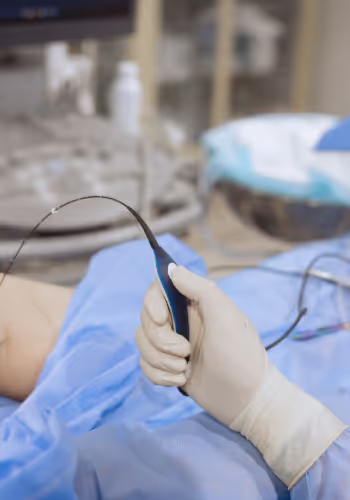
Radiofrequency ablation (RFA) uses controlled thermal energy delivered through a catheter to close an abnormal refluxing vein.
Once the vein is closed, blood is redirected through other functioning veins.
Endovenous Laser Treatment
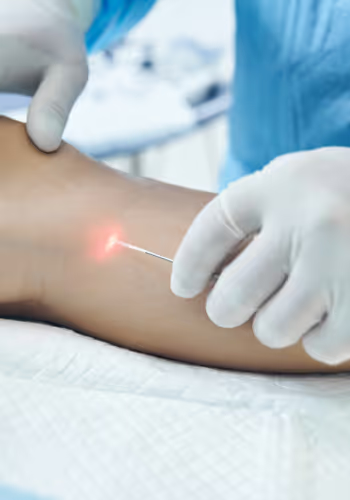
Endovenous laser treatment (EVLT) uses laser energy delivered through a catheter to close a refluxing vein.
Like RFA, it is performed using image guidance and typically does not require traditional open vein surgery.
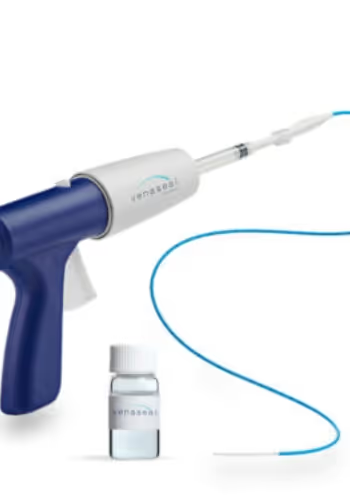
VenaSeal™
VenaSeal™ uses a medical adhesive to close an abnormal vein.
Because VenaSeal does not rely on thermal energy, it may be an option for certain patients depending on vein anatomy and clinical findings.
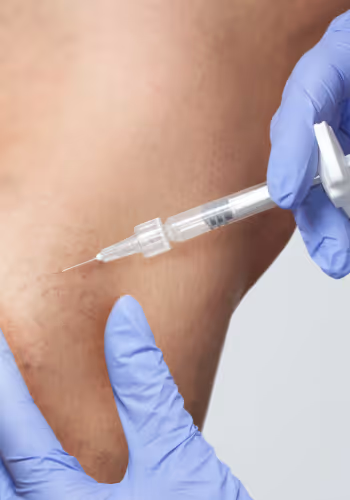
Sclerotherapy
Sclerotherapy involves injecting a solution into an abnormal vein, causing it to close.
It is commonly used for spider veins and smaller varicose veins and may also be incorporated into a broader treatment plan.
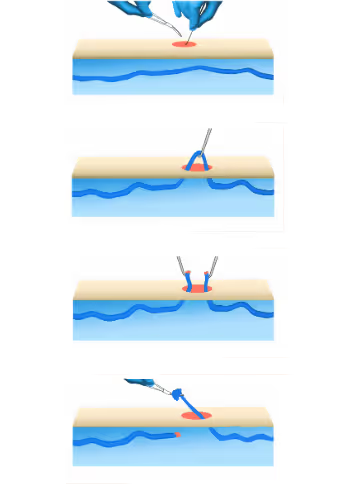
Ambulatory Phlebectomy
Ambulatory phlebectomy removes visible surface varicose veins through very small openings in the skin.
It may be used for larger bulging veins that are not best suited to injection treatment alone.
Varicose Vein Treatment Comparison
The appropriate procedure depends on your ultrasound findings and individual vein anatomy.
How Do Doctors Choose a Varicose Vein Treatment?
Treatment is based on the underlying cause rather than simply how the veins look.
For example, a patient with a visible bulging vein may also have reflux in a larger vein beneath the surface. Treating only the visible vein may not address the source of the problem.
A vein specialist may consider:
- Your symptoms
- Physical examination findings
- Duplex ultrasound results
- Which veins have reflux
- Size and location of visible veins
- Previous treatment
- Your overall health and treatment goals
Some patients may require more than one type of treatment.
How Can You Get Rid of Varicose Veins?
Lifestyle measures can help reduce symptoms, but established varicose veins generally do not disappear simply through exercise, diet, creams, or home remedies.
To get rid of varicose veins, a physician may recommend closing the abnormal vein or removing certain surface veins.
Depending on the condition, treatment may include:
- Radiofrequency ablation
- Endovenous laser treatment
- VenaSeal
- Sclerotherapy
- Ambulatory phlebectomy
Once a problematic vein is closed, blood is redirected through other functioning veins.
Can Varicose Veins Be Cured?
Treatment can successfully close or remove individual abnormal veins, but it is better to think of varicose veins as a condition that can be treated and managed rather than permanently cured.
Treating an existing vein does not guarantee that another varicose vein will never develop in the future.
Age, genetics, pregnancy, underlying venous disease, and other risk factors can contribute to the development of new veins over time.
What Is Varicose Vein Repair?
Patients sometimes search for varicose vein repair, but modern treatment generally does not repair the damaged valve inside an established varicose vein.
Instead, most procedures are designed to:
- Close an abnormal vein
- Remove a problematic surface vein
- Redirect blood through functioning veins
- Reduce symptoms associated with venous reflux
Your physician can explain which approach best matches the source of your vein problem.
Are Surgical Procedures Ever Needed?
Traditional surgical ligation and vein stripping are used much less frequently than in the past because many patients can be treated with minimally invasive techniques.
Surgery may still be considered when vein anatomy or other clinical circumstances make endovenous treatment inappropriate.
Your physician will determine whether surgical treatment is necessary.
What Is Recovery Like After Varicose Vein Treatment?
%20(1).avif)
Recovery depends on the treatment performed and the number and location of veins treated.
After many minimally invasive vein procedures, patients can return to routine activities relatively quickly.
Temporary symptoms may include:
- Bruising
- Tenderness
- Mild swelling
- Tightness
- Soreness around the treatment area
Your physician may provide instructions regarding:
- Walking
- Compression
- Exercise
- Wound or catheter-site care
- Follow-up visits
Follow the recovery instructions provided by your treating specialist.
Who Treats Varicose Veins?

Varicose veins may be evaluated and treated by physicians with specialized training in vascular and venous disease.
At BASS Vein Center, vein specialists evaluate venous conditions using physical examination and vascular imaging to determine whether conservative care or procedural treatment is appropriate.
When Should You Seek Evalution By a Vein Specialist?
Consider scheduling a vein evaluation if you have:
- Painful or aching varicose veins
- Persistent leg swelling
- Leg heaviness or fatigue
- Increasingly prominent bulging veins
- Itching or irritation around veins
- Skin discoloration around the ankles
- Recurrent inflammation
- An open or slow-healing wound
- Symptoms that interfere with normal activities
You can also schedule an evaluation if you are concerned about visible veins and want to understand your treatment options.
Frequently Asked Questions
What is the best treatment for varicose veins?
The best treatment depends on which veins are affected, whether venous reflux is present, your symptoms, and your ultrasound findings. Options may include compression, radiofrequency ablation, laser treatment, VenaSeal, sclerotherapy, or ambulatory phlebectomy.
Can you get rid of varicose veins?
Established varicose veins generally do not disappear on their own. Medical treatment can close or remove problematic veins when appropriate.
Can varicose veins go away without treatment?
Visible varicose veins typically remain present without treatment, although symptoms may improve or worsen over time.
Is there a cure for varicose veins?
Individual varicose veins can be successfully treated, but new veins can develop later. For this reason, varicose veins are generally considered treatable rather than permanently curable.
Is compression therapy enough for varicose veins?
Compression stockings may help relieve swelling, aching, and heaviness but do not repair damaged vein valves. Whether additional treatment is appropriate depends on symptoms and ultrasound findings.
What medical treatments are available for varicose veins?
Medical treatment options include sclerotherapy, radiofrequency ablation, endovenous laser therapy, VenaSeal, ambulatory phlebectomy, and, less commonly, surgical procedures.
Are varicose vein treatments covered by insurance?
Coverage varies by insurance plan and commonly depends on factors such as symptoms, medical necessity, ultrasound findings, and plan requirements. Cosmetic treatment may not be covered.