Best Foods to Improve Blood Circulation and Support Healthy Veins
How Diet Impacts Circulation
A balanced diet can support cardiovascular health and normal blood vessel function, although no single food can treat poor circulation or vein disease.
Foods rich in vegetables, fruits, whole grains, healthy fats, and lean proteins can support healthy blood pressure, blood vessels, and overall circulation. For people concerned about blood flow in the legs, diet is only one part of the picture. Regular movement, managing underlying health conditions, and seeking medical care for persistent symptoms are also important.
If you have leg swelling, heaviness, aching, skin changes, or varicose veins, these symptoms may be related to an underlying vascular condition rather than diet alone.
What Foods Help Improve Blood Circulation?
Foods that support healthy blood circulation include leafy greens, beets, fatty fish, berries, citrus fruits, nuts, seeds, tomatoes, and other nutrient-rich foods.
Rather than relying on one specific food to increase blood flow, focus on an overall eating pattern that supports cardiovascular and vascular health.
Here are some of the best foods to include.
1. Leafy Greens
Spinach, kale, Swiss chard, and other leafy green vegetables provide vitamins, minerals, antioxidants, and dietary nitrates that support cardiovascular health and normal blood vessel function.
Leafy greens are also a good source of folate and other nutrients that make them a useful part of a heart-healthy diet.
2. Fatty Fish
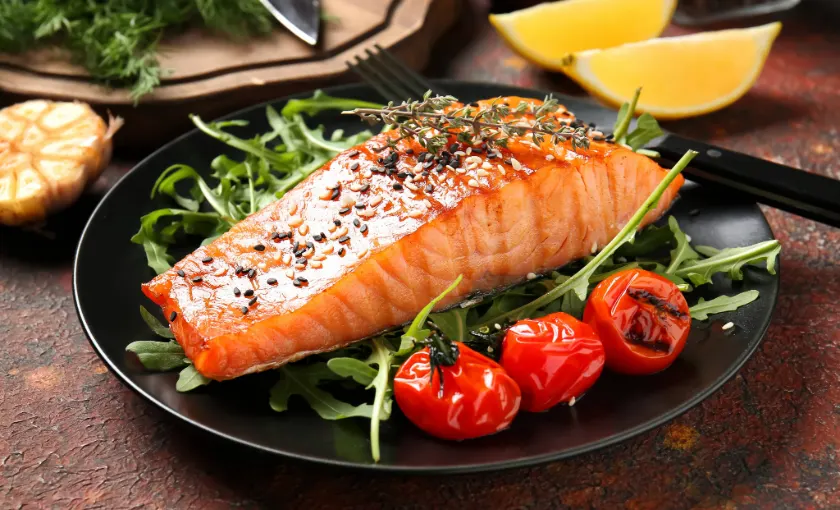
Salmon, sardines, mackerel, trout, and other fatty fish provide omega-3 fatty acids.
Omega-3 fats support cardiovascular health and are an important part of a balanced eating pattern. Try choosing fish in place of highly processed or high-saturated-fat foods when possible.
3. Garlic
Garlic can add flavor without adding large amounts of sodium and contains plant compounds that have been studied for their cardiovascular effects.
Rather than relying on garlic as a treatment for poor circulation, use it as part of an overall balanced diet.
4. Turmeric
Turmeric contains curcumin, a compound that has been studied for its antioxidant and anti-inflammatory properties.
Turmeric can be incorporated into cooking as a spice, but it should not be considered a treatment for poor circulation or vascular disease.
5. Citrus Fruits
Oranges, lemons, grapefruit, and other citrus fruits provide vitamin C and antioxidants that support normal connective tissue and overall cardiovascular health.
Citrus fruits can be an easy way to add more fruit to a heart-healthy diet.
6. Ginger
Ginger contains naturally occurring compounds that have been studied for several potential health effects.
Fresh or dried ginger can be added to meals, tea, soups, and stir-fries as part of a balanced diet.
7. Dark Chocolate
Dark chocolate contains plant compounds called flavanols.
If you enjoy chocolate, choose varieties with a higher cocoa content and keep portions moderate because chocolate can also contain significant amounts of calories, sugar, and saturated fat.
8. Berries
Blueberries, strawberries, raspberries, and blackberries provide fiber, vitamins, and antioxidants.
Berries are an easy addition to oatmeal, yogurt, smoothies, or snacks and can help increase overall fruit intake.
9. Nuts and Seeds
Walnuts, almonds, chia seeds, flaxseeds, and other nuts and seeds provide unsaturated fats, fiber, vitamins, and minerals.
Choose unsalted varieties when possible, particularly if you are trying to reduce sodium intake.
10. Cayenne Pepper
Cayenne pepper contains capsaicin, the compound responsible for its heat.
Cayenne can add flavor to meals without adding sodium, but spicy foods should be used according to personal tolerance.
11. Beets
Beets are naturally high in dietary nitrates, which the body can convert into compounds involved in normal blood vessel function.
Beets can be roasted, added to salads, blended into smoothies, or eaten as part of a balanced meal.
12. Green Tea
Green tea contains plant compounds called catechins and can be a lower-calorie alternative to sugary beverages when consumed without added sugar.
13. Tomatoes
Tomatoes provide vitamin C, potassium, and lycopene, an antioxidant found in red fruits and vegetables.
Fresh tomatoes, tomato sauces, and other minimally processed tomato products can all be part of a heart-healthy diet.
14. Pomegranates
Pomegranates contain polyphenols and other antioxidants.
Fresh pomegranate seeds can be added to salads, yogurt, or oatmeal. If choosing pomegranate juice, check the label for added sugars.
What Foods Help Improve Blood Circulation in the Legs?
People searching for foods that improve blood circulation in the legs often want to know whether changing their diet can relieve symptoms such as heaviness, swelling, cramping, or cold feet.
The same foods that support overall cardiovascular health also support vascular health in the legs. These include:
- Leafy vegetables
- Beets
- Berries
- Citrus fruits
- Fish rich in omega-3 fats
- Nuts and seeds
- Whole grains
- Legumes
- Other minimally processed fruits and vegetables
No single food or food list can correct an underlying circulation problem on its own.
Persistent symptoms in the legs can have many causes, including arterial disease, vein disease, nerve problems, or other medical conditions. If symptoms continue, the underlying cause should be evaluated.
How Can I Improve Blood Circulation Naturally?
If you are wondering how to improve blood circulation naturally, food is only one part of the answer.
Several daily habits can support healthy circulation.
Stay Physically Active
Walking and other forms of regular movement help the muscles of the legs contract and support the movement of blood through the lower extremities.
Your calf muscles play an important role in helping move blood out of the legs. Learn more about how strengthening your calves supports healthy circulation.
Avoid Sitting or Standing for Long Periods
If you spend much of the day sitting or standing, change positions regularly.
Short walking breaks, stretching, and moving your ankles and calves can help keep your legs active.
Maintain a Heart-Healthy Eating Pattern
Choose a variety of:
- Vegetables
- Fruits
- Whole grains
- Beans and legumes
- Nuts and seeds
- Fish and lean proteins
- Healthy unsaturated fats
An overall dietary pattern matters more than any individual “blood circulation food.”
Limit Excess Sodium
Eating large amounts of sodium can contribute to fluid retention and may worsen swelling in some people.
Reducing heavily processed foods, fast food, and high-sodium packaged products can help lower sodium intake.
Limit Added Sugars and Highly Processed Foods
A diet high in added sugars and heavily processed foods can contribute to weight gain and other health conditions that affect cardiovascular health.
Choose whole or minimally processed foods more often when possible.
Stay Hydrated
Adequate hydration supports normal body function and fluid balance.
Water needs vary from person to person based on activity, climate, health conditions, and medications. People who have been instructed to limit fluids because of a medical condition should follow their healthcare provider's recommendations.
Avoid Smoking
Smoking damages blood vessels and is a major risk factor for vascular disease.
If you smoke, quitting is one of the most important steps you can take for cardiovascular and vascular health.
How Can I Improve Blood Circulation in My Legs?
Regular movement is especially important for blood flow in the legs.
Walking, ankle movements, calf exercises, and avoiding prolonged inactivity can help activate the muscles that support circulation in the lower extremities.
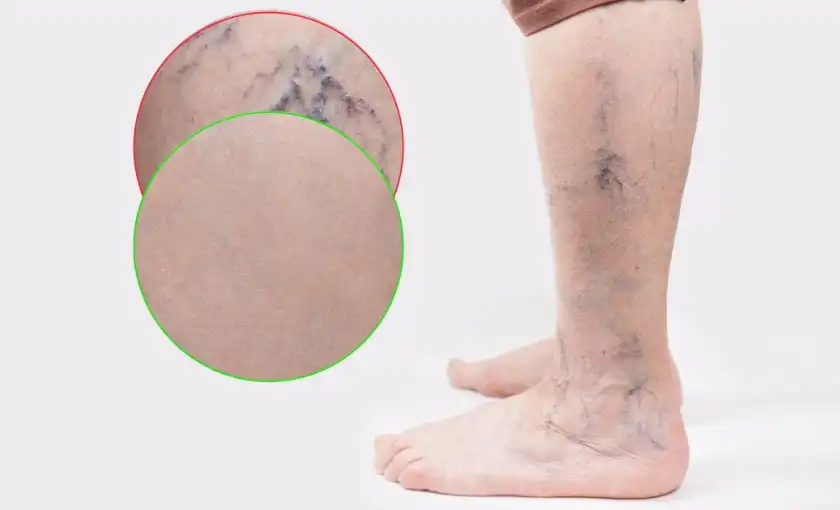
However, symptoms such as persistent leg swelling, heaviness, aching, cramping, skin discoloration, or visible varicose veins may indicate an underlying vascular condition.
Conditions such as chronic venous insufficiency can interfere with the normal return of blood from the legs toward the heart.
Diet and exercise may support overall vascular health, but they do not replace medical evaluation when symptoms suggest an underlying condition.
What Are Signs of Poor Circulation in the Legs?
Symptoms vary depending on the underlying cause, but possible signs of a circulation problem may include:
- Persistent leg pain or aching
- Leg heaviness
- Swelling
- Cramping
- Skin discoloration
- Changes in skin texture
- Slow-healing wounds
- Coldness in the feet or legs
- Visible or bulging veins
Not all of these symptoms are caused by poor circulation, and arterial and venous conditions can produce different symptoms.
A vascular evaluation can help determine the cause.
When Does Poor Blood Circulation Need Medical Treatment?
Blood circulation treatment depends on what is causing the problem.
Poor circulation is not a single diagnosis. Symptoms may result from conditions affecting the arteries, veins, heart, nerves, or other systems.
For venous conditions, treatment may range from lifestyle changes and compression therapy to minimally invasive procedures.
At BASS Vein Center, treatment options include:
- Conservative Vein Treatment
- Radiofrequency Ablation Therapy
- VenaSeal™ Vein Treatment
- Sclerotherapy
- Ambulatory Phlebectomy
- Endovenous Laser Therapy
The appropriate treatment depends on the condition, symptoms, ultrasound examination findings, and results of any necessary testing.
Improving Circulation With BASS Vein Center
Healthy food choices and regular physical activity can support vascular health, but ongoing leg symptoms sometimes require medical evaluation.
If you experience leg swelling, heaviness, aching, cramping, visible veins, or other symptoms that could be related to vein disease, BASS Vein Center can help determine the cause.
Our vein specialists evaluate and treat conditions including:
Visit our Northern California vein clinic locations or request a consultation to discuss your symptoms.
Frequently Asked Questions
What foods are best for blood circulation?
Foods that support cardiovascular and vascular health include leafy greens, beets, berries, citrus fruits, fatty fish, nuts, seeds, tomatoes, whole grains, legumes, and other minimally processed plant foods.
No individual food can treat poor circulation, so an overall balanced diet is more important than relying on one specific ingredient.
What foods help improve blood circulation in the legs?
Foods that support overall vascular health also support the blood vessels in your legs. These include vegetables, fruits, fish, nuts, seeds, whole grains, and legumes.
If you have ongoing leg swelling, heaviness, pain, or skin changes, dietary changes alone may not address the underlying cause.
How can I increase blood flow naturally?
Regular exercise, avoiding prolonged inactivity, eating a heart-healthy diet, not smoking, maintaining an appropriate weight, and managing cardiovascular risk factors can all support healthy circulation.
Does drinking water improve blood circulation?
Adequate hydration supports normal fluid balance and overall body function, but drinking more water is not a treatment for vascular disease or poor circulation.
Can poor circulation be treated with food?
Diet can support cardiovascular health, but food alone cannot treat many causes of poor circulation. Medical treatment may be necessary when symptoms are caused by an underlying arterial or venous condition.
When should I see a doctor for poor circulation?
Consider medical evaluation if you have persistent leg swelling, pain, heaviness, cramping, skin discoloration, wounds that are slow to heal, or other unexplained changes in your legs.
Note: Coverage varies between insurance plans. Please check with your insurance provider before scheduling. BASS Vein Center will verify your benefits so you understand any out-of-pocket costs ahead of treatment.
Medical Disclaimer: The information provided in this blog is for educational and informational purposes only and is not intended as medical advice, diagnosis, or treatment. BASS Medical Group does not endorse any specific tests, treatments, procedures, or opinions referenced in this content. Individual results may vary. Always consult with your physician or a qualified healthcare provider regarding any medical concerns or before making changes to your health regimen.