
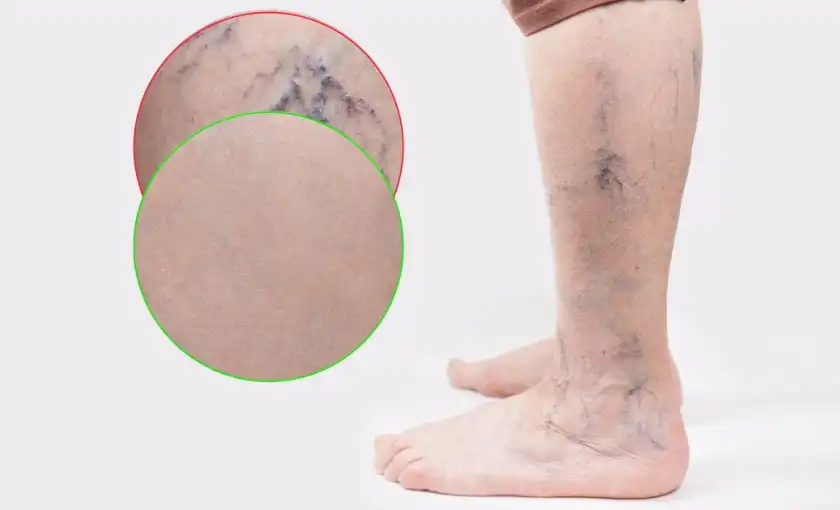
Why Do Varicose Veins Usually Appear on the Legs?
Varicose veins can technically develop anywhere in the body, but they are most commonly found in the legs. For many people, they appear as enlarged, twisted, or bulging blue veins on the calves, thighs, or around the knees. While they may start as a cosmetic concern, varicose veins are often a sign of an underlying circulation problem called venous insufficiency.
So why do varicose veins almost always affect the legs instead of other areas of the body?
Gravity Places More Pressure on Leg Veins
The main reason varicose veins develop in the legs is gravity. Veins are responsible for carrying blood back to the heart. In the legs, blood has to travel upward against gravity for circulation to work properly. The calf muscles also play an important role by helping pump blood upward with movement and walking. To help move blood in the correct direction, leg veins contain tiny one-way valves.
When these valves weaken or stop closing properly, blood can begin pooling inside the veins instead of flowing smoothly back to the heart. This creates increased pressure inside the vein walls, causing the veins to enlarge and become varicose.
Because the legs are the farthest point from the heart while standing or sitting upright, they experience the greatest amount of pressure over time.
Standing and Sitting Can Make It Worse
Long periods of standing or sitting can increase pressure inside the veins of the legs.
People who spend much of the day:
- Standing at work
- Sitting at a desk
- Driving long distances
- Remaining inactive for long periods
may have a higher risk of developing varicose veins.
Without regular calf muscle movement, circulation slows down and blood can pool more easily in the lower extremities.
The Calf Muscles Help Pump Blood
The muscles in the calves play an important role in circulation and are sometimes called the “second heart” of the body.
Every time you walk, your calf muscles contract and help push blood upward through the veins. If circulation is impaired or the valves are damaged, the veins must work harder to move blood against gravity.
Over time, this added pressure can lead to:
- Bulging veins
- Leg heaviness
- Swelling
- Aching or fatigue
- Skin discoloration
- Itching or burning sensations
Risk Factors for Varicose Veins
Several factors can increase the likelihood of developing varicose veins in the legs, including:
- Family history of vein disease
- Pregnancy
- Obesity
- Aging
- Hormonal changes
- Prolonged standing or sitting
- Lack of physical activity
Women tend to develop varicose veins more often than men, though the condition affects both.
Can Varicose Veins Appear Elsewhere?
While leg veins are the most common location, vein problems can occur in other areas of the body.
Examples include:
- Hemorrhoids
- Pelvic congestion syndrome
- Varicoceles
- Spider veins on the face
However, the legs remain the most common site because of the constant pressure caused by gravity and daily movement.
When Should You See a Vein Specialist?
Some varicose veins are mild, but others may indicate chronic venous insufficiency or worsening vein disease.
You should consider seeing a vein specialist if you experience:
- Leg pain or heaviness
- Swelling
- Burning or itching veins
- Skin color changes
- Bleeding veins
- Leg ulcers or wounds
- Symptoms that worsen after standing
Modern vein treatments are minimally invasive and are often performed in an outpatient office setting with little downtime.
Vein Care at BASS Vein Center
At BASS Vein Center, our specialists diagnose and treat varicose veins and venous insufficiency using advanced imaging and minimally invasive procedures. Treatment options may include vein ablation, Venaseal™, sclerotherapy, and other personalized therapies designed to improve circulation and relieve symptoms.
If varicose veins are causing discomfort, swelling, or skin changes, the specialists at BASS Vein Center can help evaluate your symptoms and discuss personalized treatment options.
Note: Coverage varies between insurance plans. Please check with your insurance provider before scheduling. BASS Vein Center will verify your benefits so you understand any out-of-pocket costs ahead of treatment.
Medical Disclaimer: The information provided in this blog is for educational and informational purposes only and is not intended as medical advice, diagnosis, or treatment. BASS Medical Group does not endorse any specific tests, treatments, procedures, or opinions referenced in this content. Individual results may vary. Always consult with your physician or a qualified healthcare provider regarding any medical concerns or before making changes to your health regimen.