Superficial Thrombophlebitis After Vein Treatment: What to Know
What Is Superficial Thrombophlebitis?
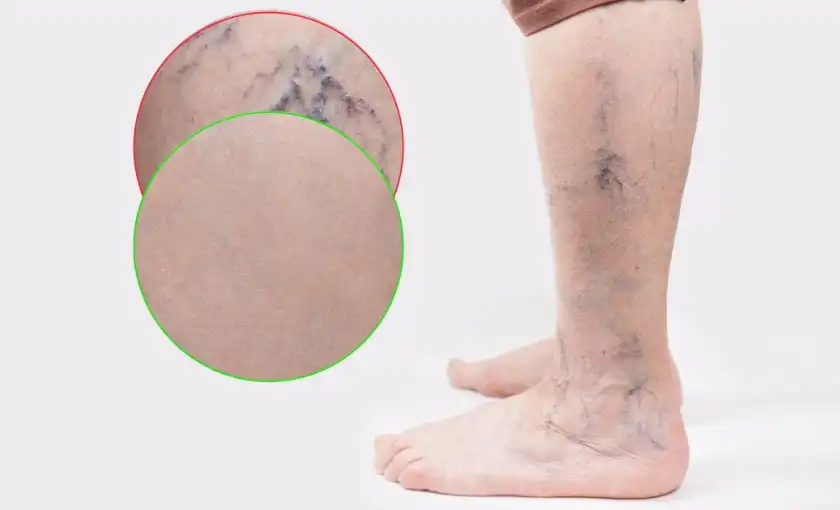
Superficial thrombophlebitis is a mild inflammation of a vein just under the skin. It can sometimes occur after treatments like sclerotherapy or other vein procedures.
While the name may sound concerning, this condition is usually temporary and manageable. In most cases, it resolves with simple care and does not lead to serious complications.
Why Can It Happen After Vein Treatment?
Superficial thrombophlebitis can occur as part of the body’s natural response to vein treatment.
Procedures like sclerotherapy are designed to close targeted veins. As the treated vein seals off, a small amount of inflammation can develop. This is expected and often part of the healing process.
Not every patient experiences this, but when it does occur, it is typically mild.
Common Symptoms
Symptoms are usually localized and may include:
- Tenderness along the treated vein
- Mild redness or warmth
- A firm or cord-like feeling under the skin
- Slight swelling
These symptoms are usually limited to the treated area and improve over time.
Is It Dangerous?
In most cases, superficial thrombophlebitis is not dangerous.
It affects veins close to the surface of the skin and is different from deep vein thrombosis (DVT), which involves deeper veins.
Your provider will evaluate your symptoms to confirm the diagnosis and rule out other conditions if needed.
How Is It Treated?
Treatment is typically simple and focused on comfort and circulation.
Your provider may recommend:
- Walking and light activity to support blood flow
- Compression stockings
- Warm compresses
- Over-the-counter anti-inflammatory medications (if appropriate)
Most cases improve within a few days to a few weeks.
When Should You Contact a Doctor?
You should contact your provider if you notice:
- Increasing pain or swelling
- Spreading redness
- Symptoms that do not improve
- New symptoms in other areas of the leg
Your care team can evaluate your symptoms and adjust your treatment plan if needed.
How to Reduce Your Risk
Following aftercare instructions can help reduce the likelihood of developing superficial thrombophlebitis.
Helpful steps include:
- Wearing compression as directed
- Staying active after treatment
- Avoiding prolonged sitting or standing
- Attending follow-up appointments
These measures support proper healing and circulation.
What This Means for Your Vein Treatment
Superficial thrombophlebitis can sound more serious than it is. For most patients, it is a temporary and manageable part of the healing process.
Modern vein treatments like sclerotherapy are safe and widely used, with strong outcomes and low complication rates.
Have Questions About Vein Treatment?
If you are considering treatment for spider veins or have questions about side effects, a vein specialist can help you understand what to expect.
Schedule a consultation with BASS Vein Center to review your symptoms and treatment options with an experienced provider.
FAQs
How long does superficial thrombophlebitis last?
Most cases improve within a few days to a few weeks.
Is superficial thrombophlebitis the same as a blood clot?
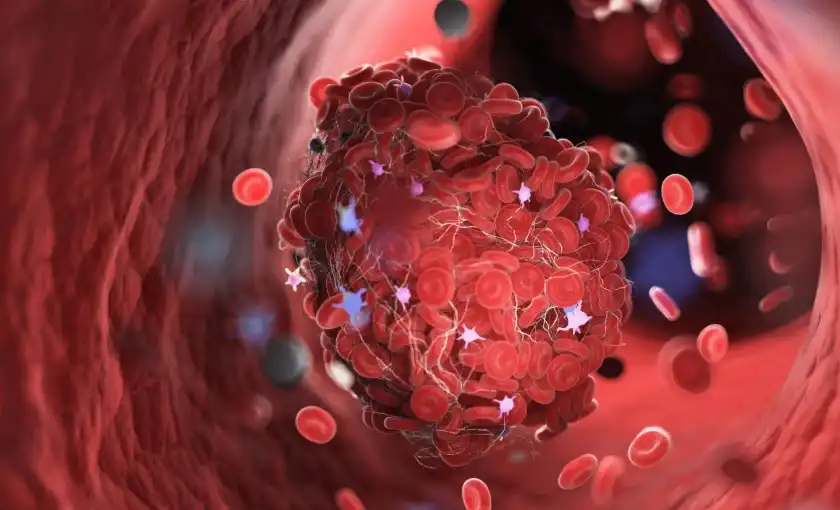
It involves a small clot in a surface vein, but it is different from deep vein thrombosis and is usually not dangerous.
Can I still walk or exercise?
Yes. Walking is encouraged and helps improve circulation during recovery.
Does this happen after every treatment?
No. It is not common, and when it does occur, it is usually mild.
Note: Coverage varies between insurance plans. Please check with your insurance provider before scheduling. BASS Vein Center will verify your benefits so you understand any out-of-pocket costs ahead of treatment.
Medical Disclaimer: The information provided in this blog is for educational and informational purposes only and is not intended as medical advice, diagnosis, or treatment. BASS Medical Group does not endorse any specific tests, treatments, procedures, or opinions referenced in this content. Individual results may vary. Always consult with your physician or a qualified healthcare provider regarding any medical concerns or before making changes to your health regimen.