Beginner’s Guide to Compression Stockings for Varicose Vein Relief
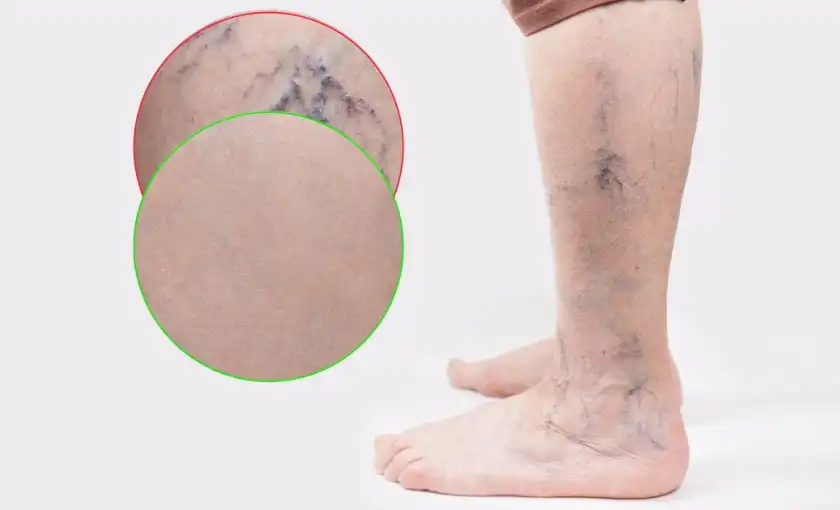
Compression stockings are a commonly used conservative treatment for people with varicose veins. They apply graduated pressure to the legs, which can help reduce swelling, aching, heaviness, and other symptoms associated with venous disease.
You may also hear them called compression socks, support stockings, elastic stockings, medical stockings, pressure stockings, support hose, or support tights. Although the names vary, the basic goal is the same: applying controlled pressure to support blood movement through the legs.
This beginner’s guide explains how compression stockings work for varicose veins, how to choose and wear them, how long they are typically worn, and when to ask a vein specialist for guidance.
Do Compression Stockings Help Varicose Veins?
Yes. Compression stockings can help relieve symptoms associated with varicose veins, particularly aching, swelling, heaviness, and leg fatigue.
They work by applying pressure to the lower legs. This helps support the veins and leg muscles as they move blood upward toward the heart. Mayo Clinic describes compression stockings as a common conservative approach for varicose veins because the pressure helps veins and leg muscles move blood more efficiently.
Compression therapy may improve symptoms, but it is important to understand what it does not do.
Compression stockings generally do not repair damaged vein valves or permanently remove established varicose veins.
How Do Compression Socks Work?
Compression socks use graduated compression, meaning the pressure is generally greatest around the ankle and decreases higher up the leg.
This pressure can:
- Help support venous blood return
- Reduce fluid accumulation in the lower legs
- Reduce swelling
- Improve symptoms such as aching or heaviness
- Support the calf-muscle pump during movement
For people with varicose veins, this can make standing, walking, or sitting for long periods more comfortable.
Who May Use Compression Stockings?
Compression therapy may be recommended for conditions such as:
- Varicose veins
- Chronic venous insufficiency
- Leg swelling
- Certain venous ulcers
- Some cases of superficial venous disease
- Recovery after certain vein procedures
Compression stockings are also sometimes used for prevention of blood clots in specific medical situations, but DVT prevention should be based on individual risk and medical guidance rather than self-treatment.
What Are the Different Types of Compression Stockings for Varicose Veins?
Compression stockings come in different lengths, materials, and pressure levels.
Knee-High Compression Stockings
Knee-high stockings cover the lower leg and are commonly used when symptoms are concentrated below the knee.
They may be appropriate for:
- Calf swelling
- Lower-leg heaviness
- Varicose veins below the knee
- Ankle swelling
Thigh-High Compression Stockings
Thigh-high stockings extend above the knee and may be recommended when symptoms or affected veins extend farther up the leg.
Waist-High Compression Stockings or Support Tights
Waist-high compression garments resemble tights or pantyhose and provide compression through a larger portion of the legs.
The best length depends on where your symptoms occur and why compression is being used.
What Compression Level Is Best for Varicose Veins?
Compression strength is measured in millimeters of mercury, or mmHg.
Common compression ranges include:
- 15–20 mmHg: lighter compression
- 20–30 mmHg: moderate medical compression
- 30–40 mmHg: stronger medical compression
- 40 mmHg and above: higher-level compression generally used for specific medical indications
People often search for a single “best” pressure for varicose veins, but the appropriate compression level varies.
Factors that matter include:
- Severity of symptoms
- Degree of swelling
- Presence of chronic venous insufficiency
- Other vascular conditions
- Leg measurements
- Whether the stockings are being used after a procedure
A vein specialist can determine whether compression is appropriate and which strength is best for your situation.
How Do You Wear Compression Stockings for Varicose Veins?
Proper fit and application are important.
For many people, compression stockings are easiest to put on in the morning, before significant leg swelling develops.
A common method is:
- Make sure your legs and stockings are dry.
- Turn the stocking partially inside out down to the heel.
- Place your foot into the stocking and position the heel correctly.
- Gradually roll or pull the stocking upward.
- Smooth the fabric evenly over the leg.
- Check for wrinkles, folds, or rolled edges.
Avoid bunching the fabric around the ankle or knee because this can create uncomfortable pressure points.
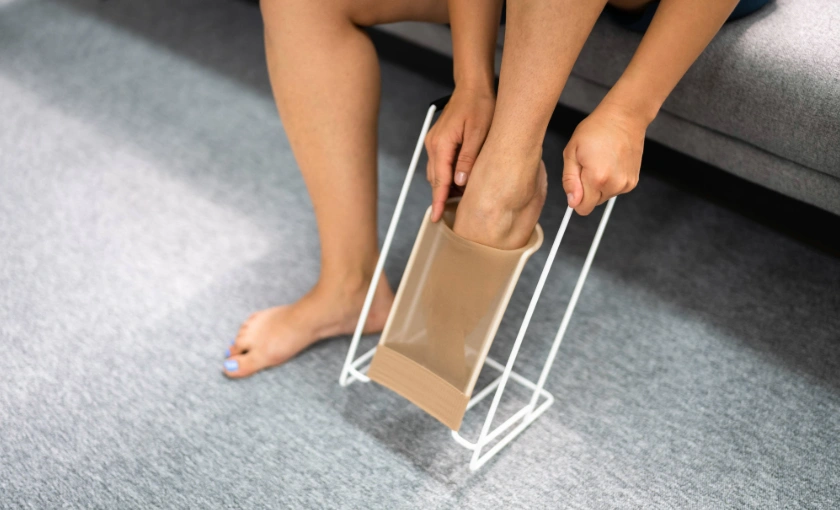
A stocking donner or other application aid may make the process easier for people who have difficulty bending, gripping, or pulling the garment into place.
When Should You Put Compression Stockings On?
For daytime use, compression stockings are often easiest to put on in the morning before swelling increases.
Depending on your condition, your provider may recommend wearing them during activities such as:
- Prolonged standing
- Long periods of sitting
- Work shifts
- Travel
- Daily activities
- Exercise
- Recovery after a vein procedure
The exact schedule should depend on why you are wearing them.
How Long Should You Wear Compression Socks for Varicose Veins?
There is no single number of hours that is correct for everyone.
For ongoing varicose vein symptoms, compression stockings are commonly worn during the day and removed before sleeping, unless a healthcare professional gives different instructions.
Mayo Clinic notes that compression stockings may be worn throughout the day as part of conservative varicose vein management.
How long you continue using them over a period of weeks or months depends on:
- Your symptoms
- Your diagnosis
- Whether swelling is present
- Your response to compression
- Whether you have undergone a vein procedure
- Your physician’s recommendations
How Long Should You Wear Compression After Vein Treatment?
This is different from everyday compression for untreated varicose veins.
Post-procedure instructions can vary substantially depending on the treatment and physician. For example, different NHS vascular services give different compression schedules after varicose vein procedures, ranging from several days to a few weeks.
For that reason, always follow the instructions from the specialist who performed your treatment.
Should You Sleep in Compression Stockings?
For routine varicose vein symptom management, compression stockings are generally worn during waking hours rather than overnight unless your healthcare provider specifically recommends nighttime use.
Compression needs can be different immediately after a procedure, so postoperative instructions should take priority.
How Tight Should Compression Stockings Feel?
Compression stockings are supposed to feel snug, but they should not cause severe pain or significantly impair sensation.
A properly fitted stocking should apply firm, even pressure without:
- Digging painfully into the skin
- Rolling into a tight band
- Causing new numbness
- Producing significant color changes in the foot
- Creating severe pain
If the stocking feels excessively tight, the size or compression level may not be appropriate.
Are Support Stockings the Same as Compression Stockings?
The terms are sometimes used interchangeably, but products can differ substantially in the amount and distribution of pressure they provide.
Terms you may encounter include:
- Support stockings
- Support hose
- Elastic stockings
- Pressure stockings
- Medical compression stockings
- Compression socks
- Support tights
For medical management of varicose veins or chronic venous insufficiency, a properly fitted graduated compression garment with a defined pressure level is generally more useful than choosing a product based only on the words “support hose” or “support socks.”
Can Compression Stockings Get Rid of Varicose Veins?
No. Compression stockings may reduce symptoms, but they do not usually make established varicose veins disappear.
Varicose veins develop when the vein valves do not function normally. Compression applies external pressure to support blood return, but it does not repair those valves.
If your goal is to close or remove symptomatic varicose veins, medical treatments may include:
Which treatment is appropriate depends on the veins involved and your ultrasound findings.
Can Compression Stockings Prevent Varicose Veins From Getting Worse?
Compression stockings can help control symptoms and swelling, but it is better not to describe them as a guaranteed way to stop varicose veins from progressing.
They do not correct the underlying valve dysfunction that causes venous reflux.
If symptoms continue to worsen despite compression, a vein evaluation can help determine whether an underlying vein should be treated.
What Are the Possible Side Effects of Compression Stockings?
Compression stockings are generally well tolerated when they are properly fitted and appropriately prescribed.
Problems can include:
- Itching
- Skin irritation
- Discomfort
- Pressure marks
- Stockings rolling or bunching
- Numbness or tingling if the garment is too tight
Incorrect sizing can make compression uncomfortable and potentially cause skin problems.
Who Should Be Careful With Compression Stockings?
Compression therapy is not appropriate for every patient.
People with certain conditions, particularly significant peripheral arterial disease or impaired arterial circulation, may need vascular evaluation before using stronger compression.
You should also seek guidance if you have:
- Significant numbness or neuropathy
- Fragile or damaged skin
- Open wounds
- Significant arterial disease
- Severe leg pain of uncertain cause
- Difficulty finding a properly fitted stocking
A vascular evaluation can determine whether compression is safe and appropriate.
What If Compression Stockings Are Difficult to Put On?
This is common, especially with higher-compression garments.
Helpful strategies include:
- Putting them on before swelling develops
- Keeping the skin dry during application
- Using rubber gloves for additional grip
- Using a stocking donner
- Choosing the correct size
- Asking about alternative garment styles
Do not intentionally choose an oversized stocking simply because it is easier to put on. Incorrect sizing can reduce the effectiveness of compression.
When Should You See a Vein Specialist?
Consider an evaluation if you have varicose veins along with:
- Persistent aching
- Increasing swelling
- Leg heaviness
- Painful bulging veins
- Skin discoloration
- Itching or skin changes
- An open or slow-healing wound
- Symptoms that continue despite compression
Compression can help manage symptoms, but persistent problems may indicate chronic venous insufficiency or another underlying vein condition.
Compression Therapy at BASS Vein Center
BASS Vein Center evaluates varicose veins and other venous conditions to determine whether compression, lifestyle measures, minimally invasive treatment, or another approach is appropriate.
If you are unsure which compression stockings for varicose veins are right for you, or your symptoms continue despite wearing them, a vein evaluation can help identify the underlying cause.
Schedule a consultation or call 925-477-3030 to discuss your symptoms and treatment options.
Frequently Asked Questions
Do compression socks help varicose veins?
Yes. Compression socks may reduce swelling, aching, heaviness, and other symptoms by applying controlled pressure to the legs and supporting venous blood return. They do not repair damaged vein valves or permanently remove existing varicose veins.
What compression stockings are best for varicose veins?
The appropriate stocking depends on your symptoms, affected area, leg measurements, vascular health, and the reason compression is being used. A healthcare professional can recommend the appropriate length and pressure level.
How long should you wear compression socks for varicose veins?
For ongoing symptom management, stockings are commonly worn during waking hours and removed before bed, unless your healthcare provider recommends otherwise. The total duration of treatment depends on your condition and symptoms.
How do you wear compression stockings for varicose veins?
Put them on evenly, usually before significant swelling develops, with the heel positioned correctly and no wrinkles or folded areas. A stocking donner can help if application is difficult.
Do compression stockings make varicose veins go away?
No. Compression stockings may reduce symptoms but do not eliminate established varicose veins or repair damaged vein valves.
Are support stockings good for varicose veins?
Graduated support or compression stockings may help manage varicose vein symptoms when they provide an appropriate pressure level and fit correctly.
Can you wear compression stockings every day?
Some people use compression stockings daily for chronic venous symptoms. Whether daily compression is appropriate depends on your medical condition and should be discussed with your healthcare provider if you have significant vascular disease or other concerns.
Are compression socks safe for everyone?
No. Compression may be inappropriate for some people, particularly those with significant arterial circulation problems. If you have known peripheral arterial disease, substantial numbness, wounds, or severe leg symptoms, seek medical guidance before using strong compression.
Note: Coverage varies between insurance plans. Please check with your insurance provider before scheduling. BASS Vein Center will verify your benefits so you understand any out-of-pocket costs ahead of treatment.
Medical Disclaimer: The information provided in this blog is for educational and informational purposes only and is not intended as medical advice, diagnosis, or treatment. BASS Medical Group does not endorse any specific tests, treatments, procedures, or opinions referenced in this content. Individual results may vary. Always consult with your physician or a qualified healthcare provider regarding any medical concerns or before making changes to your health regimen.