Varicose Veins: Are They Just Cosmetic?
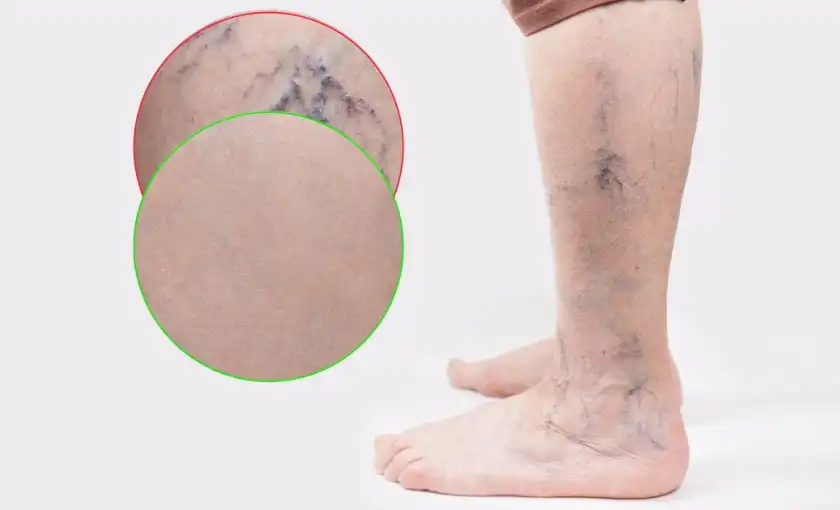
Varicose veins are often seen as a cosmetic issue, but that is not always accurate. In many cases, they are a sign of an underlying vein condition that can affect circulation and long-term health. Spider veins are more likely to be cosmetic, but varicose veins often involve deeper problems.
What is the difference between varicose veins and spider veins?
Varicose veins are enlarged, twisted veins that usually appear raised and bulging. They often develop in the legs due to increased pressure in the veins.
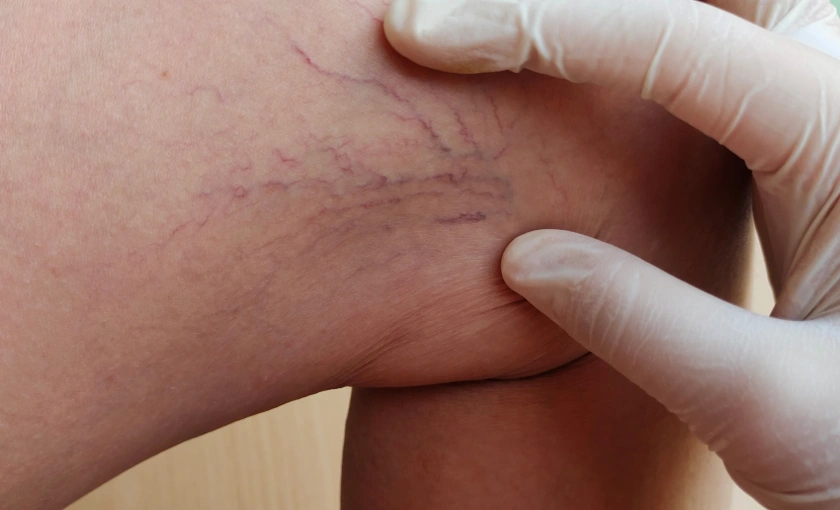
Spider veins are smaller, flat, and closer to the surface of the skin. They typically look like thin red or blue lines and are less likely to cause symptoms.
Key difference: Varicose veins are more likely to reflect venous disease. Spider veins are usually cosmetic, though they can occasionally be associated with underlying issues.
Are varicose veins only cosmetic?
No. Varicose veins can be a sign of chronic venous insufficiency (CVI), a condition where blood does not flow properly back to the heart.
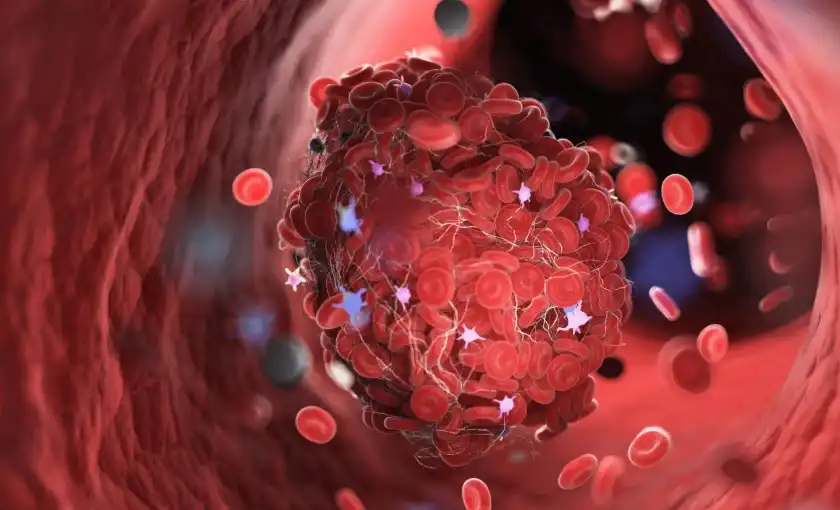
When vein valves weaken or fail, blood can pool in the legs. This leads to pressure buildup and visible vein changes.
Common symptoms include:
- Leg heaviness or aching
- Swelling in the lower legs or ankles
- Burning or throbbing discomfort
- Itching around the veins
- Skin changes such as darkening or thickening
These symptoms indicate a medical condition, not just a cosmetic concern.
When should varicose veins be treated?
Treatment is not just about appearance. It is often recommended when symptoms or complications are present.
You should consider evaluation if you notice:
- Persistent leg pain or fatigue
- Swelling that worsens throughout the day
- Skin discoloration or hardening
- Open sores or slow-healing wounds
- Bleeding from a vein
Early evaluation can help prevent progression to more serious complications such as ulcers.
Are spider veins always cosmetic?
Spider veins are usually considered cosmetic. They are smaller and do not typically cause significant symptoms.
However, in some cases they may:
- Cause mild aching or burning
- Be associated with underlying venous insufficiency
- Indicate early-stage vein disease
If spider veins appear along with leg symptoms, it is reasonable to evaluate for deeper vein issues.
Why the myth persists
Many people associate vein treatment with cosmetic procedures because:
- Spider vein treatments (sclerotherapy) are often marketed for appearance
- Early varicose veins may not cause noticeable symptoms
- Vein disease develops gradually and can be overlooked
This leads to delayed diagnosis in patients who could benefit from earlier care.
What causes varicose veins?
Several factors increase the risk of developing varicose veins:
- Family history
- Pregnancy
- Prolonged standing or sitting
- Aging
- Obesity
These factors contribute to increased pressure in the veins and valve dysfunction.
How are varicose veins treated?
Treatment depends on severity and symptoms. Many options are minimally invasive and performed in an outpatient setting.
Common treatments include:
- Compression therapy
- Sclerotherapy
- Radiofrequency ablation
- Endovenous laser treatment
- VenaSeal closure
The goal is to improve blood flow, reduce symptoms, and prevent complications.
Do you need to see a doctor for varicose veins?
If your veins are only visible without symptoms, monitoring may be reasonable.
If you have pain, swelling, or skin changes, evaluation by a vein specialist is appropriate. A simple ultrasound can assess how well your veins are functioning.
Bottom line
Varicose veins are not always just cosmetic. In many patients, they are a sign of an underlying circulation problem that can worsen over time if untreated.
Spider veins are more often cosmetic, but symptoms should still be taken seriously.
Concerned about varicose veins or leg symptoms? Schedule an evaluation with a vein specialist to determine whether treatment is appropriate.
FAQ
Are varicose veins dangerous?
They are not usually dangerous early on, but they can lead to complications such as ulcers or skin damage if untreated.
Can varicose veins go away on their own?
No. They may worsen over time without treatment.
Are vein treatments covered by insurance?
If symptoms are present and medical necessity is documented, many treatments are covered.
Note: Coverage varies between insurance plans. Please check with your insurance provider before scheduling. BASS Vein Center will verify your benefits so you understand any out-of-pocket costs ahead of treatment.
Medical Disclaimer: The information provided in this blog is for educational and informational purposes only and is not intended as medical advice, diagnosis, or treatment. BASS Medical Group does not endorse any specific tests, treatments, procedures, or opinions referenced in this content. Individual results may vary. Always consult with your physician or a qualified healthcare provider regarding any medical concerns or before making changes to your health regimen.