Are Heavy Legs a Sign of Varicose Veins? When to See a Vein Specialist
Yes. A heavy, tired feeling in your legs is often one of the earliest signs of varicose veins or chronic venous insufficiency.
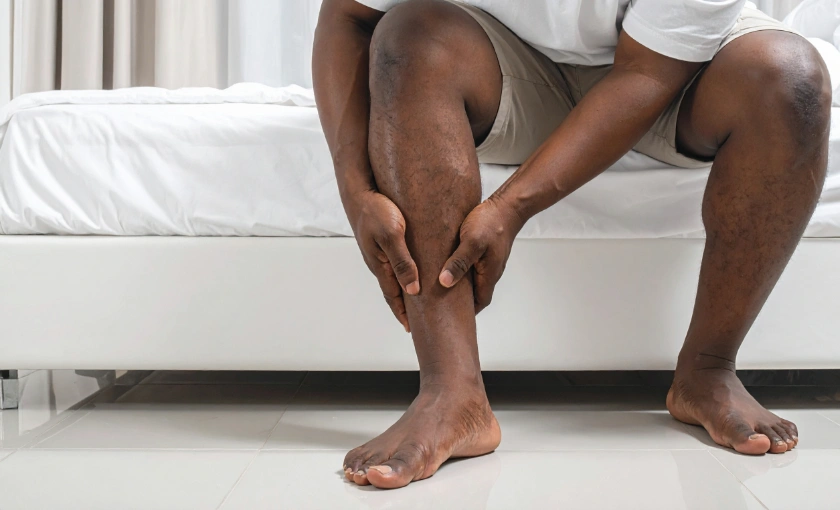
Many people notice this sensation before visible veins appear. It may feel like your legs are fatigued, swollen, or harder to move, especially at the end of the day.
This happens when blood is not circulating properly through the leg veins.
Why Do Varicose Veins Cause Leg Heaviness?
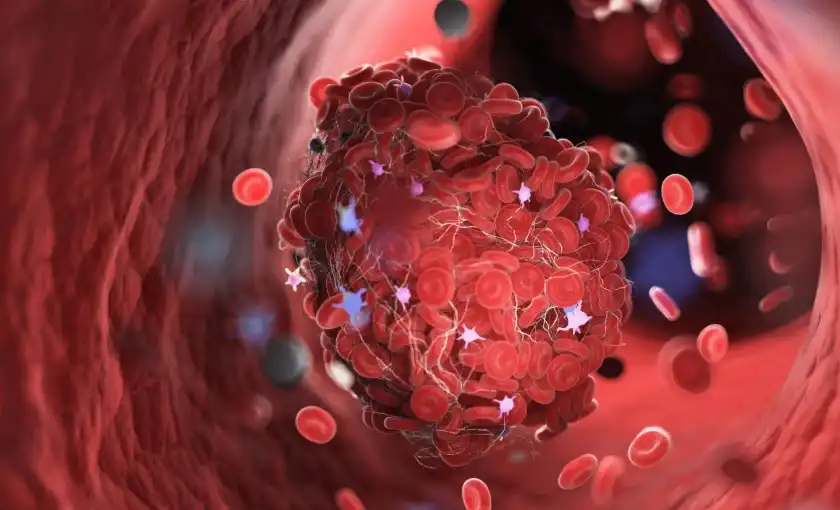
Veins in the legs rely on one-way valves to push blood back to the heart. When these valves weaken, blood can flow backward and pool in the lower legs.
This leads to:
- Increased pressure inside the veins
- Reduced circulation efficiency
- Strain on surrounding muscles
Over time, this pressure creates symptoms like heaviness, aching, and swelling.
Common Symptoms That Occur Alongside Heavy Legs
If your leg heaviness is related to vein disease, you may also notice:
- Aching or throbbing in the legs
- Swelling in the ankles or calves
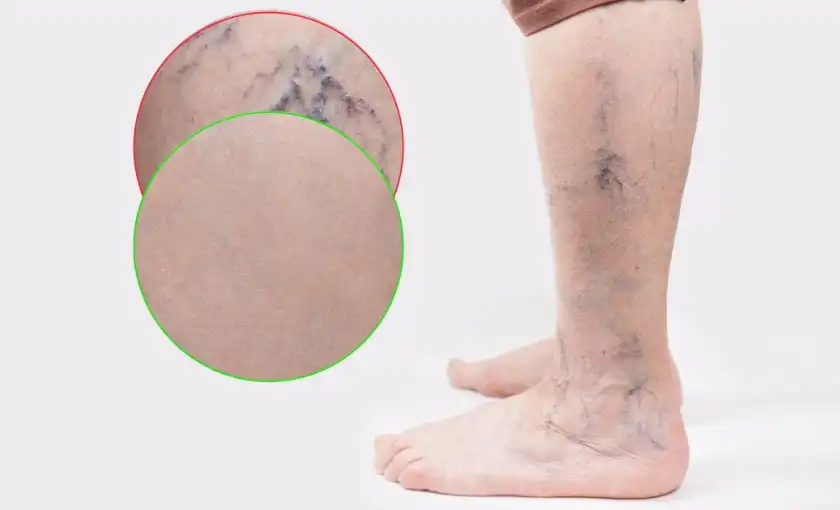
- Visible varicose or spider veins
- Itching or dry skin on the lower legs
- Symptoms that worsen after standing or sitting
These symptoms often improve with rest or leg elevation, which is a key sign of venous insufficiency.
How Symptoms Can Progress Over Time
Without treatment, vein disease can worsen.
Many patients follow a progression like this:
- Early stage: Leg heaviness, fatigue, mild swelling
- Moderate stage: Visible varicose veins, skin irritation
- Advanced stage: Skin discoloration, thickening, or ulcers
If you already have leg heaviness, early evaluation can help prevent more serious complications like venous leg ulcers.
How to Relieve Heavy Legs at Home
For mild symptoms, conservative care may help improve circulation:
- Stay active with walking or low-impact exercise
- Avoid long periods of sitting or standing
- Elevate your legs when resting
- Wear compression stockings
- Maintain a healthy weight
These steps can reduce symptoms, but they do not fix underlying vein damage.
When to See a Vein Specialist
You should consider a vein evaluation if:
- Leg heaviness is persistent or worsening
- You notice visible varicose veins
- Swelling or discomfort interferes with daily activity
- Skin changes begin to develop
A vein specialist can assess circulation and recommend treatment options that address the root cause.
Treatment Options for Varicose Veins
Modern vein treatments are minimally invasive and focus on improving blood flow.
Common options include:
- Radiofrequency Ablation Therapy
- VenaSeal™ Vein Treatment
- Endovenous Laser Therapy (EVLT)
Treating varicose veins can reduce symptoms like heaviness and help prevent complications.
Don’t Ignore Heavy Legs
If your legs feel heavy, tired, or swollen, it may be an early sign of varicose veins or poor circulation.
Getting evaluated early can help prevent symptoms from progressing to more serious conditions like skin damage or leg ulcers.
Schedule a vein evaluation with BASS Vein Center to identify the cause and review treatment options that can improve circulation and relieve discomfort.
We offer minimally invasive vein treatments at locations across California.
FAQs
Is leg heaviness always caused by varicose veins?
Not always, but it is one of the most common causes, especially when symptoms worsen with standing and improve with elevation.
Do compression socks help heavy legs?
Yes. They can improve circulation and reduce symptoms, but they do not treat the underlying vein condition.
Can heavy legs lead to ulcers?
In some cases, yes. Chronic venous insufficiency can progress over time and lead to skin damage and venous leg ulcers.
Note: Coverage varies between insurance plans. Please check with your insurance provider before scheduling. BASS Vein Center will verify your benefits so you understand any out-of-pocket costs ahead of treatment.
Medical Disclaimer: The information provided in this blog is for educational and informational purposes only and is not intended as medical advice, diagnosis, or treatment. BASS Medical Group does not endorse any specific tests, treatments, procedures, or opinions referenced in this content. Individual results may vary. Always consult with your physician or a qualified healthcare provider regarding any medical concerns or before making changes to your health regimen.