
Are Varicose Veins Genetic? What Family History Really Means
Are Varicose Veins Genetic?
Yes—varicose veins can be genetic, but genetics do not guarantee you will develop them. Family history increases your risk, especially if one or both parents have varicose veins, but other factors determine whether vein disease actually develops and how severe it becomes.
Many patients assume that because varicose veins “run in the family,” nothing can be done. In reality, genetics influence risk, not destiny.
How Genetics Affect Vein Health
Genetics play a role in the structure and function of your veins. Inherited traits can affect:
- The strength and elasticity of vein walls
- The durability of vein valves that keep blood flowing upward
- Connective tissue quality that supports veins
When these inherited traits are weaker, veins may stretch more easily and valves may fail sooner, allowing blood to pool in the legs.
If Varicose Veins Run in My Family, Will I Get Them?
Not necessarily. Having a parent with varicose veins increases your likelihood, but it does not mean you will automatically develop vein disease.
Risk tends to be higher if:
- Both parents had varicose veins
- Family members developed symptoms at a young age
- Vein problems worsened with pregnancy or age
- You are female, as women are more likely than men to develop varicose veins due to hormonal and genetic factors
However, many people with a strong family history never develop significant symptoms, while others with no known family history do.
Genetics vs Lifestyle: What Matters More?
Genetics create susceptibility, but lifestyle and life events often determine whether vein disease becomes symptomatic.
Common triggers include:
- Pregnancy
- Prolonged sitting or standing for work
- Weight changes
- Hormonal shifts
- Aging
A useful way to think about it is: genetics load the gun, but lifestyle and physiology pull the trigger.
Are Spider Veins Genetic Too?
Yes. Spider veins are also influenced by genetics, but they are more strongly affected by hormones, sun exposure, and skin changes. They are usually less dangerous than varicose veins, though they can still be a sign of underlying circulation issues in some patients.
Can You Prevent Varicose Veins If They’re Genetic?
You cannot change your genetics, but you can reduce severity, slow progression, and manage symptoms.
Helpful strategies include:
- Staying active and avoiding prolonged immobility
- Supporting circulation with walking and leg movement
- Using compression stockings when recommended
- Managing weight and swelling
- Seeking evaluation early if symptoms appear
Early assessment is especially important for patients with family history, as treatment is often simpler when vein disease is caught early.
When Family History Means You Should Get Checked
You may benefit from a vein evaluation if you have a family history of varicose veins and experience:
- Leg heaviness or aching
- Swelling in the ankles or lower legs
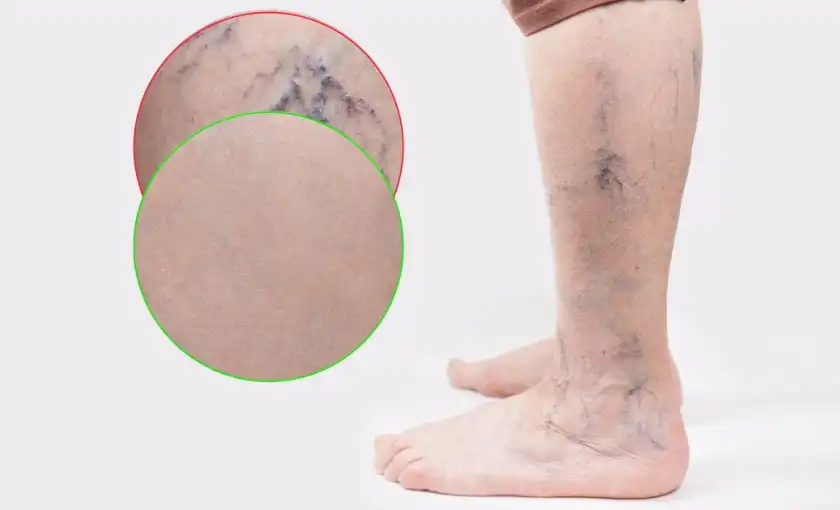
- Visible bulging veins
- Skin discoloration near the ankles
- Symptoms that worsen throughout the day
A vein ultrasound can determine whether symptoms are cosmetic or related to chronic venous insufficiency.
At BASS Vein Center, our specialists evaluate vein health with ultrasound and explain whether genetics, lifestyle, or valve dysfunction are contributing to symptoms—and what options are available if treatment is needed.
Note: Coverage varies between insurance plans. Please check with your insurance provider before scheduling. BASS Vein Center will verify your benefits so you understand any out-of-pocket costs ahead of treatment.
Medical Disclaimer: The information provided in this blog is for educational and informational purposes only and is not intended as medical advice, diagnosis, or treatment. BASS Medical Group does not endorse any specific tests, treatments, procedures, or opinions referenced in this content. Individual results may vary. Always consult with your physician or a qualified healthcare provider regarding any medical concerns or before making changes to your health regimen.