Varicose Veins During Pregnancy: Causes, Prevention, and When to Get Help
Are Varicose Veins Common During Pregnancy?
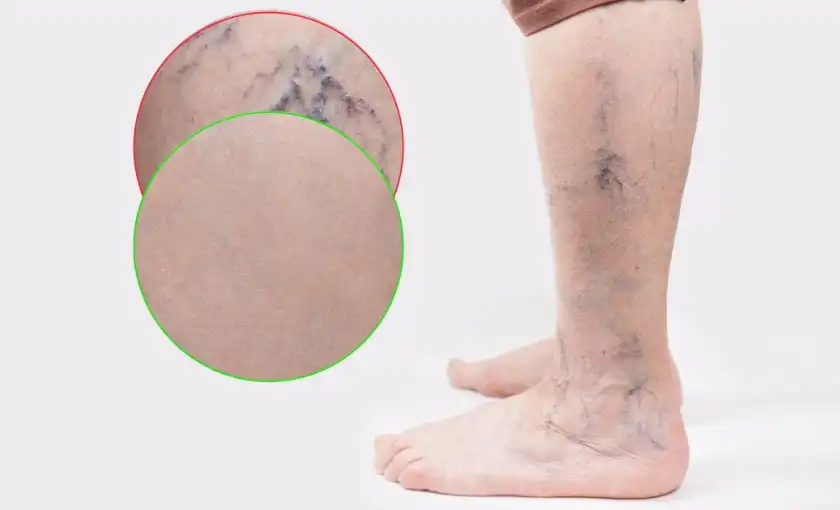
Yes. Varicose veins and spider veins are common during pregnancy, especially in the second and third trimesters. Many people notice new bulging veins, leg heaviness, or swelling as pregnancy progresses.
Genetics can also play a role, so if varicose veins run in your family, your risk may be higher during pregnancy.
In most cases, these changes are related to normal pregnancy physiology—but symptoms can still be uncomfortable, and sometimes they signal underlying venous insufficiency that deserves evaluation.
Why Pregnancy Can Cause Varicose Veins
Pregnancy increases the likelihood of vein problems for a few key reasons:
- Higher blood volume: Your body circulates more blood during pregnancy, increasing workload on the veins.
- Hormonal changes: Pregnancy hormones can relax vein walls, making them more likely to stretch.
- Increased pressure in the pelvis: A growing uterus can add pressure that makes it harder for blood to return from the legs.
- Genetics and prior pregnancies: Family history and previous pregnancies can increase risk.
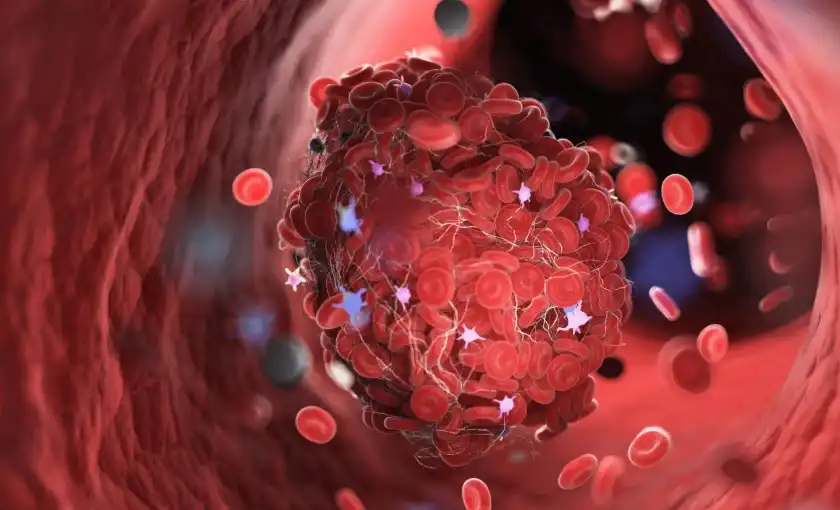
Together, these factors can cause blood to pool in leg veins, making veins appear larger and symptoms more noticeable.
Symptoms to Watch For
Pregnancy-related vein symptoms often include:
- Heaviness or aching in the legs (especially later in the day)
- Swelling in the ankles or lower legs
- Visible bulging varicose veins
- Spider veins
- Itching or skin irritation around visible veins
If you develop sudden one-sided swelling, significant pain, redness, or warmth in one leg, contact your clinician promptly, as those symptoms can require urgent evaluation.
How to Prevent Varicose Veins During Pregnancy
You cannot control every risk factor, but these habits can help reduce symptoms and support circulation:
Move Often
Walking and gentle activity support the calf muscle pump, which helps push blood upward. Even short walks throughout the day can help.
Avoid Long Periods of Sitting or Standing
If your day involves sitting or standing for long stretches, try to change position regularly and take brief movement breaks.
Elevate Your Legs
When resting, elevate your legs when possible to reduce pressure and swelling.
Consider Compression Stockings
Compression stockings are commonly recommended during pregnancy to support circulation and reduce swelling and heaviness. Your clinician can advise the best level and fit for your needs.
Sleep on Your Left Side
This position may reduce pressure on major blood vessels and can support circulation for some patients.
Stay Hydrated and Watch Sodium
Hydration supports healthy circulation. Excess sodium can worsen fluid retention and swelling for some people.
Do Varicose Veins Go Away After Pregnancy?
Sometimes. Many pregnancy-related spider veins and mild varicose veins improve in the months after delivery as hormones stabilize, blood volume returns to baseline, and pressure in the pelvis decreases.
However, some veins may partially improve but not fully go away, especially if there is underlying valve dysfunction or a strong family history. If symptoms persist beyond the postpartum period or worsen with future pregnancies, a vein evaluation can clarify the cause and options.
Can You Treat Varicose Veins During Pregnancy?
Most procedural vein treatments are not performed during pregnancy unless there is a specific medical reason, because many cases improve after delivery and providers typically focus on conservative symptom relief while pregnant.
During pregnancy, care usually emphasizes:
- Compression therapy
- Safe activity and movement
- Leg elevation
- Symptom monitoring
After pregnancy (and after an appropriate recovery period), treatments such as sclerotherapy, laser ablation, radiofrequency ablation, or VenaSeal may be considered if needed based on ultrasound findings.
When to See a Vein Specialist
You may benefit from a vein evaluation if you have:
- Persistent or worsening swelling
- Significant pain or heaviness affecting daily life
- Skin changes near the ankles (darkening, irritation)
- Varicose veins that remain after pregnancy
- Symptoms that return or worsen with each pregnancy
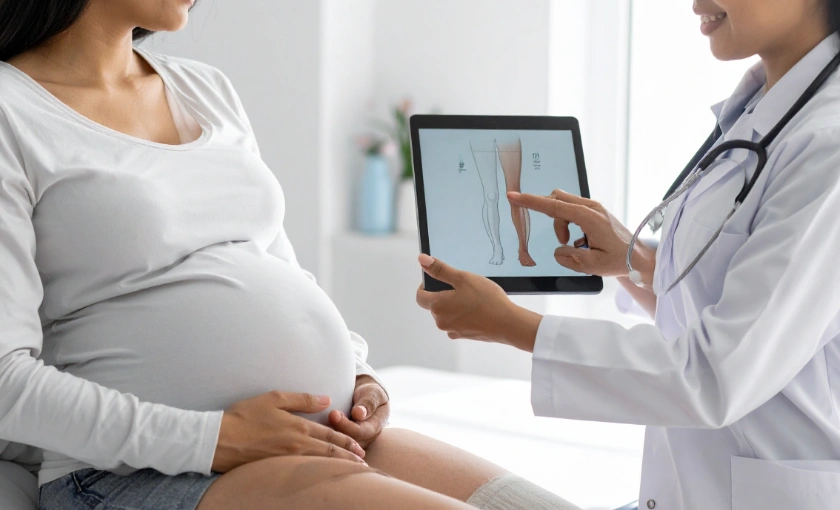
At BASS Vein Center, our specialists can evaluate symptoms with ultrasound and explain what is normal, what needs monitoring, and what treatment options are available after pregnancy if needed. Call 925-477-3030 to schedule a consultation.
Note: Coverage varies between insurance plans. Please check with your insurance provider before scheduling. BASS Vein Center will verify your benefits so you understand any out-of-pocket costs ahead of treatment.
Medical Disclaimer: The information provided in this blog is for educational and informational purposes only and is not intended as medical advice, diagnosis, or treatment. BASS Medical Group does not endorse any specific tests, treatments, procedures, or opinions referenced in this content. Individual results may vary. Always consult with your physician or a qualified healthcare provider regarding any medical concerns or before making changes to your health regimen.