
Why Vein Doctors Require an Ultrasound Before Treatment
Do I Really Need an Ultrasound?
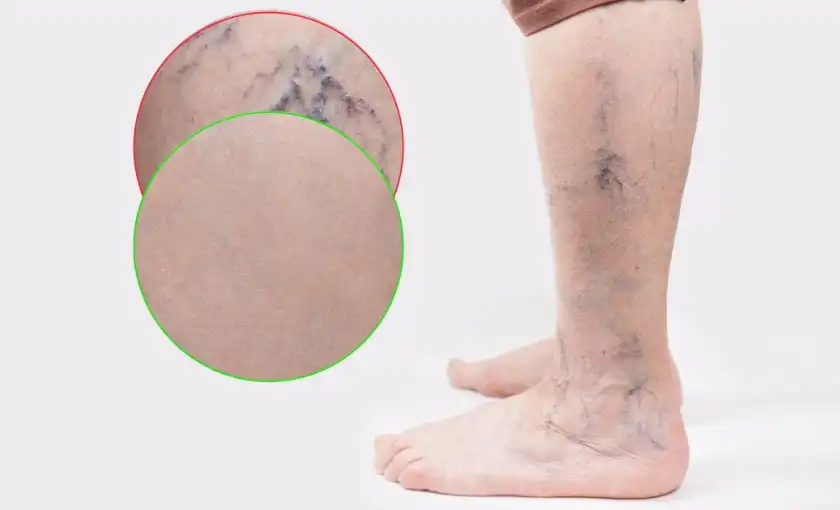
Many patients visit a vein specialist believing their concern is purely cosmetic—small spider veins, visible surface veins, or mild discomfort—and assume treatment can begin immediately with sclerotherapy. While this may seem reasonable, vein disease often starts deeper below the surface, where it cannot be seen without imaging.
A venous ultrasound allows vein specialists to confirm whether the issue is truly cosmetic or a sign of underlying venous insufficiency.
Ultrasound Confirms Whether Vein Disease Is Present
Varicose veins and spider veins are often symptoms, not the root problem. A duplex venous ultrasound evaluates:
- Blood flow direction
- Valve function inside the veins
- Presence of venous reflux
- Deep and superficial vein involvement
Even small surface veins can be caused by deeper reflux that, if untreated, will cause surface treatments to fail or recur.
Why Sclerotherapy Alone Isn’t Always Enough
Sclerotherapy works best when there is no underlying venous reflux. If deeper vein disease is present and untreated, surface veins may return quickly—even after multiple sessions. Ultrasound helps determine whether sclerotherapy is appropriate or if the underlying vein needs to be treated first.
This protects patients from:
- Ineffective treatment
- Unnecessary repeat procedures
- Wasted time and expense
Insurance Often Requires an Ultrasound First
Most insurance plans require documented medical necessity before approving vein treatment. A venous ultrasound provides objective evidence of venous insufficiency, reflux, or valve failure.
Insurance carriers typically require:
- A diagnostic duplex ultrasound
- Documentation of symptoms
- Confirmation that conservative measures were attempted
Without ultrasound findings, coverage may be denied—even for medically necessary treatments.
Ultrasound Helps Customize the Right Treatment Plan
Every patient’s vein anatomy is different. Ultrasound allows vein specialists to:
- Map affected veins
- Identify which veins need treatment
- Avoid unnecessary procedures
- Create a staged, efficient treatment plan
This personalized approach improves outcomes and minimizes recovery time.
Ultrasound Is Safe, Quick, and Non-Invasive
A venous ultrasound:
- Uses sound waves (no radiation)
- Is painless
- Takes up to 30 minutes
- Requires no injections or sedation
It provides critical diagnostic information without risk or downtime.
Peace of Mind for Patients
Even when no significant vein disease is found, ultrasound offers reassurance. It confirms that treatment can safely focus on cosmetic veins—or that no intervention is needed at all.
For many patients, knowing what’s not wrong is just as valuable as knowing what is.
Expert Evaluation at BASS Vein Center
At BASS Vein Center, ultrasound is performed and interpreted by vein specialists who understand both venous disease and insurance requirements. This ensures accurate diagnosis, appropriate treatment, and fewer delays in care.
Call 925-477-3030 to schedule a consultation and venous ultrasound evaluation.
Note: Coverage varies between insurance plans. Please check with your insurance provider before scheduling. BASS Vein Center will verify your benefits so you understand any out-of-pocket costs ahead of treatment.
Medical Disclaimer: The information provided in this blog is for educational and informational purposes only and is not intended as medical advice, diagnosis, or treatment. BASS Medical Group does not endorse any specific tests, treatments, procedures, or opinions referenced in this content. Individual results may vary. Always consult with your physician or a qualified healthcare provider regarding any medical concerns or before making changes to your health regimen.