Bulging Veins in Athletes: Are Visible Leg Veins Healthy or a Warning Sign?
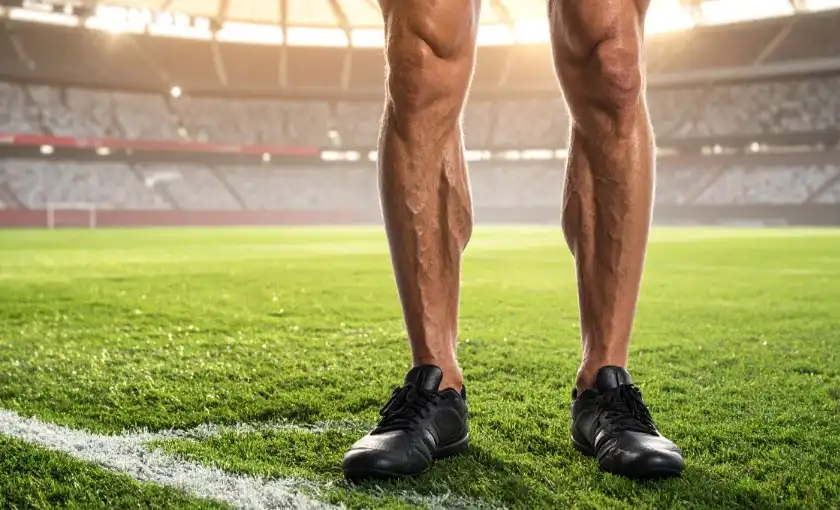
Prominent veins are common in athletes, bodybuilders, runners, cyclists, and other physically active people. After a workout or during hot weather the veins in someone’s arms or legs may look especially raised, wide, or noticeable.
In many cases, this appearance is a normal response to exercise, body composition, and genetics. However, a vein that remains enlarged, twisted, painful, or swollen may be a sign of varicose veins or another venous condition.
So, how can you tell the difference between normal athletic vascularity and a vein problem that should be evaluated?
Are Bulging Veins Normal in Athletes?
Visible or bulging veins can be completely normal in an athlete or physically fit person. Several factors can make veins easier to see, including:
- Lower levels of body fat
- Increased muscle development
- Genetics
- Skin thickness and tone
- Increased blood flow during exercise
- Hot temperatures
- Temporary changes in hydration
Superficial veins sit close to the surface of the skin. When there is less tissue covering them, they naturally become more noticeable.
Exercise also increases the amount of blood moving through active muscles. At the same time, muscle contractions help squeeze nearby veins and move blood back toward the heart. This temporary increase in circulation can cause surface veins to appear fuller during or immediately after physical activity.
Research involving highly active adults found that higher volumes of physical activity were associated with larger lower-limb vein measurements without an accompanying increase in functional discomfort. This suggests that long-term training can influence vein size, although appearance alone cannot determine whether an individual vein is healthy.
Why Do Veins Become More Visible During Exercise?
When you exercise, your muscles need more oxygen and nutrients. Your heart pumps more blood to the active muscles, and blood vessels expand to accommodate the increased circulation.
Veins may temporarily become more noticeable because of:
Increased blood flow
Working muscles require increased circulation. As more blood travels through the limbs, superficial veins can appear wider or more raised.
Muscle contractions
The calf and leg muscles act as a pump. Each contraction helps compress the veins and move blood upward toward the heart.
Heat
Exercise increases body temperature. Blood vessels near the skin widen to help release heat, which can make veins stand out more clearly.
Greater muscle definition
Developed muscles can push superficial veins closer to the skin, especially in athletes with lower levels of tissue covering those veins.
These exercise-related changes are generally more noticeable during activity and may become less prominent after the body cools down and circulation returns to its resting state.
A Timely Example: Visible Veins in Elite Athletes
Prominent leg veins recently became an online talking point after they were noticed on professional soccer player Jude Bellingham during the 2026 World Cup.
In an elite athlete, highly visible veins may be influenced by years of training, muscular development, genetics, body composition, intense physical activity, and hot playing conditions.
However, it is not possible to determine whether someone has a vein condition based only on a photograph or social media post. The example simply demonstrates how dramatic normal athletic vascularity can sometimes appear. At BASS Vein Center, determining whether prominent veins are healthy or related to venous disease typically requires an in-person evaluation and, when appropriate, a diagnostic ultrasound to assess blood flow and vein valve function.
Prominent leg veins in an athlete may reflect training, body composition, exertion, heat, and genetics. An image alone cannot determine whether a vein is healthy or affected by venous disease.
Do Visible Veins Mean You Have Good Circulation?
Not necessarily.
Visible veins do not automatically mean someone has exceptionally good circulation, and they do not automatically indicate poor circulation or vein disease.
The appearance of a person’s veins can be affected by:
- Genetics
- Body composition
- Muscle size
- Exercise intensity
- Temperature
- Age
- Skin characteristics
- Vein anatomy
Symptoms and vein function are more important than appearance alone. A painless vein that becomes more visible during exercise and returns closer to normal afterward is generally less concerning than a permanently enlarged vein accompanied by aching, swelling, or skin changes.
Athlete Veins vs. Varicose Veins
Athletic vascularity and varicose veins can sometimes look similar, but there are important differences.
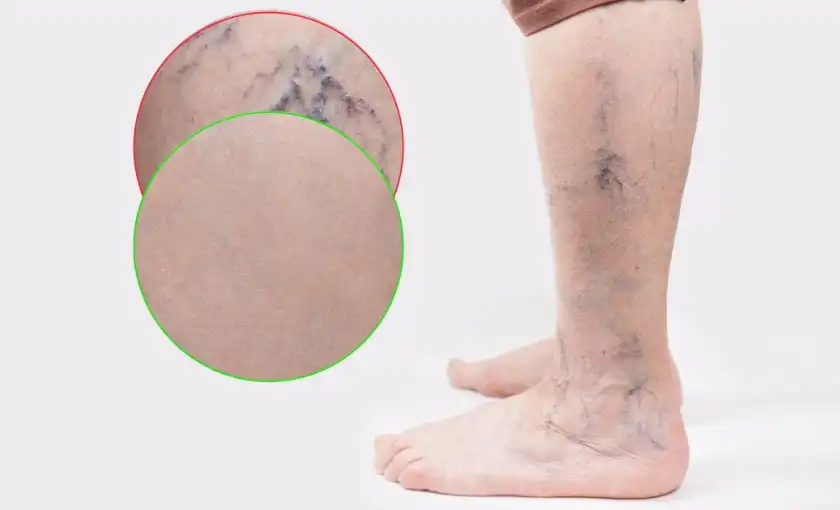
Varicose veins develop when valves inside the veins weaken or stop closing properly. These valves normally help blood move in one direction toward the heart. When they malfunction, blood may move backward and collect inside the vein, causing it to enlarge, twist, or bulge.
Can Fit and Active People Get Varicose Veins?
Yes. Being physically active does not make someone immune to vein disease.
Exercise can support circulation and strengthen the calf muscles that help move blood through the legs. However, athletes can still develop varicose veins because of factors unrelated to fitness level.
Risk factors can include:
- Family history of varicose veins
- Age-related changes in vein valves
- Previous leg injuries
- Previous blood clots
- Pregnancy
- Hormonal changes
- Long periods of standing
- Natural differences in vein structure
An active person may also notice a developing varicose vein earlier because their leg veins are already more visible.
What Symptoms Suggest a Vein Problem?
The appearance of a vein is only one part of the picture. Consider scheduling a vein evaluation if prominent veins are accompanied by:
- Aching or throbbing
- Burning or itching
- A feeling of heaviness or fatigue in the legs
- Swelling around the ankles
- Leg cramps
- Tenderness over a vein
- Skin discoloration
- Dry, irritated, or hardened skin
- Bleeding from a surface vein
- A sore near the ankle that is slow to heal
The National Heart, Lung, and Blood Institute lists aching, heaviness, swelling, itching, burning, skin discoloration, and bulging bluish veins among the potential symptoms of varicose veins.
Symptoms that worsen after standing, sitting, training, or spending a long day on your feet may also justify an evaluation.
When a Painful Vein Needs Prompt Attention
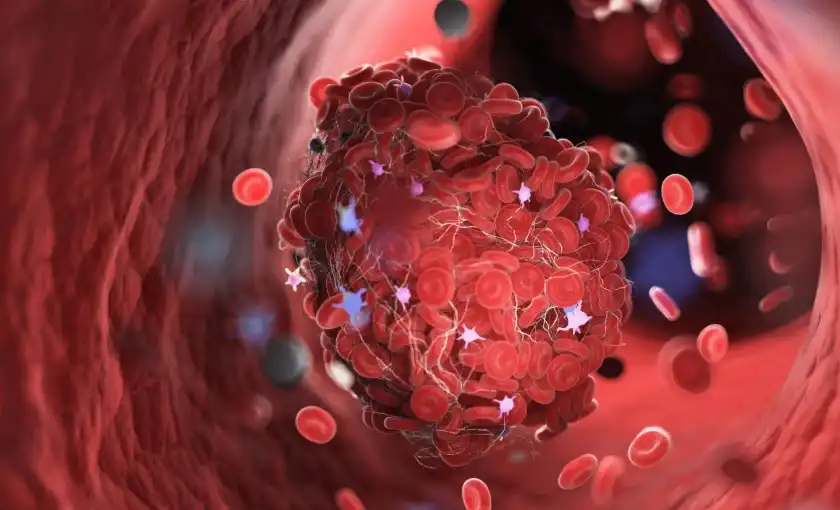
A vein that suddenly becomes hard, warm, red, swollen, or painful should not be assumed to be a normal effect of exercise.
These symptoms may be associated with inflammation or a clot in a surface vein. One-sided leg swelling, warmth, redness, and tenderness can also occur with deep vein thrombosis, or DVT. Because several muscle, skin, and vein conditions can produce similar symptoms, an examination may be necessary to determine the cause.
Seek emergency medical care for:
- Sudden shortness of breath
- Chest pain, particularly pain that worsens with breathing
- Coughing up blood
- Fainting or severe lightheadedness
- A rapid or irregular heartbeat
These can be warning signs of a pulmonary embolism, which occurs when a blood clot travels to the lungs.
Can Blood-Flow Restriction Training Make Veins Bulge?
Blood-flow restriction training, commonly called BFR training, uses specialized cuffs or garments to partially restrict blood leaving a working muscle while exercise is performed with relatively light resistance.
Because blood leaves the limb more slowly while the equipment is tightened, veins may temporarily look fuller or more prominent.
BFR training is not appropriate for everyone and should not be performed using improvised equipment or guessed pressure settings. People with cardiovascular conditions, circulation problems, a history of blood clots, or other relevant health concerns should speak with a qualified healthcare professional before trying it.
Temporary vein prominence during supervised BFR training does not necessarily mean that the person has developed permanent varicose veins.
How Are Bulging Leg Veins Evaluated?
A vein specialist may begin by asking about:
- When the veins first became noticeable
- Whether they change during exercise or rest
- Pain, heaviness, swelling, or skin symptoms
- Family history of vein disease
- Previous injuries, clots, or procedures
- Work, training, and standing habits
The legs may be examined while the patient is standing because gravity can make abnormal veins and swelling easier to identify.
When clinically appropriate, a duplex ultrasound may be performed. This noninvasive test evaluates blood flow and can show whether the valves inside the veins are functioning correctly.
The goal is not simply to determine whether veins are visible. It is to determine whether there is abnormal backward blood flow, obstruction, or another underlying problem.
Do Bulging Veins Need Treatment?
Visible veins do not always need treatment.
A vein that is painless, unchanged, and not causing swelling or skin problems may only require observation. Treatment is more likely to be considered when veins cause symptoms, affect daily activities, produce complications, or create a significant cosmetic concern for the patient.
Depending on the examination and ultrasound findings, treatment options may include:
- Compression therapy
- Regular walking and physical activity
- Leg elevation
- Sclerotherapy
- Radiofrequency ablation
- Endovenous laser treatment
- Medical adhesive treatment (like VenaSeal)
- Ambulatory phlebectomy
Conservative measures such as exercise, leg elevation, and compression stockings may help ease varicose vein symptoms, but the appropriate plan depends on the type of vein involved and the underlying cause.
Should Athletes Be Concerned About Prominent Veins?
Prominent veins are often a normal feature of an athletic body, especially when they:
- Become more noticeable during exercise or heat
- Are soft rather than hard
- Do not cause pain
- Are not surrounded by redness
- Do not cause swelling or heaviness
- Become less noticeable after rest
A professional evaluation is reasonable when veins remain enlarged, become increasingly twisted, or occur with discomfort, swelling, skin changes, or other new symptoms.
You do not have to stop exercising simply because veins are visible. Instead, pay attention to how your legs feel and whether the appearance changes over time.
Schedule a Vein Evaluation
Not sure whether your visible leg veins are related to exercise or an underlying vein condition?
BASS Vein Center evaluates bulging veins, leg pain, swelling, heaviness, and other symptoms at locations throughout the Bay Area. Our vein specialists can examine your legs and use diagnostic ultrasound when appropriate to determine whether treatment is needed.
Schedule a consultation with BASS Vein Center today.
Frequently Asked Questions
Why do athletes have bulging veins?
Athletes may have more visible veins because of lower body fat, greater muscle development, genetics, increased blood flow during exercise, and heat-related widening of surface blood vessels.
Are visible veins a sign that you are healthy?
Visible veins can be normal, but they do not prove that someone has good or poor circulation. Symptoms and vein function provide more useful information than appearance alone.
How can you tell the difference between athlete veins and varicose veins?
Exercise-related veins are usually painless, may become more noticeable temporarily, and often become less prominent after rest. Varicose veins are more likely to remain enlarged or twisted and may cause aching, heaviness, swelling, itching, or skin discoloration.
Can fit people develop varicose veins?
Yes. Genetics, age, pregnancy, previous vein damage, prolonged standing, and faulty vein valves can affect people at any fitness level.
Are bulging veins after exercise dangerous?
Veins that temporarily become prominent during exercise are often normal. Seek medical evaluation if the veins are persistently painful, hard, warm, red, swollen, or accompanied by swelling in one leg.
Should visible veins hurt?
Normal visible veins generally should not cause persistent pain. Pain, tenderness, burning, heaviness, swelling, or skin changes may indicate an underlying vein condition.
Can varicose veins affect athletic performance?
Symptomatic varicose veins may cause aching, heaviness, swelling, fatigue, or discomfort that becomes noticeable during or after training. A vein evaluation can help determine whether the symptoms are related to venous insufficiency.
Note: Coverage varies between insurance plans. Please check with your insurance provider before scheduling. BASS Vein Center will verify your benefits so you understand any out-of-pocket costs ahead of treatment.
Medical Disclaimer: The information provided in this blog is for educational and informational purposes only and is not intended as medical advice, diagnosis, or treatment. BASS Medical Group does not endorse any specific tests, treatments, procedures, or opinions referenced in this content. Individual results may vary. Always consult with your physician or a qualified healthcare provider regarding any medical concerns or before making changes to your health regimen.