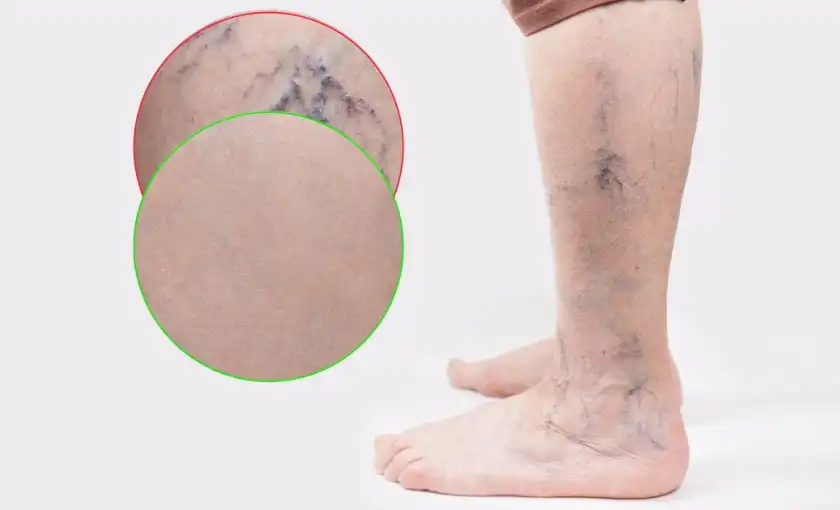

Why a Podiatrist May Refer You to a Vein Specialist (And What It Means for Your Leg Health)
Why Foot Problems Often Start in the Veins
Podiatrists focus on the health of the feet and ankles, but many foot symptoms actually begin higher in the leg. Vein disease can affect circulation, oxygen delivery, and healing, making it a common underlying cause of swelling, pain, skin changes, wounds, and infections seen by podiatrists.
Common Reasons a Podiatrist Refers to a Vein Specialist
A podiatrist may recommend evaluation by a vein specialist when foot or ankle issues are linked to circulation problems. Common referral reasons include chronic swelling, discoloration, non-healing wounds, visible varicose veins, heaviness in the legs, and symptoms that worsen with standing or improve with elevation.
Diabetes and Vein Disease
Patients with diabetes are especially vulnerable to circulation problems. While arterial disease reduces blood flow to the feet, venous disease causes blood to pool in the legs, leading to swelling, skin breakdown, and ulcers. A podiatrist may refer diabetic patients to a vein specialist to improve circulation and reduce the risk of infection or amputation.
Peripheral Artery Disease vs Venous Disease
Podiatrists often screen for peripheral artery disease, but venous disease is equally important and frequently overlooked. PAD affects arteries, while venous insufficiency affects veins. Many patients have symptoms of both, and a vein specialist can determine whether venous reflux is contributing to foot pain, ulcers, or delayed healing.
Non-Healing Wounds and Venous Ulcers
If foot or ankle wounds are slow to heal, venous insufficiency may be preventing proper circulation. Treating the underlying vein problem can significantly improve wound healing and reduce recurrence. This is a common reason podiatrists refer patients for venous evaluation.
How a Vein Specialist Helps
A vein specialist uses ultrasound imaging to evaluate circulation and identify venous reflux or obstruction. Treatments may include compression therapy, minimally invasive vein procedures, or coordinated care with podiatrists to address both foot health and vascular health simultaneously.
Are Vein Referrals Serious
A referral does not mean surgery is required. Many vein conditions are treated conservatively or with minimally invasive in-office procedures. Early evaluation helps prevent progression to more serious complications such as skin breakdown, infection, or chronic ulcers.
Insurance Coverage for Vein Evaluations
Most insurance plans cover vein evaluations and treatments when medically necessary, including symptoms such as swelling, pain, ulcers, or skin changes. Patients can view the most current list of accepted insurance plans on the Insurances We Accept page at BASS Vein Center. Coverage varies by plan, and benefits are always verified prior to treatment.
When to Schedule a Vein Evaluation
If your podiatrist has recommended seeing a vein specialist, scheduling an evaluation promptly can improve healing, reduce symptoms, and protect long-term leg and foot health.
Note: Coverage varies between insurance plans. Please check with your insurance provider before scheduling. BASS Vein Center will verify your benefits so you understand any out-of-pocket costs ahead of treatment.
Medical Disclaimer: The information provided in this blog is for educational and informational purposes only and is not intended as medical advice, diagnosis, or treatment. BASS Medical Group does not endorse any specific tests, treatments, procedures, or opinions referenced in this content. Individual results may vary. Always consult with your physician or a qualified healthcare provider regarding any medical concerns or before making changes to your health regimen.