5 Tips to Relieve Pain Caused by Varicose Veins
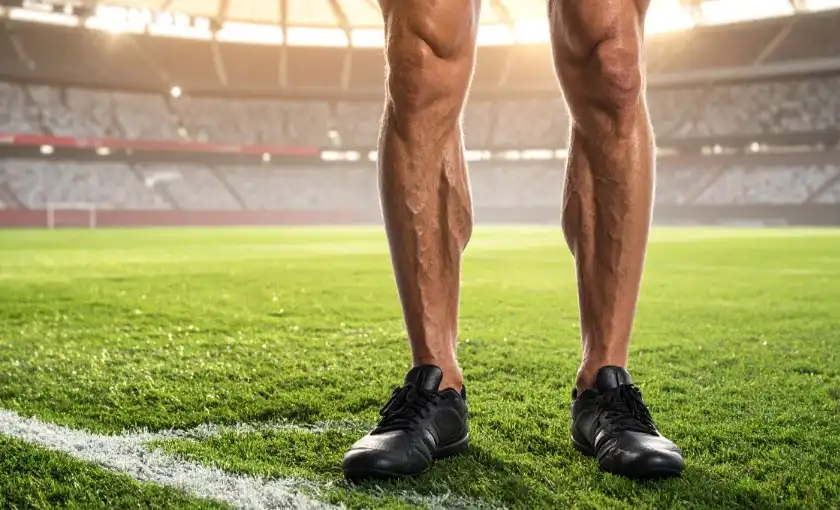
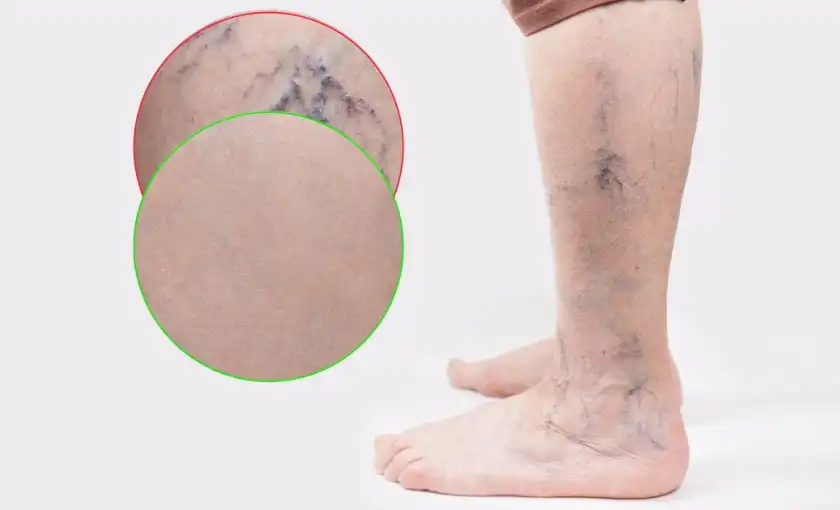
Varicose veins occur when the veins in your legs become enlarged, swollen, or twisted due to poor circulation. These veins often appear blue, purple, or red and are commonly seen in the lower extremities. For many people, varicose veins are more than a cosmetic issue—they can cause pain, heaviness, swelling, cramping, and burning sensations.
Varicose veins affect an estimated 25% of adults, especially older adults, women, and individuals with a family history of venous disease. Fortunately, several simple at-home strategies can help ease discomfort until you receive a formal evaluation from a vein specialist.
What Causes Varicose Veins?
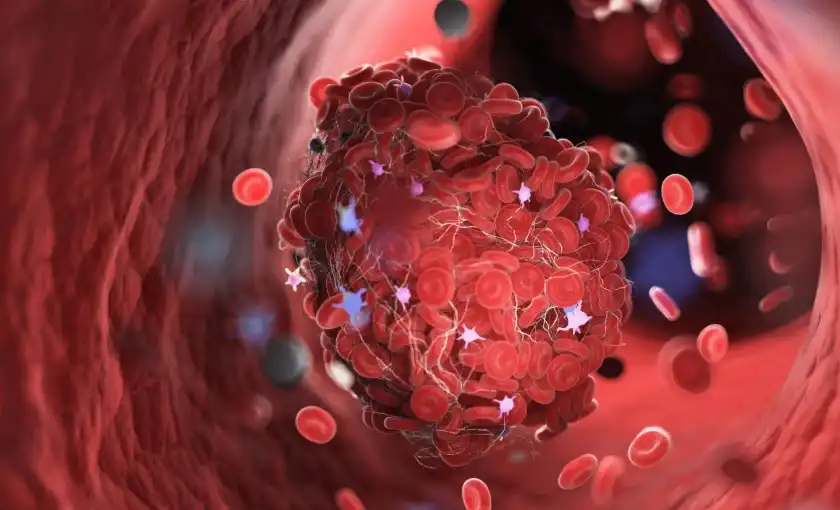
Varicose veins form when the one-way valves inside the veins weaken and no longer push blood efficiently back toward the heart. As blood collects in the veins, pressure increases, causing them to bulge and become painful.
Common risk factors include:
- Age
- Pregnancy
- Menopause
- Family history
- Obesity
- Long periods of sitting or standing
- Lack of physical activity
Because gravity increases pressure in the legs, varicose veins most commonly develop in the calves, ankles, and thighs.
5 Effective Home Remedies to Relieve Varicose Vein Pain
While medical treatment is often required for long-term improvement, these five strategies can help reduce symptoms and improve daily comfort.
1. Stay Hydrated
Proper hydration improves circulation and helps keep blood thinner, making it easier for veins to push blood upward. Drinking enough water throughout the day may reduce cramping, heaviness, and discomfort caused by varicose veins.
2. Keep Your Legs Elevated
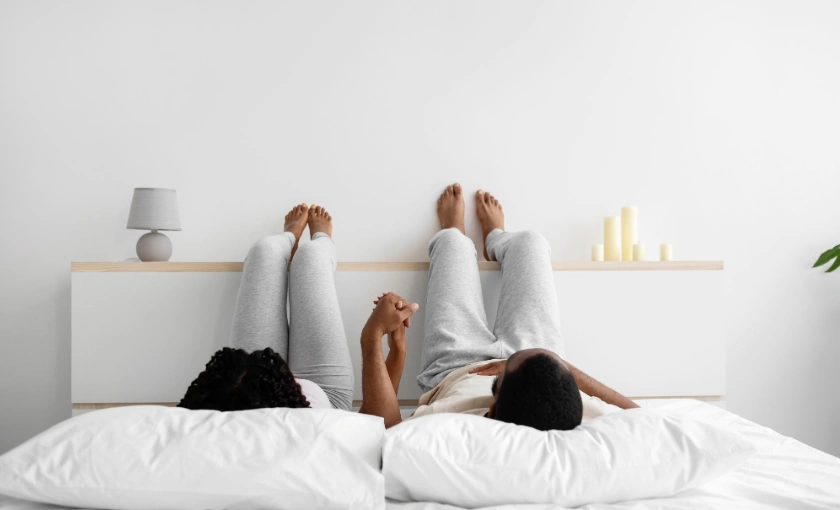
Elevating your legs above your heart for 15-minute intervals can provide quick relief. This position encourages blood to flow out of the lower legs, reduces swelling, and decreases pressure in the veins.
Try:
- Lying on the couch with legs on pillows
- Resting legs against a wall
- Using an adjustable footrest at work
3. Do Leg Stretches and Gentle Exercise
Movement activates the calf muscles, which serve as a natural “pump” for the veins. Simple daily exercises can significantly reduce symptoms.
Try:
- Ankle flexes
- Calf raises
- Walking breaks every hour
- Gentle yoga or stretching
If you stand all day, take sitting breaks. If you sit all day, take standing or walking breaks.
4. Soak Your Legs in Cold Water
Cold water causes blood vessels to constrict, which can temporarily relieve swelling, heaviness, and soreness. A quick cold soak or cold compress can also calm burning or throbbing sensations.
5. Avoid Tight Clothing and High Heels
High heels limit ankle movement, which reduces calf-muscle pumping and increases vein pressure. Tight clothing—especially around the waist, groin, or legs—can restrict circulation and worsen symptoms.
Choose:
- Low-heeled shoes
- Comfortable clothing
- Compression stockings (if recommended by your specialist)
Find Varicose Vein Treatment Near Me
If your varicose veins are causing significant pain or affecting your quality of life, professional treatment may be needed. At BASS Vein Center, our specialists diagnose venous disease and offer personalized treatment options to help you feel better and restore proper vein function.
Call 925-477-3030 to schedule a consultation and learn more about your treatment options.
FAQs
1. Can varicose vein pain go away on its own?
Symptoms may improve temporarily with elevation, hydration, and movement, but underlying venous insufficiency usually requires medical treatment.
2. What’s the best position to relieve varicose vein pain?
Lying down with legs elevated above the heart reduces pressure and swelling quickly.
3. Do compression stockings help with pain?
Yes. Compression stockings support veins, improve blood flow, and reduce aching and swelling.
4. When should I see a specialist for varicose veins?
If you experience constant pain, swelling, skin discoloration, or visible bulging veins, you should schedule an evaluation.
References
- National Heart, Lung, and Blood Institute (NHLBI). Varicose Veins Overview. https://www.nhlbi.nih.gov/health/varicose-veins
- Johns Hopkins Medicine. Self-Care and Treatment for Varicose Veins. https://www.hopkinsmedicine.org/health/conditions-and-diseases/varicose-veins
- Stanford Medicine. Elevation of the Legs for Varicose Veins. https://stanfordhealthcare.org/medical-conditions/blood-heart-circulation/varicose-veins/treatments/elevation-legs.html
- NCBI Bookshelf. Venous Insufficiency. https://www.ncbi.nlm.nih.gov/books/NBK430975/
- Cleveland Clinic. How To Improve Blood Circulation. https://health.clevelandclinic.org/how-to-improve-blood-circulation-naturally
Note: Coverage varies between insurance plans. Please check with your insurance provider before scheduling. BASS Vein Center will verify your benefits so you understand any out-of-pocket costs ahead of treatment.
Medical Disclaimer: The information provided in this blog is for educational and informational purposes only and is not intended as medical advice, diagnosis, or treatment. BASS Medical Group does not endorse any specific tests, treatments, procedures, or opinions referenced in this content. Individual results may vary. Always consult with your physician or a qualified healthcare provider regarding any medical concerns or before making changes to your health regimen.