Can Spider Veins Become Varicose Veins?
Spider veins are tiny, visible veins that appear red, blue, or purple and tend to branch across the legs or face. Many people seek treatment for cosmetic reasons, while others worry these small veins may eventually turn into varicose veins. Understanding the difference between the two can help you make informed decisions about your vein health.
Below, we break down what spider veins really mean, whether they can worsen, and when you should see a vein specialist.
What Exactly Are Spider Veins?
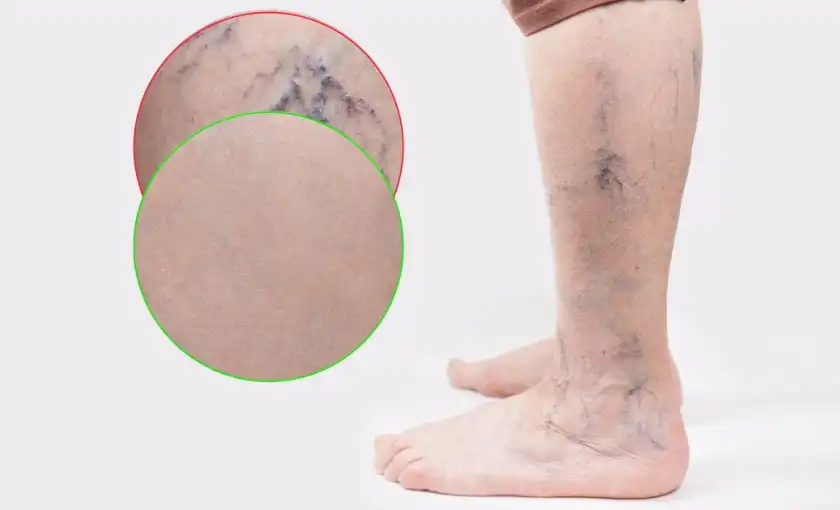
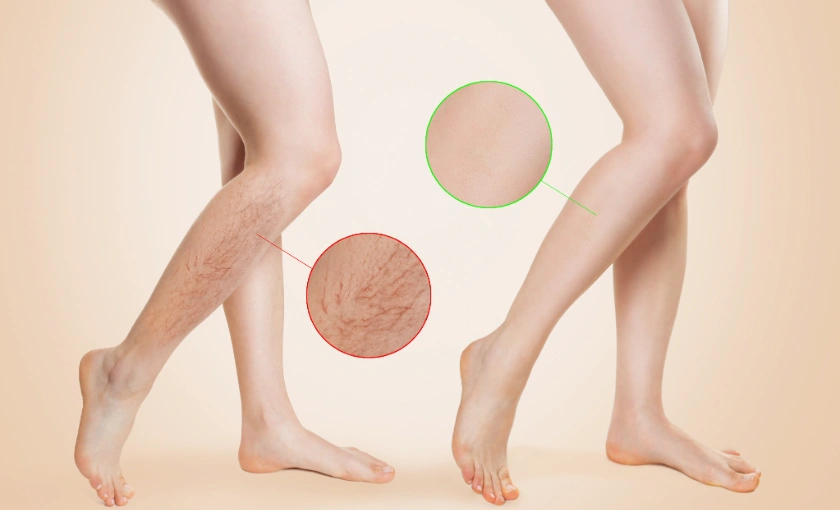
Spider veins (telangiectasias) are small, superficial blood vessels that become enlarged and visible through the skin. They often look like thin lines, webs, or branches. While they typically do not cause pain, many people find them bothersome or unsightly.
Why they form:
- Weak or damaged vein valves (venous insufficiency)
- Genetics
- Aging
- Pregnancy
- Hormonal changes
- Prolonged standing or sitting
- Sun damage (especially facial spider veins)
- Increased pressure in the tiny veins
Spider veins are usually harmless, but they can also signal early circulation issues in the legs.
Can Spider Veins Turn Into Varicose Veins?
Short answer: No — spider veins do not become varicose veins.
However, this is where most people get confused:
Spider veins and varicose veins share the same root cause: venous insufficiency.
When vein valves weaken, blood can pool and create both types of veins — they just appear differently.
Varicose veins can actually cause spider veins.
The increased venous pressure from deeper, failing veins can push blood into smaller surface vessels, causing spider veins to form.
Having spider veins may indicate a higher risk of varicose veins.
They’re often an early sign that circulation in the legs is changing.
So while spider veins do not “turn into” varicose veins, they can both be part of the same condition.
How to Know If Spider Veins Are a Bigger Issue
Spider veins themselves aren’t dangerous, but you should watch for these symptoms:
- New or worsening leg aching
- Swelling in the ankles or calves
- Feeling of heaviness or fatigue in the legs
- Nighttime leg cramps
- Restless legs
- Itching around the veins
- Bulging or ropelike veins (varicose veins)
These can indicate chronic venous insufficiency (CVI), a progressive condition that can worsen without treatment.
Treatment Options for Spider Veins
You don’t have to live with visible veins. Modern treatment is fast, effective, and minimally invasive.
Most common treatments:
- Sclerotherapy – the gold standard for spider veins
- Laser therapy – best for small veins or facial veins
- Radiofrequency or laser ablation – treats underlying venous reflux
- VenaSeal™ – medical adhesive used for larger, diseased veins
- Lifestyle modifications – compression stockings, leg elevation, exercise
A vein specialist can determine whether your spider veins are purely cosmetic or linked to deeper venous disease.
When to See a Specialist
If you notice spider veins along with pain, swelling, heaviness, or new varicose veins, it’s best to get a professional evaluation.
Early treatment prevents symptoms from worsening and can reduce the risk of developing varicose veins or venous ulcers.
Get Expert Vein Care at BASS Vein Center
Whether you want spider veins removed or want to prevent more serious vein problems, our specialist team can help. We offer advanced, minimally invasive treatments with little to no downtime.
Call BASS Vein Center at (925) 477-3030 or schedule a consultation today.
Note: Coverage varies between insurance plans. Please check with your insurance provider before scheduling. BASS Vein Center will verify your benefits so you understand any out-of-pocket costs ahead of treatment.
Medical Disclaimer: The information provided in this blog is for educational and informational purposes only and is not intended as medical advice, diagnosis, or treatment. BASS Medical Group does not endorse any specific tests, treatments, procedures, or opinions referenced in this content. Individual results may vary. Always consult with your physician or a qualified healthcare provider regarding any medical concerns or before making changes to your health regimen.