
Can Vinegar Help With Varicose Veins?
Vinegar and Varicose Veins: What’s the Connection?
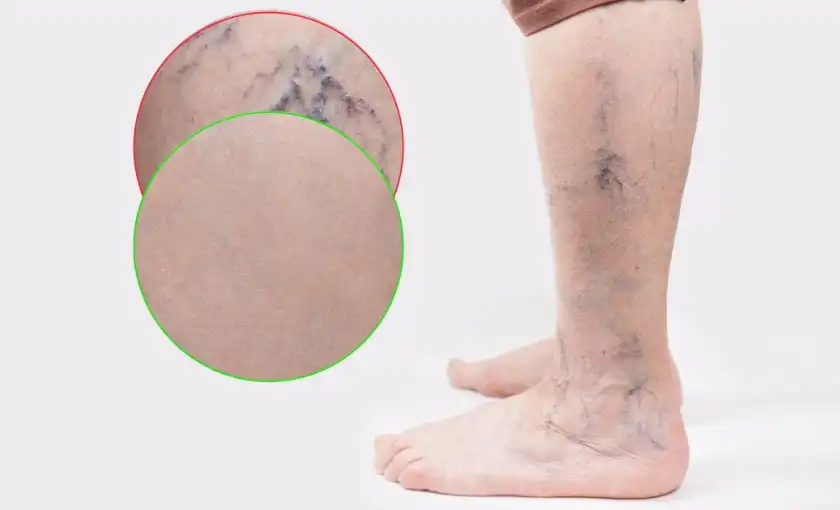
Varicose veins occur when the valves inside leg veins weaken, allowing blood to pool and veins to bulge. This leads to swelling, heaviness, aching, and visible purple or blue veins that can affect both comfort and appearance.
It’s common to see advice online claiming that vinegar—especially apple cider vinegar (ACV)—can reduce or even “cure” varicose veins. While vinegar may temporarily ease some discomfort, it does not fix or reverse the underlying valve damage that causes varicose veins.
Let’s break down what vinegar can and cannot do.
How Vinegar May Help Ease Varicose Vein Symptoms
Vinegar, particularly apple cider vinegar, has long been used as a natural remedy thanks to its main ingredient, acetic acid. This compound has mild anti-inflammatory and astringent (tissue-tightening) properties. When applied topically, it may:
- Temporarily reduce swelling and inflammation
- Stimulate surface blood flow for mild relief
- Leave skin feeling refreshed or toned
These effects can make the skin around varicose veins feel less heavy or irritated — but the relief is temporary. Vinegar does not close or heal damaged veins.
Helpful for: Mild swelling, heaviness, or tired legs
Not effective for: Repairing vein valves or eliminating varicose veins
How to Use Vinegar Safely
If you’d like to try vinegar as a comfort measure, here are safe ways to do so:
1. Topical Application
- Mix 1 part apple cider vinegar with 2 parts water to dilute.
- Apply to the legs with a cotton ball or soft cloth.
- Gently massage for a few minutes, then rinse after 20–30 minutes.
Never apply undiluted vinegar — it can irritate or burn your skin.
2. Vinegar Soak
Add 1–2 cups of apple cider vinegar to a warm bath. Soak for 15–20 minutes to promote relaxation and improve surface circulation.
3. Drinking Apple Cider Vinegar
Some people drink a teaspoon or tablespoon of ACV diluted in water daily. While this is safe for most people, there’s no clinical proof that drinking vinegar improves vein health or circulation.
What Vinegar Can’t Do
Despite what some online sources claim, vinegar cannot shrink, seal, or remove varicose veins.
Only medical vein treatments can correct the faulty valves or close diseased veins. Vinegar may offer short-term comfort but does not stop the progression of vein disease.
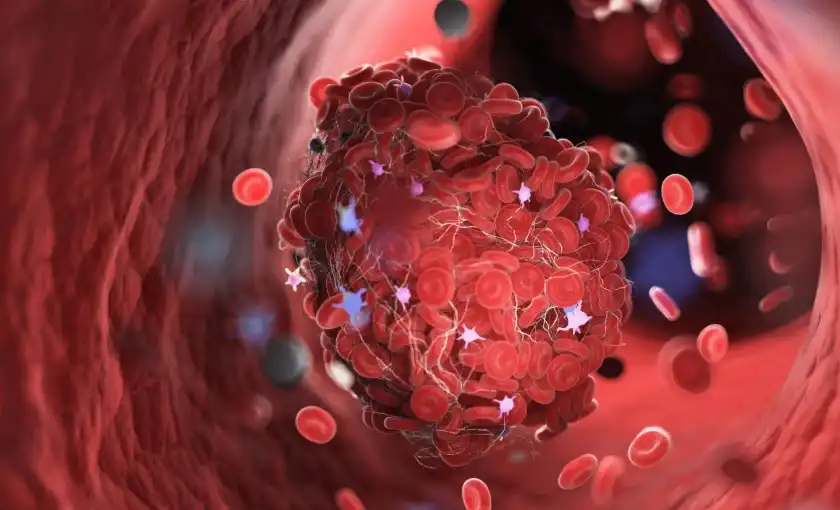
If your symptoms include swelling, pain, discoloration, or visible bulging veins, it’s important to see a vein specialist. Ignoring vein issues may lead to complications such as chronic venous insufficiency or blood clots (DVT).
When to Seek Medical Care for Varicose Veins
Schedule a medical evaluation if you experience:
- Persistent pain, heaviness, or throbbing in your legs
- Swelling or redness that doesn’t improve
- Skin discoloration, ulcers, or bleeding veins
- A warm spot or sudden swelling, which could indicate a clot
These are signs that home care alone isn’t enough.
At BASS Vein Center, our board-certified specialists offer advanced, minimally invasive treatments such as:
- Radiofrequency Ablation
- VenaSeal™ Closure System
- Sclerotherapy
- Ambulatory Phlebectomy
These procedures directly address the root cause of varicose veins and provide long-lasting relief — safely and effectively.
Frequently Asked Questions
1. Does apple cider vinegar help varicose veins go away?
No. Vinegar may temporarily ease discomfort or swelling, but it cannot heal or remove varicose veins. Only medical procedures can correct the damaged veins.
2. Is it safe to apply vinegar to the skin?
Yes, if diluted properly. Always mix vinegar with water before applying and avoid using it on open skin or sores.
3. What’s the best way to actually fix varicose veins?
Consult a vein specialist. Treatments like sclerotherapy, ablation, or VenaSeal™ close faulty veins and restore healthy blood flow.
Note: Coverage varies between insurance plans. Please check with your insurance provider before scheduling. BASS Vein Center will verify your benefits so you understand any out-of-pocket costs ahead of treatment.
Medical Disclaimer: The information provided in this blog is for educational and informational purposes only and is not intended as medical advice, diagnosis, or treatment. BASS Medical Group does not endorse any specific tests, treatments, procedures, or opinions referenced in this content. Individual results may vary. Always consult with your physician or a qualified healthcare provider regarding any medical concerns or before making changes to your health regimen.