Exercise and Vein Health: Best Workouts for Varicose Veins and Circulation
Does Exercise Help Varicose Veins?
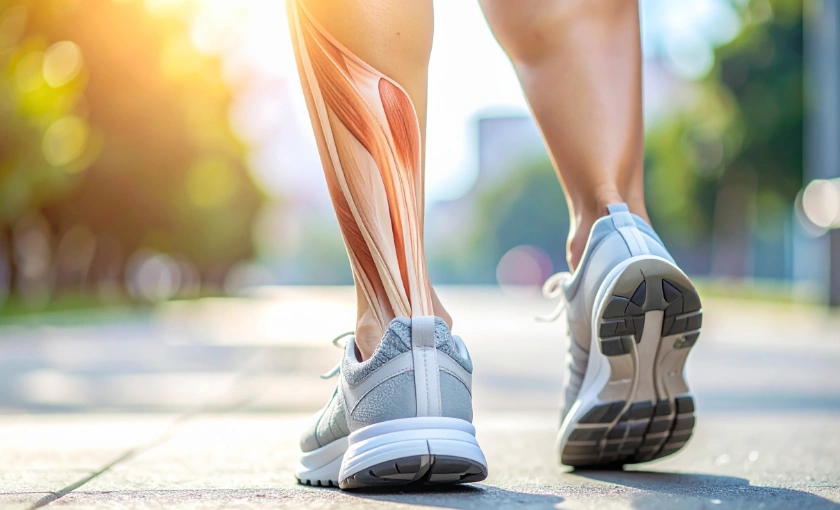
Yes—exercise can help improve circulation and reduce symptoms linked to vein disease, especially leg heaviness, swelling, and fatigue. Movement activates the “calf muscle pump,” which helps push blood upward through the leg veins toward the heart. For many people, consistent low-impact activity is one of the most effective lifestyle habits for supporting vein health.
However, it is important to know the limits: exercise can improve symptoms and support circulation, but it cannot repair damaged vein valves. If you have chronic venous insufficiency or significant varicose veins, exercise is often helpful, but it may not fully resolve the underlying cause without medical treatment.
Why Exercise Supports Vein Health
Leg veins move blood against gravity. When vein valves weaken, blood can pool in the legs and increase pressure in the veins. Exercise helps by:
- Activating leg muscles that assist venous return
- Reducing leg swelling through improved circulation
- Supporting healthy weight, which lowers pressure on leg veins
- Improving overall cardiovascular fitness and circulation
If your legs feel heavy at the end of the day, or swelling worsens after long periods of sitting or standing, increasing safe movement is often a practical first step.
The Best Exercises for Varicose Veins and Circulation
Walking
Walking is one of the best exercises for vein health because it rhythmically engages the calf muscles without high impact. Many patients benefit from short walks throughout the day, especially if they sit or stand for work.
Swimming and Water Aerobics
Water provides gentle natural compression and reduces joint stress. Swimming and water exercise can be especially helpful if you experience swelling, discomfort, or mobility limitations.
Cycling or Stationary Bike
Cycling keeps the legs moving and supports circulation with minimal impact. A stationary bike can be an excellent option for consistent daily movement.
Low-Impact Strength Training
Strength training can support vein health by improving muscle tone, but it should be done with proper breathing and moderation. Focus on controlled movements and avoid holding your breath during heavy lifts.
Exercises to Be Cautious With (If You Have Vein Symptoms)
Most people can exercise safely, but certain workouts may worsen symptoms for some individuals—especially if you already have significant varicose veins or chronic venous insufficiency.
Use caution with:
- Heavy lifting with breath-holding (can spike pressure in your veins)
- High-impact jumping routines if they worsen pain or swelling
- Hot yoga or workouts in high heat, which can increase vein dilation
If an activity consistently increases throbbing, swelling, or heaviness afterward, scale back and choose a lower-impact alternative.
Tips to Exercise More Comfortably If You Have Varicose Veins
If you have visible varicose veins or symptoms such as swelling or heaviness, these strategies can make exercise more comfortable:
- Start with shorter sessions and build gradually
- Walk or move more frequently throughout the day (not just one long workout)
- Consider compression stockings if recommended by your provider
- Elevate your legs after long days on your feet
- Stay hydrated and avoid excessive heat exposure
When Exercise Isn’t Enough
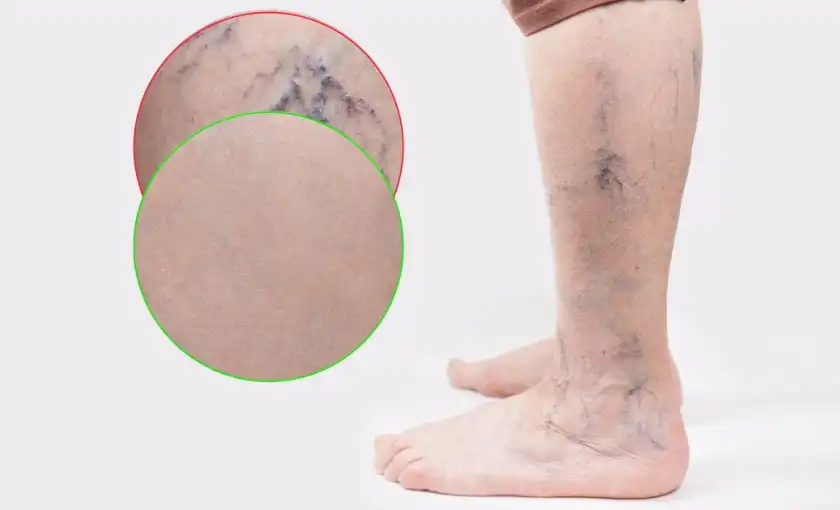
If you have symptoms that persist despite regular movement—such as ongoing swelling, skin discoloration near the ankles, or worsening varicose veins—exercise alone may not be enough. These can be signs of underlying valve dysfunction that requires evaluation.
A vein ultrasound can determine whether symptoms are caused by chronic venous insufficiency and which treatment options are most appropriate.
When to See a Vein Specialist
If you experience leg heaviness, swelling, aching, visible varicose veins, or skin changes, a vein evaluation can clarify what is happening and what will actually help—whether that is lifestyle changes, compression, minimally invasive treatment, or a combination.
At BASS Vein Center, our specialists evaluate circulation with ultrasound and recommend a plan that fits your symptoms, lifestyle, and goals. To schedule a consultation, call 925-477-3030.
Note: Coverage varies between insurance plans. Please check with your insurance provider before scheduling. BASS Vein Center will verify your benefits so you understand any out-of-pocket costs ahead of treatment.
Medical Disclaimer: The information provided in this blog is for educational and informational purposes only and is not intended as medical advice, diagnosis, or treatment. BASS Medical Group does not endorse any specific tests, treatments, procedures, or opinions referenced in this content. Individual results may vary. Always consult with your physician or a qualified healthcare provider regarding any medical concerns or before making changes to your health regimen.