Why Do My Legs Feel Heavy or Swollen in Winter?
When colder weather arrives, daily routines often change along with it.
You may walk less, spend more time sitting indoors, take longer car trips during the holidays, or simply move less throughout the day.
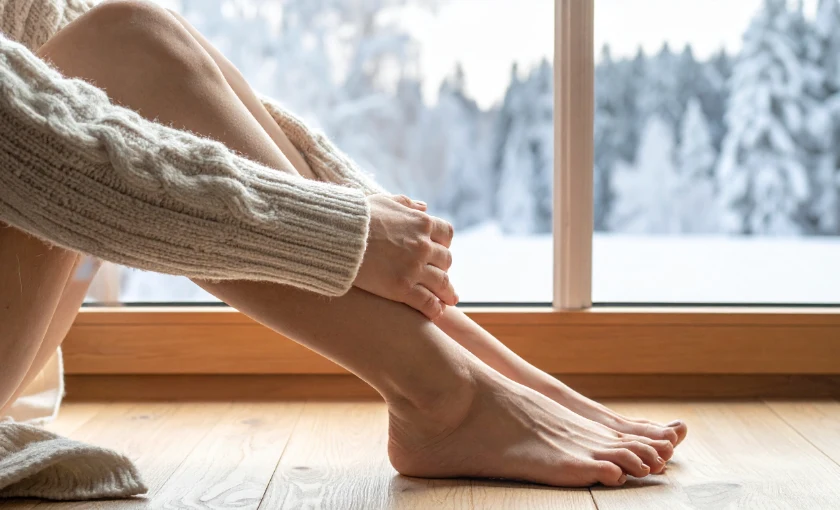
If your legs begin feeling unusually heavy, tired, or swollen during this time, it is easy to blame the cold.
But winter itself is not necessarily causing the swelling.
For some people, seasonal changes in activity can make an underlying circulation problem more noticeable. Leg heaviness and swelling are also common symptoms of chronic venous insufficiency, a condition in which the veins have difficulty efficiently returning blood from the legs toward the heart.
The key is understanding whether your symptoms are temporary or whether your legs may be telling you something about your circulation.
Why Do Legs Feel Heavy?
A heavy feeling in the legs can have many causes.
When the problem is related to your veins, it often involves how efficiently blood is moving back toward the heart.
Veins in the legs contain one-way valves that help keep blood moving upward against gravity. When those valves become weakened or damaged, some blood can flow backward and collect in the lower legs.
This is known as venous reflux and can contribute to chronic venous insufficiency.
As pressure builds in the leg veins, symptoms can include:
- Heaviness or tiredness
- Aching
- Ankle or lower-leg swelling
- Throbbing or burning
- Cramping
- Itching
- Visible varicose veins
The Society for Vascular Surgery identifies heaviness, swelling, pain, varicose veins, and skin changes among the common symptoms of chronic venous insufficiency.
Why Might My Legs Feel Worse During Winter?
For many people, the more important winter change is not temperature. It is movement.
Cold, rain, shorter days, and spending more time indoors can all lead to less walking and longer periods of sitting.
That matters because movement helps your leg veins work.
Every time you walk, muscles in your calves contract and squeeze the veins in your lower legs. This calf muscle pump helps push blood upward toward the heart.
When you spend long periods sitting or standing relatively still, that pumping action is reduced.
Chronic venous insufficiency commonly causes lower-leg and ankle swelling, particularly after standing for a while or later in the day. It also emphasizes the importance of the calf muscle pump in returning blood toward the heart.
So if your winter routine means less movement than usual, symptoms from an existing vein problem may become easier to notice.
Can Sitting More Cause My Legs to Swell?
It can contribute.
When you sit for a long period without moving your legs much, gravity encourages blood and fluid to remain in the lower body.
For someone whose veins already have difficulty moving blood upward, prolonged sitting can make swelling or heaviness more noticeable.
Aching after prolonged sitting or standing can be associated with fluid buildup from chronic venous disease.
This can be particularly relevant during winter when you may spend more time:
- Sitting at a desk
- Relaxing indoors
- Driving longer distances
- Traveling by plane
- Attending events where you remain seated for extended periods
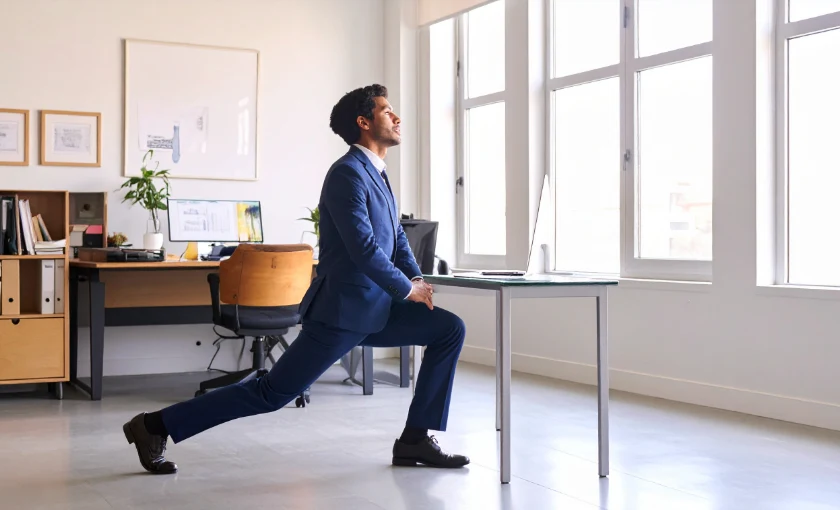
Getting up periodically and walking allows the calf muscles to begin pumping again.
Why Do My Ankles Swell by the End of the Day?
Gravity plays an important role.
During the day, your leg veins continuously work to move blood upward toward the heart. If the valves in those veins are not working efficiently, blood and fluid can collect in the lower legs.
This is why venous swelling often becomes more noticeable around the ankles and lower legs and may be worse later in the day.
Cleveland Clinic lists lower-leg and ankle edema, especially after prolonged standing or toward the end of the day, as a common symptom of chronic venous insufficiency.
Some people may also notice that:
- Socks leave deeper marks around the ankles
- Shoes feel tighter later in the day
- Their lower legs feel full or heavy
- Swelling improves after sleeping or elevating the legs
These patterns can be useful information to share with a healthcare provider.
Could Varicose Veins Be Causing the Heaviness or Swelling?
Yes.
Varicose veins are enlarged veins that develop when weakened valves allow blood to pool instead of efficiently moving toward the heart.
They do not always cause symptoms.
When they do, symptoms may include an achy or heavy feeling, burning, throbbing, cramping, and swelling in the lower legs. Symptoms can also worsen after sitting or standing for a long time.
Visible varicose veins can therefore be one clue that heavy or swollen legs may be related to venous circulation.
But you do not need to have large visible varicose veins to have chronic venous insufficiency.
That is one reason persistent symptoms may deserve evaluation even if the veins on your legs do not look particularly unusual.
Is All Leg Swelling a Vein Problem?
No.
Leg swelling, also called edema, can have many causes.
Some are relatively minor, while others require medical evaluation.
Possible contributors include:
- Sitting or standing in one position for too long
- High sodium intake
- Certain medications
- Pregnancy
- Venous insufficiency
- Lymphedema
- Heart conditions
- Kidney or liver disease
- Blood clots
- Other medical conditions
Mild edema can result from prolonged sitting and higher sodium intake, while venous insufficiency and several medical conditions can also cause swelling.
This is why swelling that is new, persistent, unexplained, or getting worse should not automatically be blamed on winter or varicose veins.
Can Holiday Travel Make Leg Swelling Worse?
It can.
Long flights and road trips can mean spending several hours with your legs relatively still.
That can contribute to temporary swelling and heaviness because the calf muscles are not contracting as frequently.
During long periods of travel, moving your legs and getting up periodically when it is safe to do so can help maintain circulation.
People with a history of blood clots or other significant risk factors should ask their healthcare provider whether additional precautions are appropriate before prolonged travel.
New swelling or pain in one leg after a long period of sitting deserves particular attention because a blood clot is one possible cause.
Does Walking Help Heavy or Swollen Legs?
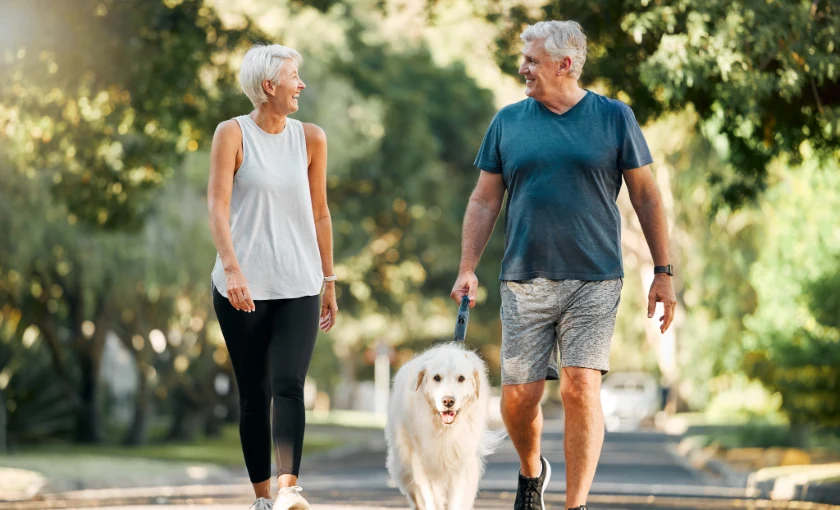
For symptoms related to venous circulation, walking can help.
Each step activates the calf muscles and helps move blood upward through the leg veins.
Walking will not repair damaged vein valves or eliminate an existing varicose vein, but regular movement can help reduce long periods of blood pooling in the legs.
You also do not need to take a long outdoor walk in cold weather to keep moving.
Options can include:
- Walking indoors
- Taking brief movement breaks at work
- Walking during the warmer part of the day
- Moving your ankles and lower legs while seated
- Breaking up long periods of sitting with short walks
The important part is regular movement, not necessarily where it happens.
Can Elevating My Legs Help With Swelling?
It may.
Elevating the legs can allow gravity to assist blood and fluid moving out of the lower legs.
For people with chronic venous insufficiency, it is often recommended to elevate legs when sitting and do exercise and avoiding prolonged periods of sitting or standing.
If your legs tend to feel heavier or more swollen later in the day, you may notice some relief after resting with them elevated.
However, repeatedly swollen legs still deserve evaluation if the cause is unknown.
What About Compression Stockings?
Compression stockings can help some people with chronic venous insufficiency or symptomatic varicose veins.
They apply controlled pressure to the legs, helping reduce blood pooling and supporting venous return.
Compression therapy can help relieve swelling and discomfort associated with chronic venous insufficiency.
But compression is not appropriate for everyone.
People with certain arterial circulation problems may need to avoid compression or use a specific type. Rather than simply choosing the strongest stocking available, ask a healthcare professional whether compression is appropriate and what level you may need.
When Should Heavy or Swollen Legs Be Evaluated?
An occasional heavy feeling after a long day may not necessarily signal a serious problem.
But consider having your circulation evaluated if you regularly experience:
- Persistent leg heaviness or aching
- Recurring ankle or lower-leg swelling
- Visible varicose veins along with symptoms
- Burning or itching around the veins
- Skin discoloration near the ankles
- Thickening or irritation of the skin
- Symptoms that worsen after prolonged sitting or standing
- A wound or sore that is slow to heal
These symptoms can occur with chronic venous insufficiency, which can progress over time if the underlying circulation problem is significant.
When Is Leg Swelling More Urgent?
Sudden swelling is different from the gradual heaviness or swelling often associated with chronic venous disease.
Seek prompt medical attention for new significant swelling, pain, warmth, or discoloration in one leg, particularly when the symptoms develop suddenly or after prolonged immobility.
These symptoms can have several causes, including deep vein thrombosis, or DVT.
Mayo Clinic advises medical evaluation for persistent leg pain and swelling after prolonged sitting, especially when symptoms occur on only one side.
Seek emergency care for symptoms such as chest pain, sudden shortness of breath, fainting, or coughing up blood.
Frequently Asked Questions About Heavy and Swollen Legs
Why do my legs feel heavy at the end of the day?
Leg heaviness later in the day can occur when blood and fluid collect in the lower legs. Chronic venous insufficiency is one possible cause, particularly when heaviness occurs with swelling, aching, visible varicose veins, or symptoms that worsen after prolonged sitting or standing.
Can cold weather cause swollen legs?
Cold weather itself is not usually the direct cause of swollen legs. However, winter may lead to less walking and longer periods of sitting, which can make swelling or heaviness more noticeable in people with an underlying venous circulation problem.
The Bottom Line: Don't Automatically Blame Winter
Heavy or swollen legs during the colder months may have less to do with the temperature and more to do with changes in your routine or an underlying circulation problem.
Less walking and longer periods of sitting can reduce the calf-muscle activity that normally helps move blood out of the legs.
But persistent swelling, aching, heaviness, skin changes, or other symptoms should not simply be dismissed as seasonal.
BASS Vein Center can evaluate your leg circulation and determine whether varicose veins, venous reflux, or chronic venous insufficiency may be contributing to your symptoms.
If heavy, swollen, or uncomfortable legs are becoming a regular part of your day, schedule an evaluation with BASS Vein Center.
Note: Coverage varies between insurance plans. Please check with your insurance provider before scheduling. BASS Vein Center will verify your benefits so you understand any out-of-pocket costs ahead of treatment.
Medical Disclaimer: The information provided in this blog is for educational and informational purposes only and is not intended as medical advice, diagnosis, or treatment. BASS Medical Group does not endorse any specific tests, treatments, procedures, or opinions referenced in this content. Individual results may vary. Always consult with your physician or a qualified healthcare provider regarding any medical concerns or before making changes to your health regimen.