Can Walking Help Varicose Veins? What Exercise Can and Can’t Do
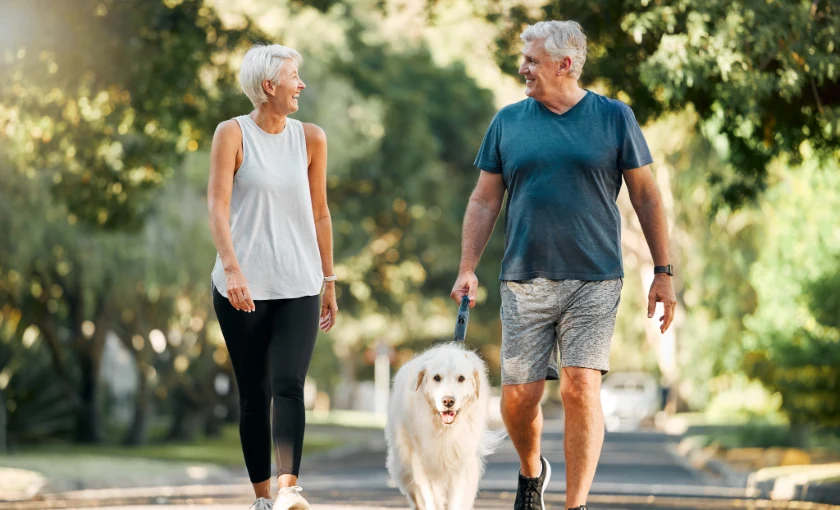
If your legs feel heavy or achy after sitting or standing for a long time, going for a walk may actually help.
Walking is one of the simplest ways to support circulation in the legs because every step activates muscles that help move blood upward toward the heart.
For people with varicose veins, that can be useful.
But there is an important distinction:
Walking can help circulation and may reduce some varicose vein symptoms, but it cannot make an existing varicose vein disappear or repair a damaged vein valve.
That does not make exercise unimportant. Regular movement is an important part of managing vein health, particularly for people who spend much of the day sitting or standing in one place.
Why Do Varicose Veins Develop?
Veins carry blood back toward the heart.
Because the veins in your legs are working against gravity, they contain one-way valves that help prevent blood from flowing backward.
When those valves become weakened or damaged, blood can begin pooling in the vein. Pressure inside the vein increases, causing it to stretch, enlarge, and sometimes become twisted or raised beneath the skin.
That is how many varicose veins develop.
They may cause no symptoms at all, or they can be associated with:
- Aching
- Heaviness
- Throbbing
- Swelling
- Burning
- Itching
- Leg fatigue
- Discomfort after sitting or standing for long periods
Varicose veins can also be one sign of chronic venous insufficiency, a condition in which the veins have difficulty efficiently returning blood from the legs toward the heart.
How Does Walking Help Your Leg Veins?
Your heart is not doing all the work when it comes to moving blood out of your legs.
The muscles in your calves also play an important role.
Each time you take a step, your calf muscles contract and squeeze the veins running through your lower legs. That pressure helps push blood upward toward the heart.
This is sometimes described as the “second heart” or calf muscle pump because movement of the lower legs helps venous blood overcome gravity.
When you sit still for long periods, this pumping action is much less active.
Walking gets it working again.
That is one reason organizations such as the Society for Vascular Surgery include walking and regular exercise among lifestyle measures commonly recommended for people with varicose veins and chronic venous insufficiency.
Can Walking Reduce Varicose Vein Symptoms?
It can help some people.
Walking may temporarily improve circulation in the legs and can help with symptoms such as:
- Heaviness
- Aching
- Mild swelling
- Tired legs
- Discomfort associated with long periods of sitting or standing
Mayo Clinic recommends regular exercise, particularly walking, as one of the self-care measures that can help improve blood flow in the legs and ease varicose vein discomfort.
The benefit comes primarily from keeping the calf muscles moving and limiting long periods when blood can pool in the lower legs.
Walking may be especially useful if your routine involves sitting at a desk for hours, standing in one place for work, or otherwise going long stretches without much leg movement.
Can Exercise Get Rid of Varicose Veins?
No.
This is an important distinction because advice online sometimes suggests that certain exercises can “fix,” “reverse,” or “cure” varicose veins.
Exercise cannot repair a vein valve that is no longer functioning properly, and it cannot make an established varicose vein disappear.
Exercise can support the surrounding circulation and may make your legs feel better, but the underlying vein remains.
There is no exercise that causes existing varicose veins to disappear. Medical treatments may be needed when someone wants to close or remove problematic veins.
Those treatments may include procedures such as VenaSeal or endovenous ablation, depending on the type of vein and the underlying problem.
Does That Mean Exercise Doesn't Matter?
Not at all.
There is a significant difference between treating an existing damaged vein and supporting the way blood moves through your legs overall.
Exercise can help by:
- Activating the calf muscle pump
- Encouraging blood to move out of the lower legs
- Reducing long periods of inactivity
- Supporting cardiovascular health
- Helping maintain mobility and leg-muscle function
Regular physical activity is also one part of managing some of the factors associated with chronic venous disease.
So while walking does not erase the vein you already have, it can still play an important role in managing symptoms and supporting overall circulation.
How Much Walking Do You Need?
You do not need to walk for miles at a time to activate your calf muscles.
For someone who spends most of the day sitting, short periods of movement throughout the day can be valuable.
That might mean getting up periodically to walk around the office, taking a short walk after lunch, walking around your neighborhood, or simply breaking up long periods of sitting.
Your appropriate activity level depends on your general health, mobility, and other medical conditions.
If walking causes significant pain or you have been advised to limit activity because of another health condition, talk with your healthcare provider about what level of exercise is appropriate for you.
Are Other Exercises Good for Varicose Veins?
Walking is convenient, but it is not the only way to keep the calf muscles moving.
Other low-impact activities may also support circulation, including:
- Cycling
- Swimming
- Water exercise
- Gentle lower-leg movements
- Ankle flexing
- Other activities that regularly move the legs
Foot and ankle flexing exercises may be recommended for people with chronic venous insufficiency because lower-leg movement helps activate the calf muscle pump.
The goal is not to find one special “vein exercise.”
The goal is to stay regularly active and avoid spending too much time completely still.
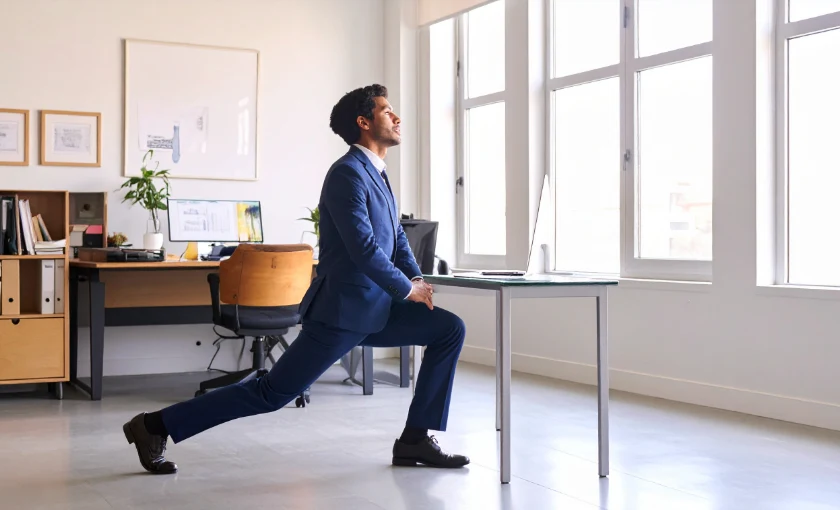
What If You Sit at a Desk All Day?
You do not have to complete a formal workout every time you want to help your leg circulation.
If you sit for much of the day, try breaking up long stretches of inactivity.
Getting up periodically for even a short walk allows the calf muscles to begin pumping again.
You can also move your ankles and lower legs while seated.
We suggest getting up and walking periodically and moving the ankles when prolonged sitting is unavoidable.
The same principle applies to long car rides and flights.
The concern is not sitting itself. It is spending many uninterrupted hours with very little leg movement.
Is Standing Better Than Sitting for Varicose Veins?
Not necessarily.
Standing still for hours can also increase pressure in the leg veins.
People who work in jobs that require prolonged standing may notice aching, heaviness, or swelling later in the day.
The better strategy is usually movement rather than simply choosing sitting or standing.
If your job requires standing, brief walks or changing position can help activate the calf muscles.
If your job requires sitting, getting up periodically serves the same purpose.
The Society for Vascular Surgery recommend avoiding long uninterrupted periods of sitting or standing when managing varicose vein symptoms.
Can Exercise Prevent New Varicose Veins?
There is no guarantee.
Varicose veins can develop for many reasons, including age, genetics, pregnancy, prolonged standing or sitting, and problems with vein valves.
Regular movement may support circulation and help manage some modifiable risk factors, but someone who exercises regularly can still develop varicose veins.
Similarly, treating an existing varicose vein does not guarantee another vein will never become varicose in the future.
The goal of exercise should therefore be supporting circulation and overall health, not expecting it to provide permanent protection against every future vein problem.
What Else Can Help Along With Walking?
Walking is only one part of managing varicose vein symptoms.
Depending on your symptoms and medical history, other measures may include:
Leg Elevation
Elevating your legs while resting can help gravity move blood and fluid out of the lower legs.
Avoiding Long Periods Without Movement
Change position periodically if your job or routine requires prolonged sitting or standing.
Compression
Compression stockings can help reduce blood pooling and may relieve aching and swelling for some patients.
Compression is not appropriate for everyone, however, particularly certain people with arterial circulation problems. Ask a healthcare provider which type and level of compression, if any, is appropriate for you.
These approaches can help manage symptoms, but they still do not remove an established varicose vein.
When Is Walking Not Enough?
If your legs feel better when you walk and move regularly, that is useful.
But you should not feel that you simply need to “exercise more” if you continue having significant symptoms.
Varicose veins may warrant evaluation when you have:
- Persistent aching or heaviness
- Regular leg or ankle swelling
- Increasing discomfort
- Skin discoloration near the ankles
- Itching or inflammation around a vein
- Bleeding from a varicose vein
- A sore or wound that is slow to heal
- Symptoms that interfere with work, exercise, sleep, or daily activities
These findings can sometimes indicate more significant venous disease rather than a purely cosmetic vein concern.
A vein evaluation can help determine whether your symptoms are caused by venous reflux or chronic venous insufficiency and whether treatment may be appropriate.
What About Sudden Leg Pain or Swelling?
Varicose vein discomfort usually develops more gradually.
Sudden significant swelling, pain, warmth, or discoloration in one leg should be evaluated promptly because these symptoms can have causes other than varicose veins, including a blood clot.
Seek emergency care if sudden leg symptoms occur along with chest pain, difficulty breathing, fainting, or coughing up blood.
Frequently Asked Questions About Walking and Varicose Veins
Can walking make varicose veins go away?
No. Walking can improve circulation and may reduce symptoms such as aching, heaviness, or swelling, but it cannot repair damaged vein valves or make an existing varicose vein disappear.
Is walking good for chronic venous insufficiency?
Walking is commonly recommended for people with chronic venous insufficiency because each step activates the calf muscles that help move blood through the leg veins toward the heart.
The Bottom Line: Walking Helps Your Circulation, Not the Damaged Vein
Walking is one of the simplest things you can do to support circulation in your legs.
Each step activates the calf muscles that help push blood upward, which may reduce heaviness, aching, and swelling associated with venous disease.
But walking and exercise have limits.
They can help your veins work more efficiently, but they cannot repair a damaged valve or remove an established varicose vein.
If regular movement, elevation, or other conservative measures are not providing enough relief, you do not simply have to live with persistent symptoms.
BASS Vein Center can evaluate your leg veins, determine whether venous insufficiency is contributing to your symptoms, and discuss treatment options when appropriate.
If painful, swollen, or bothersome varicose veins are interfering with your daily life, schedule a vein evaluation with BASS Vein Center.
Note: Coverage varies between insurance plans. Please check with your insurance provider before scheduling. BASS Vein Center will verify your benefits so you understand any out-of-pocket costs ahead of treatment.
Medical Disclaimer: The information provided in this blog is for educational and informational purposes only and is not intended as medical advice, diagnosis, or treatment. BASS Medical Group does not endorse any specific tests, treatments, procedures, or opinions referenced in this content. Individual results may vary. Always consult with your physician or a qualified healthcare provider regarding any medical concerns or before making changes to your health regimen.