5 Exercises That Help Prevent and Reduce Varicose Veins
Why Exercise Matters for Varicose Veins
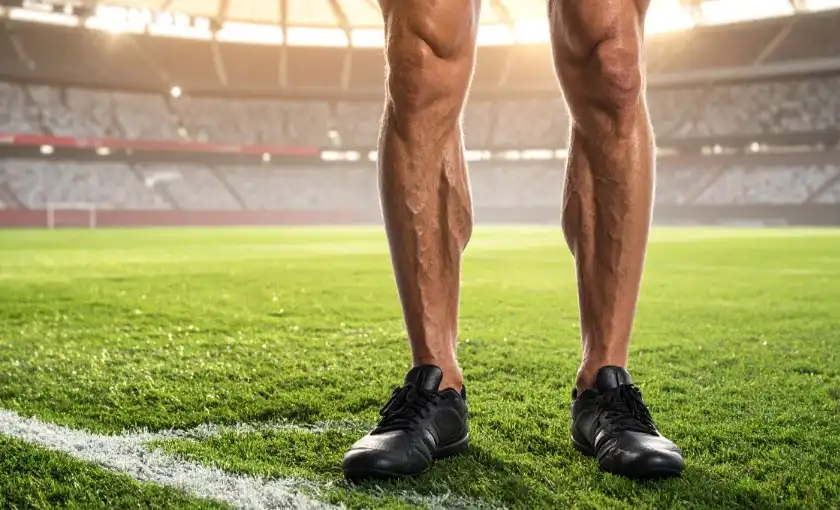
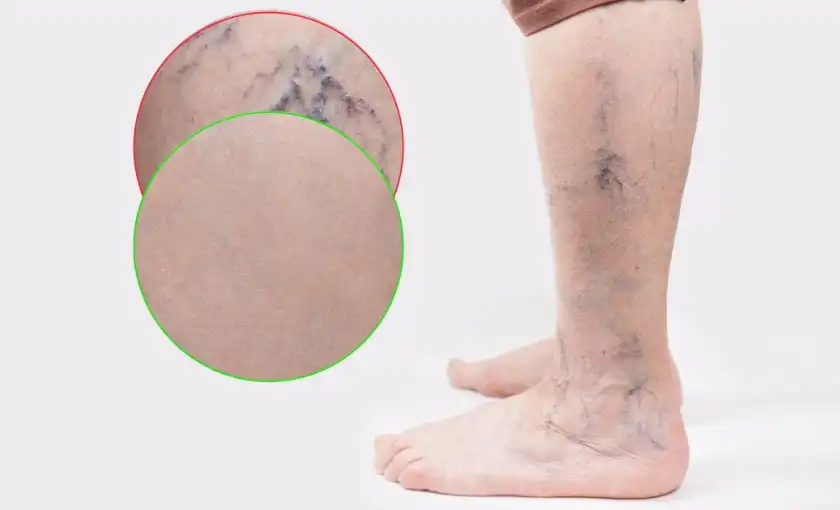
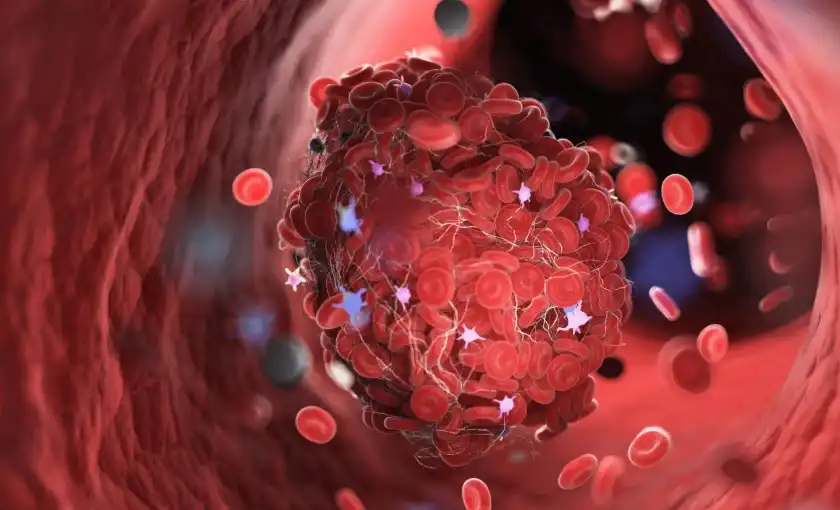
Varicose veins develop when the valves inside leg veins weaken, allowing blood to pool instead of flowing efficiently back to the heart. While genetics play a role, lifestyle factors such as inactivity, prolonged sitting or standing, and excess weight can significantly worsen symptoms. Regular exercise helps activate the calf muscle pump, improve circulation, and reduce pressure inside the veins.
If you already have varicose veins, exercise will not eliminate damaged veins, but it can slow progression, reduce symptoms, and support overall vein health.
1. Calf Raises (Rocking Feet)
Calf raises are one of the most effective exercises for varicose veins because they directly activate the calf muscle pump. Stand upright and slowly rise onto the balls of your feet, hold for a few seconds, then lower back onto your heels. This movement encourages blood flow upward out of the legs and reduces venous pressure. Perform this exercise several times a day, especially if you stand for long periods.
2. Walking
Walking is one of the best and safest exercises for vein health. It promotes consistent muscle contractions in the calves, improves circulation, and reduces leg swelling and heaviness. A daily walking routine of 20–30 minutes can significantly improve symptoms of varicose veins and chronic venous insufficiency. Start at a comfortable pace and gradually increase duration.
3. Cycling or Stationary Biking
Cycling is a low-impact exercise that improves circulation without placing excessive strain on joints. Pedaling activates the calves and thighs, helping blood move efficiently through the leg veins. If outdoor cycling is not possible, a stationary bike or even a supine pedaling motion while lying on your back can provide similar benefits.
4. Leg Lifts
Leg lifts are excellent for improving circulation and muscle strength while reducing pressure in the veins. Lie flat on your back and raise one leg at a time, holding it elevated for several seconds before lowering. You can also perform standing leg lifts while holding onto a chair for balance. This exercise encourages venous return and is suitable for beginners.
5. Lunges
Lunges strengthen the thigh and calf muscles, both of which support healthy blood flow. Step forward into a controlled lunge, hold briefly, then return to a standing position before switching legs. Lunges should be performed slowly and with proper form to maximize circulation benefits and reduce strain.
When Exercise Is Not Enough
Exercise can help manage symptoms and slow progression, but it cannot repair damaged vein valves. If varicose veins continue to cause pain, swelling, skin changes, or interfere with daily activities, medical evaluation is recommended. Early treatment can prevent complications such as skin discoloration, phlebitis, or venous ulcers.
Expert Vein Care at BASS Vein Center
At BASS Vein Center, our vein specialists evaluate each patient’s symptoms, lifestyle factors, and vein anatomy to determine the most effective treatment plan. Minimally invasive options such as endovenous ablation, sclerotherapy, and ambulatory phlebectomy are available when conservative measures are no longer sufficient.
Call 925-477-3030 to schedule a consultation and take the next step toward healthier legs.
Note: Coverage varies between insurance plans. Please check with your insurance provider before scheduling. BASS Vein Center will verify your benefits so you understand any out-of-pocket costs ahead of treatment.
Medical Disclaimer: The information provided in this blog is for educational and informational purposes only and is not intended as medical advice, diagnosis, or treatment. BASS Medical Group does not endorse any specific tests, treatments, procedures, or opinions referenced in this content. Individual results may vary. Always consult with your physician or a qualified healthcare provider regarding any medical concerns or before making changes to your health regimen.