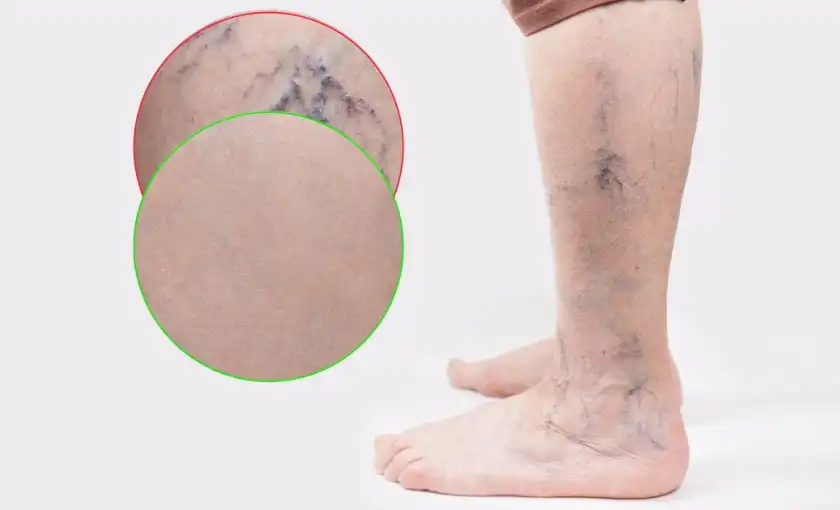

Can Blood Clots in the Leg Be Treated at Home? What to Know About DVT
A blood clot in the leg should never be self-treated at home. A deep vein thrombosis, or DVT, requires medical evaluation and treatment because part of the clot can potentially travel to the lungs and cause a pulmonary embolism.
However, this does not mean every person diagnosed with DVT must stay in a hospital.
Many patients with an uncomplicated DVT can receive prescribed treatment at home after being evaluated by a healthcare professional. Current treatment guidelines support outpatient management for appropriately selected patients who are considered at low risk for complications.
The important distinction is:
Home treatment means medically supervised outpatient treatment, not home remedies for a blood clot.
Can a Blood Clot in the Leg Be Treated at Home?
Yes, some diagnosed blood clots in the leg can be treated at home, but only after medical evaluation and with prescribed treatment.
Anticoagulant medications, commonly called blood thinners, are the primary treatment for most cases of venous thromboembolism. Some modern anticoagulants can be taken at home without hospitalization.
The Society for Vascular Surgery notes that direct oral anticoagulants can be used for outpatient treatment of venous thromboembolism. The American Society of Hematology also recommends home treatment over hospital treatment for many patients with uncomplicated DVT who have a low risk of complications.
Home treatment may therefore be appropriate, but the decision should be made by a healthcare professional after the clot has been diagnosed and the patient's individual risks have been evaluated.
Can You Treat a Blood Clot at Home Without Seeing a Doctor?
No. You should not attempt to diagnose or treat a suspected DVT with home remedies.
Symptoms alone cannot confirm whether a blood clot is present.
Common symptoms of DVT can include:
- Swelling in one leg
- Calf or thigh pain
- Tenderness
- Warmth
- Redness or skin discoloration
The CDC notes that approximately half of people with DVT may have no symptoms at all.
When DVT is suspected, medical testing is necessary because muscle injuries, superficial vein problems, infections and other conditions can cause similar symptoms.
Why Does a DVT Need Medical Treatment?
The primary concern is that part of a deep vein clot can break loose and travel through the bloodstream to the lungs.
This is called a pulmonary embolism, or PE.
A pulmonary embolism can interfere with blood flow through the lungs and can be life-threatening.
Anticoagulant medications help prevent the existing clot from becoming larger and reduce the likelihood of additional clots forming while the body gradually breaks down the clot.
How Is a Blood Clot in the Leg Diagnosed?
A DVT cannot reliably be diagnosed based on symptoms or appearance alone.
Medical evaluation may include:
- Review of symptoms
- Physical examination
- Assessment of DVT risk factors
- Blood testing in selected situations
- Imaging
A duplex ultrasound is commonly used to look for a clot in the deep veins of the leg.
The CDC notes that imaging tests are needed to confirm DVT or pulmonary embolism.
What Does Home Treatment for DVT Actually Involve?
For patients who have been medically cleared for outpatient treatment, most of the treatment happens through medication and follow-up rather than special home remedies.
Anticoagulant Medication
Anticoagulation is the main treatment for most DVTs.
Depending on the patient's circumstances, a physician may prescribe an anticoagulant that can be taken outside of the hospital.
These medications do not instantly dissolve the clot.
Instead, they help prevent:
- The clot from becoming larger
- Additional clots from forming
- Certain clot-related complications
The body then gradually works to break down the existing clot.
Medical Follow-Up
Patients treated outside the hospital still require medical follow-up.
Your healthcare team may monitor:
- Symptoms
- Medication response
- Bleeding risk
- Other medical conditions
- Whether additional testing is needed
Home treatment should therefore be understood as outpatient medical care, not treatment without medical supervision.
Can a Blood Clot Dissolve on Its Own?
The body has natural mechanisms for gradually breaking down blood clots.
However, waiting for a suspected DVT to disappear without medical treatment can be dangerous.
Anticoagulants are used because an untreated clot can:
- Become larger
- Lead to additional clots
- Travel to the lungs
- Damage veins and contribute to long-term complications
A person should not decide to simply wait for a possible DVT to resolve.
What Medication Is Used to Treat a DVT at Home?
Several types of anticoagulants may be used for DVT treatment.
The specific medication depends on factors including:
- Medical history
- Kidney function
- Other medications
- Bleeding risk
- Pregnancy status
- Cancer history
- Other individual health factors
Direct oral anticoagulants are commonly used for outpatient treatment because some can be started without an initial hospital stay.
Patients should take anticoagulants exactly as prescribed and should not stop or alter the medication without discussing it with the treating healthcare professional.
Who May Be Able to Receive DVT Treatment at Home?
Outpatient treatment may be considered for selected patients with an uncomplicated DVT who are clinically stable.
Factors physicians consider can include:
- Severity of symptoms
- Location and extent of the clot
- Risk of bleeding
- Other medical conditions
- Kidney function
- Ability to take medication reliably
- Access to appropriate follow-up
- Home and social circumstances
American Society of Hematology guidelines favor home treatment for uncomplicated DVT in appropriately selected patients.
The decision should be individualized rather than based on a simple rule such as the clot being “small.”
When Might Hospital Treatment Be Needed?
Some patients require closer monitoring or hospital-based care.
Hospital evaluation may be considered when there are concerns such as:
- Severe symptoms
- Significant bleeding risk
- Serious accompanying illness
- Limb-threatening DVT
- Inability to safely use outpatient anticoagulation
- Inadequate home support or follow-up
- Concern for pulmonary embolism or other complications
The appropriate setting depends on the individual patient's clinical condition.
Can You Walk With a Blood Clot in Your Leg?
Patients often assume they must remain completely still after being diagnosed with DVT.
That is not necessarily the case.
For patients who have started appropriate anticoagulation and have been medically evaluated, walking and normal movement may be allowed or encouraged depending on symptoms and physician guidance.
However, someone who merely suspects they have a blood clot should not try to treat it by walking or exercising.
Get evaluated first and follow the activity recommendations provided by the treating healthcare professional.
Should You Massage a Leg With a Suspected Blood Clot?
Do not rely on massage to treat unexplained calf pain or a suspected blood clot.
If you have new one-sided calf pain, swelling, warmth or discoloration, seek medical evaluation rather than assuming that the problem is muscular.
Massage does not treat a DVT.
Do Compression Stockings Treat a Blood Clot?
Compression stockings do not replace anticoagulant treatment for an acute DVT.
They may be recommended for selected patients to help manage swelling or other symptoms, but their role depends on the individual patient's condition.
Do not assume that putting on compression stockings is sufficient treatment for a suspected blood clot.
If DVT symptoms are present, medical evaluation comes first.
Does Drinking Water Help Dissolve a Blood Clot?
Staying adequately hydrated is generally part of maintaining overall health, but drinking water does not dissolve an existing DVT.
There is no drink, food or home remedy that should be substituted for medical treatment of a diagnosed blood clot.
If anticoagulation is prescribed, take it exactly as directed.
Can Diet Treat a Blood Clot?
Diet alone cannot treat an acute DVT.
Patients taking certain anticoagulants may receive dietary instructions because foods, supplements or other medications can affect how the medication works.
Follow the instructions specific to your prescribed medication rather than making major dietary changes based on general advice online.
What Should You Avoid After Being Diagnosed With a DVT?
Recommendations vary depending on the patient and medication.
In general, patients should avoid:
- Missing prescribed anticoagulant doses
- Stopping medication without medical advice
- Taking new medications or supplements without checking for interactions
- Ignoring worsening symptoms
- Assuming that home remedies have eliminated the clot
Your healthcare provider should give you specific instructions about activity, medications, follow-up and precautions.
How Long Does a Blood Clot in the Leg Take to Go Away?
There is no single timeline.
The body can gradually break down a clot over time, but the process can take weeks to months and residual vein changes may persist longer.
Anticoagulation is generally continued for a medically determined period based on factors such as:
- Why the clot developed
- Whether it was provoked by a temporary risk factor
- Whether DVT has occurred before
- Bleeding risk
- Other medical conditions
Do not stop anticoagulant treatment simply because your leg feels better.
What Happens if a DVT Is Left Untreated?
An untreated DVT can lead to serious complications.
Pulmonary Embolism
A portion of the clot can travel to the lungs and cause a pulmonary embolism.
Possible PE symptoms include:
- Sudden shortness of breath
- Chest pain, particularly with breathing
- Rapid heartbeat
- Coughing up blood
- Lightheadedness
- Fainting
These symptoms require emergency medical attention.
Post-Thrombotic Syndrome
A DVT can also damage valves inside the affected veins.
Some patients later develop post-thrombotic syndrome, which can cause chronic:
- Leg swelling
- Pain
- Heaviness
- Skin changes
- Venous ulcers in severe cases
Proper diagnosis and treatment are therefore important even when the initial leg symptoms seem manageable.
How Can You Tell a Blood Clot From a Muscle Cramp?
It is not always possible to tell based on symptoms alone.
A muscle injury may cause:
- Pain following activity
- Localized tenderness
- Tightness
- Pain when using the muscle
DVT may cause:
- New one-sided swelling
- Pain or tenderness
- Warmth
- Redness or discoloration
There can be substantial overlap.
The CDC emphasizes that DVT symptoms are nonspecific, which is why medical testing is important when a clot is suspected.
When Should You Seek Emergency Care for a Blood Clot?
Seek emergency medical attention if you develop possible pulmonary embolism symptoms such as:
- Sudden difficulty breathing
- Chest pain
- Coughing up blood
- Fainting
- Severe lightheadedness
These symptoms can occur when a clot travels to the lungs.
New significant leg swelling, pain, tenderness, warmth or discoloration should also be evaluated promptly for possible DVT.
Can BASS Vein Center Evaluate Leg Symptoms That May Be Vascular?
Leg pain and swelling can have many possible causes, including chronic venous insufficiency, superficial vein problems and deep vein thrombosis.
BASS Vein Center provides vascular evaluation for patients with leg symptoms and vein conditions.
If you are concerned about chronic swelling, painful veins or other vascular symptoms, our specialists can determine what evaluation is appropriate.
If you have symptoms suggesting an acute DVT or pulmonary embolism, do not wait for a routine vein appointment. Seek prompt or emergency medical evaluation based on the severity of your symptoms.
Frequently Asked Questions About Treating Blood Clots at Home
Can blood clots in the leg be treated at home?
Yes, some uncomplicated DVTs can be treated outside the hospital after medical diagnosis and assessment. Home treatment generally involves prescribed anticoagulant medication and appropriate follow-up. It does not mean treating the clot with home remedies.
Can I treat a blood clot in my leg naturally?
No home or natural remedy should replace medical treatment for DVT. A suspected blood clot needs medical evaluation because untreated DVT can lead to pulmonary embolism.
Can you treat DVT without going to the hospital?
Some patients can receive outpatient treatment and do not need to remain hospitalized. However, they still need medical evaluation, diagnosis, prescribed treatment and follow-up.
Can a DVT go away on its own?
The body can gradually break down a clot, but an untreated DVT can grow or cause a pulmonary embolism. Do not wait for a suspected DVT to disappear without medical evaluation.
What is the treatment for a blood clot in the leg?
Anticoagulant medication is the main treatment for most DVTs. The specific medication and treatment duration depend on the patient's individual circumstances.
Should I walk if I have a DVT?
Activity recommendations should come from the healthcare professional treating your DVT. Many appropriately treated patients are not required to remain on bed rest, but suspected DVT should be evaluated before using activity as part of recovery.
Can compression socks dissolve a blood clot?
No. Compression stockings do not dissolve a DVT and do not replace anticoagulant treatment. They may be recommended for symptom management in selected patients.
Does drinking water dissolve blood clots?
No. Hydration does not dissolve an existing deep vein thrombosis. DVT requires medical evaluation and appropriate treatment.
How do you know if leg pain is a blood clot?
DVT may cause swelling, pain, tenderness, warmth and redness or discoloration, but these symptoms can occur with other conditions. Imaging such as ultrasound is generally needed to confirm a DVT.
When is a blood clot an emergency?
Possible pulmonary embolism symptoms such as sudden shortness of breath, chest pain, coughing up blood, fainting or severe lightheadedness require emergency medical attention.
Note: Coverage varies between insurance plans. Please check with your insurance provider before scheduling. BASS Vein Center will verify your benefits so you understand any out-of-pocket costs ahead of treatment.
Medical Disclaimer: The information provided in this blog is for educational and informational purposes only and is not intended as medical advice, diagnosis, or treatment. BASS Medical Group does not endorse any specific tests, treatments, procedures, or opinions referenced in this content. Individual results may vary. Always consult with your physician or a qualified healthcare provider regarding any medical concerns or before making changes to your health regimen.