Is Standing Better Than Sitting for Varicose Veins? Why Movement Matters More
If you sit at a desk for most of the day, you may have heard that standing more is better for your circulation.
But when it comes to varicose veins, simply replacing hours of sitting with hours of standing is not necessarily the answer.
Both prolonged sitting and prolonged standing can contribute to aching, heaviness, and swelling in the legs.
The more important factor is movement.
Walking and regularly changing positions activate the muscles in your lower legs that help move blood back toward your heart. Standing still does not provide the same benefit.
That means the better question may not be “Should I sit or stand?”
It may be “How long am I staying in one position without moving?”
Why Does Staying Still Affect Your Leg Veins?
Veins carry blood back toward the heart.
In the legs, that means moving blood upward against gravity. One-way valves inside the veins help prevent blood from flowing backward.
Your muscles help too.
Every time you take a step, your calf muscles contract and squeeze the veins in your lower legs. This helps push blood upward toward your heart.
This mechanism is often called the calf muscle pump, which plays an important role in helping blood in the legs overcome gravity.
When you remain relatively still for a long period, whether seated or standing, that muscular pumping action is reduced.
Does Sitting Make Varicose Veins Worse?
Long periods of sitting can contribute to symptoms.
When your legs remain relatively still, the calf muscles are not contracting as frequently. This can allow blood to remain in the lower legs longer, particularly if the valves inside the veins are already not working efficiently.
People with varicose veins or chronic venous insufficiency may notice:
- Heaviness
- Aching
- Ankle or lower-leg swelling
- Throbbing
- Tired legs
- Increased discomfort later in the day
The Society for Vascular Surgery specifically notes that aching and heaviness associated with varicose veins can become worse after prolonged sitting or standing.
That does not mean sitting itself is harmful every time you do it.
The concern is spending long, uninterrupted periods sitting with very little movement.
Is Standing Better Than Sitting for Varicose Veins?
Not necessarily.
Standing gets you out of your chair, but simply standing still does not activate the calf muscles the way walking does.
Gravity is also still pulling blood toward the lower body.
That means someone who stands behind a counter, at an operating table, on a production floor, or at a standing desk for hours without moving may still experience leg heaviness, aching, or swelling.
Prolonged standing is recognized along with prolonged sitting as a factor associated with venous symptoms and chronic venous disease.
The goal is therefore not to replace one stationary position with another.
Changing positions and moving regularly is generally more useful than simply standing all day.
Is a Standing Desk Better for Varicose Veins?
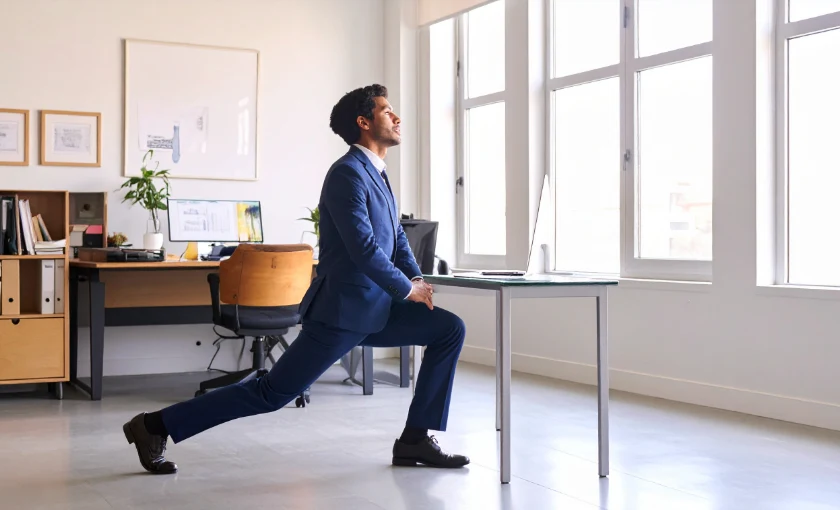
A standing desk can be useful if it helps you change positions more often.
It is less useful if you simply stand in the same position for several hours.
A sit-stand desk works best as a tool for variation rather than as a requirement to stand all day.
For example, you might alternate between sitting and standing and periodically take a short walk.
It is recommended to change positions often and avoid long periods of either sitting or standing for people managing varicose vein symptoms.
So if you use a standing desk, think of it as one part of a more active workday rather than a treatment for varicose veins.
Why Is Walking Better Than Just Standing?
Walking activates the calf muscle pump with every step.
Standing still does not.
As your calf muscles contract, they compress the veins in your lower legs and help move blood upward.
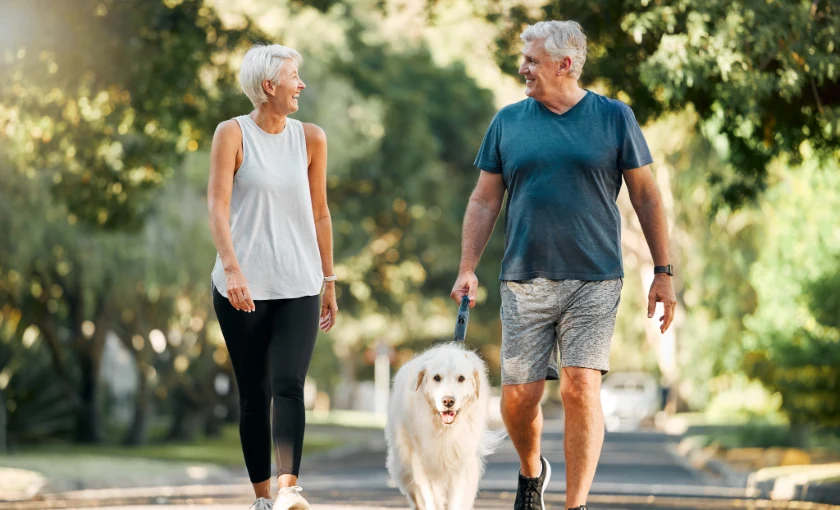
That is why walking is commonly recommended as a simple way to support venous circulation.
Walking is a particularly useful exercise for helping blood flow in the legs, while the Society for Vascular Surgery includes starting a walking program among lifestyle recommendations for people with varicose veins.
Walking cannot repair a damaged vein valve or make an established varicose vein disappear.
But it can help your legs move blood more efficiently and may reduce symptoms such as aching or heaviness.
Can Sitting or Standing Cause Varicose Veins?
It is more accurate to say that prolonged sitting or standing can contribute to venous pressure and symptoms rather than claiming either activity alone causes varicose veins.
Varicose veins develop when valves inside the veins do not function properly, allowing blood to flow backward and pool.
Several factors may contribute to venous disease, including:
- Age
- Family history
- Pregnancy
- Previous blood clots
- Physical inactivity
- Prolonged sitting or standing
- Other factors affecting the veins
Someone can therefore develop varicose veins even if they are physically active, particularly when other risk factors are present.
Does Exercise Help Varicose Veins?
Exercise can help your circulation and may reduce symptoms, but it does not cure established varicose veins.
Walking is particularly useful because it repeatedly activates the calf muscles.
Other activities that keep the lower legs moving may also be helpful, including cycling, swimming, ankle movements, or calf raises when appropriate.
Exercises such as walking, calf raises, and ankle pumps can support blood flow through the leg veins.
The goal is to keep the calf muscles active rather than expecting exercise to repair damaged vein valves.
What Else Can Help If Your Legs Feel Heavy After Work?
Movement is one option, but it is not the only way to manage symptoms.
Depending on the cause, your healthcare provider may recommend measures such as:
Elevating Your Legs
Raising your legs while resting can help gravity move blood and fluid out of the lower legs.
Compression Stockings
Compression can help reduce blood pooling and may relieve swelling and aching in some people with varicose veins or chronic venous insufficiency.
Compression is not appropriate for everyone, particularly some people with arterial circulation problems, so it is best to ask a healthcare professional what type and level are appropriate.
Regular Exercise
Walking and other forms of regular movement can support the calf muscle pump and overall circulation.
These measures can help manage symptoms, but they do not eliminate an established varicose vein.
When Are Heavy or Achy Legs More Than a Workday Problem?
It is easy to assume tired or heavy legs are simply the result of a long day.
Sometimes they are.
But recurring symptoms may point to an underlying vein problem, particularly when they occur along with visible varicose veins.
Consider having your veins evaluated if you regularly experience:
- Persistent aching or heaviness
- Leg or ankle swelling
- Burning or throbbing
- Itching around visible veins
- Skin discoloration near the ankles
- Symptoms that become worse after sitting or standing
- A sore or wound that is slow to heal
These can occur with chronic venous insufficiency, which develops when the leg veins have difficulty efficiently returning blood toward the heart.
You do not need to wait until your symptoms become severe before asking whether your circulation may be contributing.
What About Sudden Leg Swelling or Pain?
Gradual heaviness and aching are different from a sudden change in one leg.
New significant swelling, pain, warmth, or discoloration in one leg should be evaluated promptly because these symptoms can have causes other than varicose veins, including a blood clot.
Seek emergency care for symptoms such as sudden shortness of breath or chest pain.
Frequently Asked Questions About Sitting, Standing and Varicose Veins
Is standing better than sitting for varicose veins?
Not necessarily. Spending long periods in either position can contribute to aching, heaviness, or swelling. Regularly changing position and walking is generally more helpful because movement activates the calf muscles that support blood flow through the leg veins.
Is a standing desk good for varicose veins?
A standing desk may be useful if it helps you alternate positions and move more often. Standing still for several hours is not necessarily better for your veins than sitting for several hours. The goal is to avoid remaining in one position for long periods.
The Bottom Line: Your Veins Prefer Movement
You do not have to choose between sitting all day and standing all day.
For your leg veins, movement is the more important difference.
Both prolonged sitting and prolonged standing can contribute to heaviness, aching, and swelling, particularly when an underlying vein problem is already present.
Walking, changing positions regularly, and keeping the calf muscles active can help support circulation.
If your legs consistently feel heavy, swollen, or painful after sitting or standing, BASS Vein Center can evaluate whether varicose veins, venous reflux, or chronic venous insufficiency may be contributing.
Schedule an evaluation with BASS Vein Center if persistent leg symptoms are affecting your work, comfort, or daily activities.
Note: Coverage varies between insurance plans. Please check with your insurance provider before scheduling. BASS Vein Center will verify your benefits so you understand any out-of-pocket costs ahead of treatment.
Medical Disclaimer: The information provided in this blog is for educational and informational purposes only and is not intended as medical advice, diagnosis, or treatment. BASS Medical Group does not endorse any specific tests, treatments, procedures, or opinions referenced in this content. Individual results may vary. Always consult with your physician or a qualified healthcare provider regarding any medical concerns or before making changes to your health regimen.