
Is Leg Numbness a Sign of Varicose Veins or a Blood Clot?
Most people have experienced their legs “falling asleep” after sitting cross-legged or staying in one position too long. It’s usually harmless and caused by temporary pressure on a nerve. But if you notice frequent or unexplained leg numbness, it could point to an underlying issue such as poor circulation, varicose veins, or even a blood clot.
So how do you tell the difference between something harmless and something serious? Let’s break it down.
When Leg Numbness Is Harmless
Short-term tingling or numbness after sitting, kneeling, or crossing your legs happens because of nerve compression. Your position temporarily limits blood flow or “pinches” a nerve.
Common causes include:
- Sitting or standing in one position for a long time
- Tight clothing or shoes
- Mild dehydration or fatigue
This type of numbness usually goes away once you move or change positions.
When It Could Be a Circulation or Vein Issue
If the numbness doesn’t resolve quickly or keeps happening, it might relate to vascular conditions like:
1. Varicose Veins
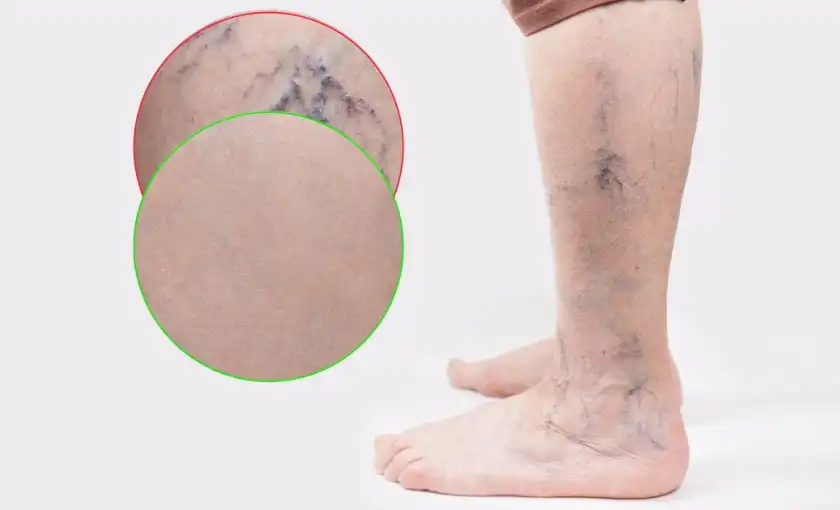
Enlarged, twisted veins can slow blood return to the heart, causing heaviness, tingling, or numbness in the lower legs. You might also notice:
- Swelling around the ankles or calves
- Visible bulging veins
- Cramping or aching at night
2. Chronic Venous Insufficiency (CVI)
When vein valves don’t function properly, blood pools in the legs, leading to numbness, burning, or restless legs sensations.
3. Deep Vein Thrombosis (DVT)
A blood clot in a deep leg vein is more serious. Symptoms can include:
- Sudden pain or swelling
- Warmth or redness in one leg
- Tightness or numbness that does not go away
If you notice these symptoms, seek medical care immediately. DVTs can be life-threatening if untreated.
When to See a Vein Specialist
See a vascular or vein specialist if you experience:
- Frequent leg numbness or tingling unrelated to position
- Visible or bulging veins
- Persistent leg heaviness, swelling, or color changes
A quick, noninvasive ultrasound can determine if poor circulation or a clot is behind your symptoms — and guide the best treatment plan.
Key Takeaway
Leg numbness isn’t always a cause for concern — but if it’s frequent, one-sided, or paired with swelling or pain, it could point to a vascular condition that needs attention.
At BASS Vein Center, our specialists can identify the cause and restore healthy circulation so you can move comfortably and confidently again.
FAQ
1. Can varicose veins cause tingling or numbness?
Yes. Varicose veins can lead to mild tingling, burning, or numbness because of sluggish circulation and pressure on nearby nerves.
2. How can I tell if it’s nerve-related or vein-related numbness?
If it improves when you move or stretch, it’s likely nerve compression. If it persists or worsens after standing, it may be circulation-related — a vein specialist can confirm with an ultrasound.
Note: Coverage varies between insurance plans. Please check with your insurance provider before scheduling. BASS Vein Center will verify your benefits so you understand any out-of-pocket costs ahead of treatment.
Medical Disclaimer: The information provided in this blog is for educational and informational purposes only and is not intended as medical advice, diagnosis, or treatment. BASS Medical Group does not endorse any specific tests, treatments, procedures, or opinions referenced in this content. Individual results may vary. Always consult with your physician or a qualified healthcare provider regarding any medical concerns or before making changes to your health regimen.