
Laser Treatment vs Surgery for Varicose Veins: Which Is Right for You?
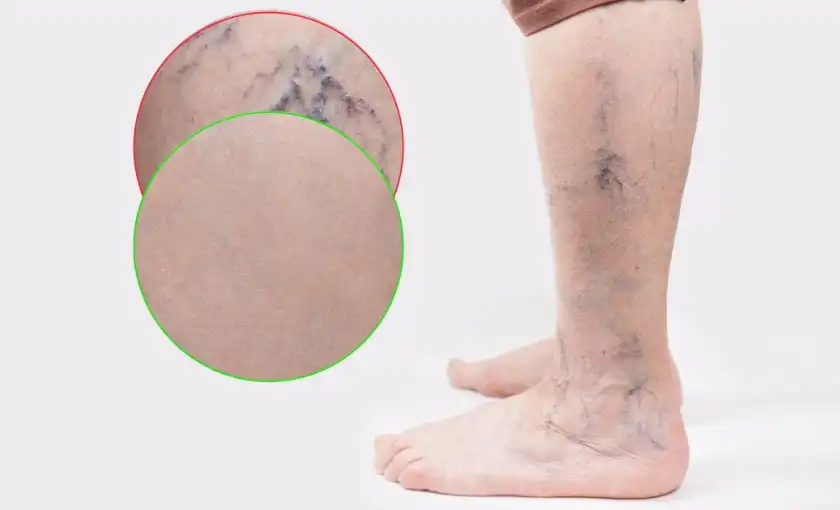
Varicose veins can be treated in several ways, ranging from minimally invasive vein ablation to procedures that physically remove visible veins. If you are comparing laser treatment with varicose vein surgery, the most important difference is that endovenous laser ablation closes a diseased vein from inside using thermal energy, while traditional vein stripping surgically removes the affected vein.
For many patients with symptomatic varicose veins caused by reflux in a major superficial vein, minimally invasive endovenous ablation has largely replaced traditional vein stripping as the preferred treatment approach. However, open surgery still has a role when endovenous treatment is not appropriate. Current guidelines recommend endothermal ablation first for suitable patients with confirmed truncal venous reflux.
The right treatment depends on which veins are affected, ultrasound findings, symptoms, anatomy, previous procedures, and individual medical needs.
What Is Varicose Vein Surgery?
The phrase varicose vein surgery can refer to several different procedures, which is why treatment comparisons can become confusing.
Traditional surgical treatment generally refers to high ligation and vein stripping.
During vein stripping, an abnormal superficial vein, commonly the great saphenous vein, is surgically disconnected and removed.
This differs from modern endovenous treatments, which generally leave the vein in place and close it from inside.
Other procedures, such as ambulatory phlebectomy, may also involve removing veins but are not the same operation as traditional vein stripping.
What Is Laser Varicose Vein Treatment?
Endovenous laser ablation (EVLA), also called endovenous laser treatment or EVLT, is a minimally invasive procedure used to close an incompetent superficial vein.
A thin laser fiber is placed inside the affected vein using a catheter. Laser energy heats the vein wall, causing the vein to close.
Blood then continues returning through other functioning veins, while the treated vein gradually becomes fibrotic and is absorbed by the body.
EVLA is generally performed using local and tumescent anesthesia rather than a large surgical incision.
Learn more about endovenous laser treatment.
Is Laser Varicose Vein Treatment Considered Surgery?
Patients frequently use terms such as:
- Laser vein surgery
- Laser varicose vein surgery
- Varicose vein laser surgery
- Laser ablation surgery
- Laser vein removal
However, endovenous laser ablation is more accurately described as a minimally invasive endovenous procedure rather than traditional open vein surgery.
The vein is not normally removed during EVLA.
Instead, it is closed from within using laser energy.
This distinction matters because searching for “laser surgery for varicose veins” can make EVLA sound similar to surgical vein stripping when the procedures are quite different.
Does Laser Treatment Remove Varicose Veins?
Not exactly.
During EVLA, the abnormal truncal vein is generally closed rather than physically removed.
The body gradually remodels the treated vein after it has been sealed.
Visible bulging varicose veins connected to the diseased vein may improve after treatment, but additional treatment may sometimes be needed for surface veins.
Depending on the patient's anatomy, additional options can include:
- Ambulatory phlebectomy
- Sclerotherapy
- Other targeted vein treatment
So the common phrase “laser varicose vein removal” does not precisely describe what happens during endovenous laser ablation.
What Is Vein Stripping?
Vein stripping is a traditional surgical procedure that removes an incompetent superficial vein through surgical incisions.
Historically, ligation and stripping of the great saphenous vein was a common treatment for significant venous reflux.
During the operation, the vein is disconnected and a surgical instrument is used to remove part or all of the targeted superficial vein.
Vein stripping remains an established treatment, but minimally invasive endovenous procedures have replaced it for many patients.
NICE recommends endothermal ablation as the first interventional option for suitable patients with truncal reflux, followed by ultrasound-guided foam sclerotherapy if endothermal treatment is unsuitable, with surgery considered when those approaches are not appropriate.
Laser Ablation vs Vein Stripping: What Is the Difference?
Both treatments can address reflux in major superficial veins, but they accomplish this differently.
Is Laser Treatment Better Than Vein Stripping?
There is no universal treatment that is best for every patient.
However, modern guidelines generally favor endovenous ablation over traditional surgical stripping when the patient's anatomy and condition are suitable for endovenous treatment.
Long-term randomized research has shown that both EVLA and surgery can provide durable treatment for varicose veins.
A randomized trial comparing EVLA with conventional surgery found similar patient-reported outcomes at five years, with lower clinical recurrence after EVLA in that study.
More recent 10-year randomized trial data found that both surgery and endothermal ablation produced durable improvements, while endothermal ablation was associated with better clinical and quality-of-life outcomes in that study population.
Other long-term trials have found smaller differences between the approaches, reinforcing that treatment should be individualized rather than assuming one procedure is universally superior.
How Effective Is Endovenous Laser Treatment for Varicose Veins?
EVLA is an established treatment for superficial venous reflux.
Long-term studies have demonstrated durable closure and symptom improvement for many patients, although recanalization and recurrent varicose veins can occur over time.
Treatment effectiveness depends on factors such as:
- Which vein is treated
- Vein diameter and anatomy
- Pattern of reflux
- Treatment technique
- Previous vein procedures
- Progression of venous disease elsewhere in the leg
A successfully treated vein can remain closed while new reflux develops in another vein later.
What Is Endovenous Laser Varicose Vein Surgery?
The term “endovenous laser varicose vein surgery” generally refers to EVLA or EVLT.
Although patients often call it surgery, the procedure is performed through a catheter rather than by surgically stripping the vein.
During EVLA:
- The affected superficial vein is identified using ultrasound.
- A catheter or laser fiber is placed into the vein.
- Tumescent anesthetic is placed around the vein.
- Laser energy is delivered as the fiber is withdrawn.
- The treated vein closes.
- Blood continues through functioning veins.
Patients should receive individualized procedural and recovery instructions from their treating physician.
Does Laser Treatment Hurt?
EVLA is typically performed with local and tumescent anesthesia.
Patients may experience pressure or other sensations during the procedure and soreness, tightness, bruising, or tenderness afterward.
Pain experiences vary.
Research comparing different varicose vein procedures has generally found differences in post-procedure discomfort and recovery depending on the technique used. In one randomized trial, radiofrequency ablation and foam sclerotherapy were associated with less postoperative pain and faster recovery than EVLA and surgical stripping.
Severe or progressively worsening pain after a vein procedure should be discussed with the treating physician.
How Long Is Recovery After Laser Varicose Vein Treatment?
Recovery varies by procedure and patient.
Because EVLA is performed through a small access site rather than surgical removal of the vein, many patients can resume routine activities relatively quickly.
Recovery can depend on:
- Extent of treatment
- Number of veins treated
- Additional phlebectomy or sclerotherapy
- Patient health
- Type of work
- Post-treatment symptoms
Patients should follow the activity guidance provided by their treating physician.
How Long Is Recovery After Varicose Vein Surgery?
Recovery from traditional vein stripping can be different from recovery following endovenous ablation because stripping involves surgical removal of the vein.
Bruising, tenderness, and postoperative discomfort can occur.
Earlier randomized research comparing EVLA with high ligation and stripping found somewhat greater postoperative pain and bruising following surgical treatment, although both treatments were effective.
The exact recovery period depends on the procedure, extent of surgery, patient health, and type of activity.
Does Laser Vein Treatment Leave Scars?
EVLA is performed through a small catheter access site rather than the larger incisions associated with traditional vein stripping.
A small access mark may be present temporarily.
Traditional surgery requires incisions, although the location and extent depend on the procedure.
Ambulatory phlebectomy also uses very small skin openings to remove surface varicose veins.
No treatment can guarantee that a patient will have no visible marks or skin changes after treatment.
What Are the Risks of Laser Ablation for Varicose Veins?
Possible side effects and complications of endovenous laser treatment can include:
- Bruising
- Tenderness
- Tightness
- Temporary numbness or tingling
- Skin pigmentation changes
- Superficial inflammation
- Rare thermal injury
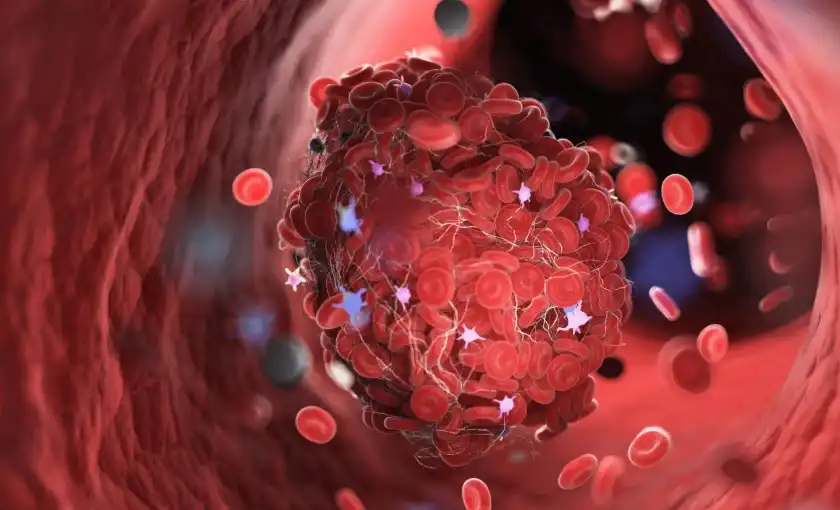
- Blood clot complications
- Recanalization of the treated vein
- Recurrent varicose veins
Most serious complications are uncommon, but individual risk varies.
Learn more about the long-term side effects of vein ablation.
What Are the Risks of Vein Stripping Surgery?
Possible risks of traditional varicose vein surgery include:
- Bleeding
- Bruising
- Infection
- Pain
- Scarring
- Nerve injury or altered sensation
- Blood clots
- Recurrent varicose veins
Both surgery and minimally invasive treatment have potential complications.
The appropriate comparison should consider a patient's anatomy and medical condition rather than assuming that one approach has no risk.
What Is Ambulatory Phlebectomy?
Ambulatory phlebectomy is a minimally invasive procedure used to physically remove bulging surface varicose veins through very small openings in the skin.
This is not the same as vein stripping.
Phlebectomy generally targets individual visible tributary veins near the surface, while traditional stripping removes a longer segment of an incompetent saphenous vein.
Learn more about ambulatory phlebectomy.
Phlebectomy vs Vein Stripping: What Is the Difference?
This is an important distinction because the procedures are frequently confused online.
The Society for Vascular Surgery identifies saphenous ablation, phlebectomy, and high ligation with stripping as distinct procedures used to treat superficial venous reflux and varicosities.
Vein Stripping vs Ablation: Which Is Used More Often Today?
For appropriate patients with symptomatic reflux in major superficial veins, endovenous ablation is commonly favored over traditional vein stripping.
NICE treatment recommendations place endothermal ablation first for confirmed truncal reflux, with surgery used when less invasive approaches are unsuitable.
Modern vascular practice includes several endovenous options, including:
- Endovenous laser ablation
- Radiofrequency ablation
- Nonthermal ablation approaches
- Ultrasound-guided sclerotherapy in selected situations
Traditional surgery remains available when anatomy, previous treatment, or other clinical factors make an endovenous approach unsuitable.
Is Radiofrequency Ablation the Same as Laser Vein Treatment?
No, although both are forms of endovenous thermal ablation.
Endovenous Laser Ablation
EVLA uses laser energy to heat and close the vein.
Radiofrequency Ablation
RFA uses controlled radiofrequency energy to heat and close the vein.
Both are established approaches for treating appropriate superficial venous reflux.
A 2024 meta-analysis found similar overall early and long-term great saphenous vein closure rates between RFA and laser ablation, with differences in some side-effect outcomes.
What About VenaSeal™?
VenaSeal™ is another minimally invasive option for certain patients with superficial venous reflux.
Unlike EVLA and RFA, VenaSeal does not use thermal energy.
Instead, a medical adhesive is delivered through a catheter to close the targeted vein.
Whether EVLA, RFA, VenaSeal, phlebectomy, another treatment, or surgery is appropriate depends on the patient's individual vein anatomy and clinical findings.
Do All Varicose Veins Need Laser Treatment or Surgery?
No.
Some people have visible varicose veins with few symptoms and may initially use conservative measures.
Others have symptomatic reflux that may benefit from procedural treatment.
Reasons to seek evaluation can include:
- Persistent aching or heaviness
- Swelling
- Painful bulging veins
- Itching
- Skin discoloration
- Recurrent inflammation
- Bleeding varicose veins
- Venous ulcers
The treatment decision should be based on the underlying venous problem rather than appearance alone.
How Does Ultrasound Determine Which Varicose Vein Treatment You Need?
A duplex ultrasound is commonly used to evaluate patients with symptomatic varicose veins.
It can show:
- Which veins have abnormal reflux
- Whether the great or small saphenous vein is affected
- Direction of blood flow
- Vein anatomy
- Previous treatment changes
- Other findings relevant to treatment planning
Current vascular guidance emphasizes duplex evaluation to identify pathologic superficial truncal reflux before selecting treatment.
This is why two people with similar-looking varicose veins may receive different treatment recommendations.
Which Varicose Vein Treatment Is Best for You?
There is no single procedure that is best for every case of varicose veins.
Your physician may consider:
- Symptoms
- Duplex ultrasound results
- Location of venous reflux
- Vein size and anatomy
- Visible tributary veins
- Previous procedures
- Medical history
- Risk factors
- Individual treatment goals
For many appropriate patients with superficial truncal reflux, minimally invasive ablation may be recommended instead of traditional vein stripping.
Some patients may also need phlebectomy or sclerotherapy to address visible tributary veins.
Others may have anatomy or medical circumstances in which a different treatment is more appropriate.
Varicose Vein Treatment at BASS Vein Center
BASS Vein Center provides evaluation and minimally invasive treatment for varicose veins and chronic venous insufficiency.
Our vascular specialists use clinical evaluation and duplex ultrasound when appropriate to identify the source of venous reflux and determine which treatment approach fits the individual patient.
Treatment options include:
- Endovenous laser treatment
- Radiofrequency ablation
- VenaSeal™
- Ambulatory phlebectomy
- Sclerotherapy
- Conservative vein treatment
Frequently Asked Questions About Laser Treatment and Varicose Vein Surgery
Is laser treatment considered varicose vein surgery?
Endovenous laser ablation is often informally called laser vein surgery, but it is more accurately described as a minimally invasive endovenous procedure. It closes the diseased vein through a catheter rather than surgically stripping it from the leg.
What is laser vein surgery?
“Laser vein surgery” usually refers to endovenous laser ablation or EVLA. A laser fiber is placed inside an incompetent superficial vein and thermal energy is used to close it.
Does laser treatment remove varicose veins?
EVLA closes the targeted abnormal vein rather than physically removing it. Surface varicose veins may sometimes require additional treatment such as phlebectomy or sclerotherapy.
Is laser varicose vein treatment better than surgery?
For many suitable patients with truncal venous reflux, guidelines favor endovenous thermal ablation over traditional vein stripping. However, surgery remains appropriate in selected situations when endovenous treatment is unsuitable.
Is laser ablation effective for varicose veins?
Yes. EVLA is an established treatment with long-term evidence supporting durable results, although recurrent reflux, recanalization, or new varicose veins can develop in some patients.
What is the difference between vein stripping and laser ablation?
Vein stripping surgically removes an abnormal superficial vein. Laser ablation closes the vein from inside using thermal energy and leaves it in place to gradually remodel.
What is the difference between phlebectomy and vein stripping?
Ambulatory phlebectomy removes individual bulging surface veins through small openings. Traditional vein stripping removes a longer segment of an incompetent superficial vein such as the great saphenous vein.
Is phlebectomy the same as vein stripping?
No. They are separate procedures. Phlebectomy generally treats visible surface tributary veins, while vein stripping historically treated reflux involving a major superficial saphenous vein.
Is EVLA the same as laser ablation?
Yes. EVLA stands for endovenous laser ablation. EVLT, or endovenous laser treatment, is another commonly used term for a similar procedure.
Is laser ablation the same as radiofrequency ablation?
No. Both are forms of endovenous thermal ablation, but EVLA uses laser energy while RFA uses radiofrequency energy.
Do varicose veins come back after laser treatment?
They can. A treated vein can occasionally reopen, and new reflux or varicose veins can develop in other veins over time. Long-term randomized trials have documented recurrence following both EVLA and surgical treatment.
Note: Coverage varies between insurance plans. Please check with your insurance provider before scheduling. BASS Vein Center will verify your benefits so you understand any out-of-pocket costs ahead of treatment.
Medical Disclaimer: The information provided in this blog is for educational and informational purposes only and is not intended as medical advice, diagnosis, or treatment. BASS Medical Group does not endorse any specific tests, treatments, procedures, or opinions referenced in this content. Individual results may vary. Always consult with your physician or a qualified healthcare provider regarding any medical concerns or before making changes to your health regimen.