Side Effects of Radiofrequency Ablation (RFA) for Varicose Veins
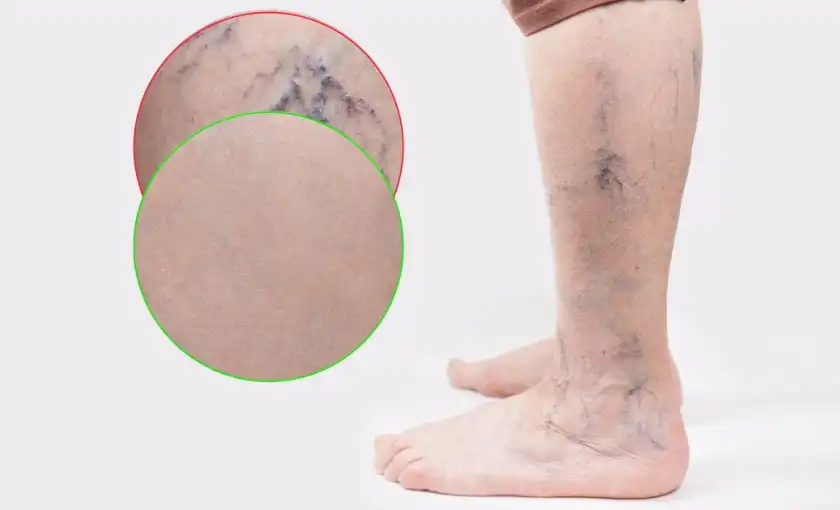
Radiofrequency ablation, or RFA, is a minimally invasive treatment commonly used for varicose veins and chronic venous insufficiency. Most side effects after treatment are temporary, such as soreness, bruising, tightness, or tenderness along the treated vein.
More serious complications can occur, but they are less common. Understanding what is expected after RFA and which symptoms should prompt medical attention can make recovery easier and help patients know when to contact their vein specialist.
What Is Radiofrequency Ablation for Varicose Veins?
Radiofrequency ablation (RFA) is an endovenous treatment used to close an abnormal superficial vein that is allowing blood to flow backward, or reflux.
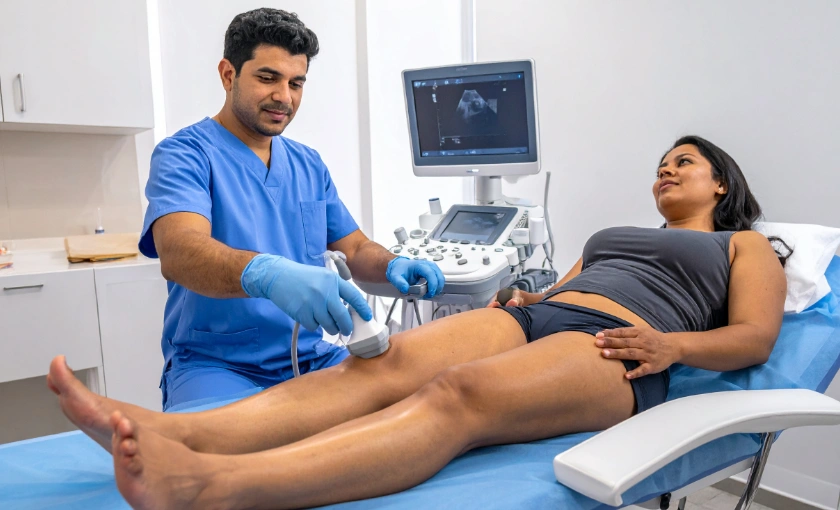
During the procedure, a catheter is guided into the affected vein using ultrasound. Radiofrequency energy generates controlled heat that causes the vein wall to contract and close. Blood is then redirected through other functioning veins.
RFA is commonly performed using local anesthesia and does not require traditional vein stripping surgery.
What Are the Most Common Side Effects of Radiofrequency Ablation?
Most side effects after vein RFA are localized around the treated area and gradually improve during recovery.
Common symptoms can include:
- Mild pain or soreness
- Bruising
- Tenderness along the treated vein
- Tightness or a pulling sensation
- Mild swelling
- Temporary numbness or tingling
- Firmness along the treated vein
The treated area may feel different as inflammation settles and the closed vein gradually changes after treatment.
Bruising After RFA
Some bruising can develop around the catheter entry site or along the treatment area.
Bruising is generally temporary and should gradually fade as the leg heals.
Pain or Tenderness After RFA
Mild aching, soreness, or tenderness can occur after treatment.
The discomfort is generally localized to the treated leg and should improve rather than progressively worsen.
Follow the pain-management instructions provided by your treating physician rather than starting new medications on your own.
Tightness or Pulling Along the Treated Vein
Some patients notice a tight, pulling, or firm sensation along the course of the treated vein.
This can occur as the treated vein closes and the surrounding tissue heals.
Numbness or Tingling After RFA
Temporary numbness, tingling, or altered sensation can sometimes occur when small nearby nerves become irritated.
Nerve-related symptoms are recognized complications of thermal vein ablation, although significant nerve injury is uncommon. Evidence comparing endovenous techniques has found RFA associated with relatively low rates of complications such as paresthesia and burns.
Persistent or worsening numbness should be discussed with your vein specialist.
Can Radiofrequency Ablation Cause Phlebitis?
Inflammation can occasionally develop in or around a treated superficial vein after RFA.
This may cause:
- Tenderness
- Localized redness
- Warmth
- Firmness
- A sensitive or cord-like area beneath the skin
Because redness, warmth, and increasing pain can also occur with other complications, contact your provider if symptoms are significant, spreading, or worsening.
What Are the Possible Complications of Radiofrequency Ablation?
RFA is generally considered a minimally invasive treatment, but no procedure is completely without risk.
Less common complications may include:
- Superficial vein inflammation
- Infection
- Nerve irritation or injury
- Skin injury
- Blood clot formation
- Thrombus extending toward a deeper vein
- Deep vein thrombosis
Serious complications are uncommon, but patients should understand the warning signs and follow their post-treatment instructions carefully. Professional guidelines address thrombotic complications specifically as part of post-ablation care.
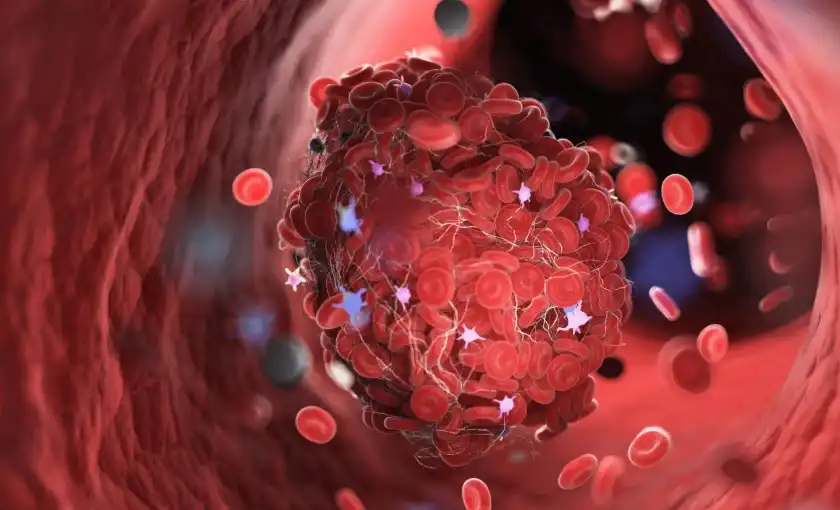
Can Radiofrequency Ablation Cause a Blood Clot?
A blood clot is a possible complication after endovenous vein treatment, although it is not an expected part of routine recovery.
One specific concern following thermal ablation is clot extension from the treated superficial vein toward the deep venous system. Depending on the location and extent, your physician may recommend observation, additional ultrasound imaging, or treatment.
Deep vein thrombosis (DVT) is another potential but uncommon complication.
Follow-up recommendations depend on the procedure performed and your individual risk factors.
How Long Do Side Effects From RFA Last?
There is no identical recovery timeline for every patient.
Mild bruising, tenderness, tightness, or soreness generally improves as the treatment area heals. Some sensations, such as firmness or altered skin sensation, can take longer to fully resolve.
Contact your treating provider if symptoms are becoming worse rather than gradually improving.
Is Swelling Normal After Radiofrequency Ablation?
A small amount of localized swelling can occur following treatment.
However, substantial or rapidly increasing swelling should not simply be assumed to be a normal RFA side effect.
Contact your vein specialist if swelling is:
- Significant
- Increasing
- Associated with worsening pain
- Accompanied by marked redness or warmth
- Different from what your provider told you to expect
What Should You Expect During RFA Recovery?
Many people can walk soon after radiofrequency ablation and return relatively quickly to routine activities. RFA is typically performed as a minimally invasive outpatient procedure rather than traditional open vein surgery.
Your individual instructions may include:
- Walking regularly
- Avoiding prolonged inactivity
- Temporarily limiting strenuous activity
- Caring for the catheter entry site
- Wearing compression if recommended
- Attending follow-up appointments when advised
Follow the instructions from your treating specialist because recommendations can vary based on the veins treated and other procedures performed at the same visit.
When Should You Contact Your Vein Specialist After RFA?
Contact your healthcare provider if you experience symptoms that are severe, unexpected, or worsening, including:
- Increasing leg pain
- Significant or rapidly increasing swelling
- Spreading redness or warmth
- Drainage or signs of infection around the treatment site
- Persistent or worsening numbness
- New symptoms that concern you
Seek urgent medical attention for symptoms such as sudden shortness of breath or chest pain, which can be associated with a pulmonary embolism and require immediate evaluation.
Are There Long-Term Side Effects of Radiofrequency Ablation?
Most side effects associated with RFA occur during the recovery period rather than becoming permanent problems.
Long-term concerns can include persistent sensory changes or recurrence of venous disease, although these are different from the temporary soreness and bruising commonly experienced shortly after treatment.
Closing one abnormal superficial vein does not prevent new vein problems from developing elsewhere in the future.
Does Closing a Vein With RFA Affect Circulation?
RFA is intended to treat a superficial vein that is not functioning normally.
Once that vein is closed, blood is redirected through other functioning veins rather than continuing to pool or reflux through the abnormal vessel. The Society for Vascular Surgery describes endovenous ablation as closing the refluxing vein so it no longer allows backward blood flow into the varicose veins.
Is Radiofrequency Ablation Safe for Varicose Veins?
RFA is an established treatment for appropriate patients with symptomatic superficial venous insufficiency. Society for Vascular Surgery and American Venous Forum clinical guidelines include thermal endovenous ablation among treatment approaches for symptomatic varicose veins with superficial venous reflux.
Whether it is appropriate for you depends on your vein anatomy, symptoms, medical history, and ultrasound findings.
Is Radiofrequency Ablation Right for You?
RFA may be recommended when an ultrasound examination identifies venous reflux in a vein that can appropriately be treated with thermal ablation.
At BASS Vein Center, our vein specialists evaluate varicose veins and chronic venous insufficiency and can determine whether radiofrequency ablation or another treatment is appropriate.
Request a vein evaluation or call 925-477-3030 to discuss your symptoms and treatment options.
Frequently Asked Questions
What are the most common side effects of radiofrequency ablation for varicose veins?
Common temporary side effects can include soreness, bruising, tenderness, tightness, mild swelling, and temporary numbness or tingling around the treated area.
How painful is radiofrequency ablation recovery?
Some soreness or tenderness can occur after RFA, but the procedure is minimally invasive and is commonly performed using local anesthesia. Recovery varies between patients.
Is it normal to have a hard vein after radiofrequency ablation?
The treated area can sometimes feel firm or tight while the vein closes and the surrounding tissue heals. If firmness is associated with worsening redness, swelling, warmth, or pain, contact your healthcare provider.
Can radiofrequency ablation cause nerve damage?
Temporary numbness or tingling can occur following thermal vein treatment. Significant nerve injury is less common, but persistent sensory changes should be evaluated by your treating physician.
Can RFA cause a blood clot?
Blood clots and thrombotic complications are possible after endovenous ablation but are uncommon. Contact your physician if you develop significant new swelling, worsening pain, or other concerning symptoms.
How long does recovery take after radiofrequency ablation?
Many people resume routine activities relatively quickly after RFA, but soreness, bruising, tightness, or other localized symptoms may take longer to completely resolve. Follow the recovery instructions provided by your vein specialist.
Note: Coverage varies between insurance plans. Please check with your insurance provider before scheduling. BASS Vein Center will verify your benefits so you understand any out-of-pocket costs ahead of treatment.
Medical Disclaimer: The information provided in this blog is for educational and informational purposes only and is not intended as medical advice, diagnosis, or treatment. BASS Medical Group does not endorse any specific tests, treatments, procedures, or opinions referenced in this content. Individual results may vary. Always consult with your physician or a qualified healthcare provider regarding any medical concerns or before making changes to your health regimen.