Spider and Varicose Veins Treatments: Sclerotherapy FAQs
Spider veins and varicose veins are common vascular conditions that can affect comfort, circulation, and confidence. While many people pursue treatment for cosmetic reasons, vein issues can also indicate underlying venous insufficiency. Below you’ll find answers to the most frequently asked questions about spider veins, varicose veins, and sclerotherapy—one of the most effective minimally invasive treatment options available.
If you have additional questions after reading this guide, the specialists at BASS Vein Center are here to help.
What Are Spider Veins?
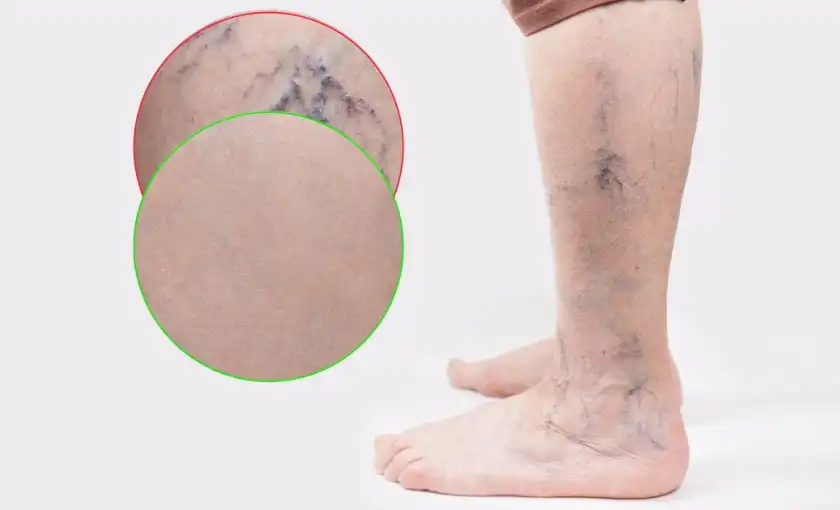
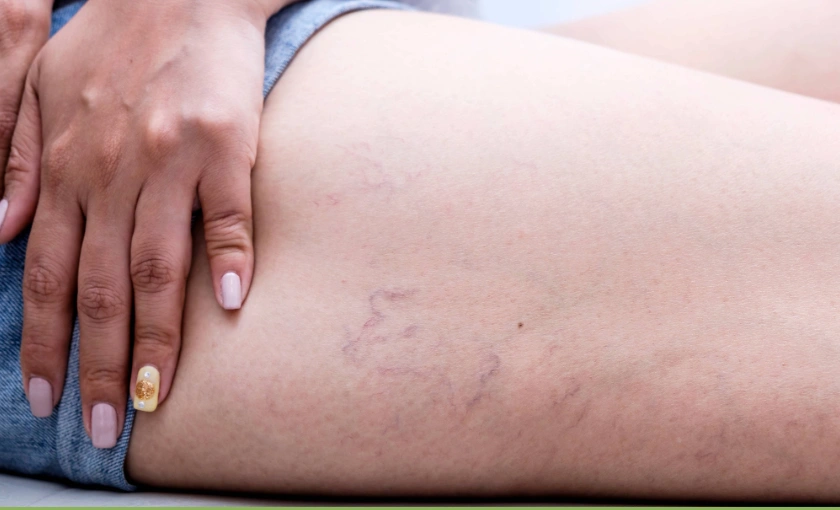
Spider veins are small, damaged veins near the surface of the skin. They often appear as red, blue, or purple “web-like” lines on the legs or face. Spider veins are usually painless and most often treated for cosmetic purposes. Treatment options include:
- Compression stockings
- At-home self-care
- Surface laser therapy
- Sclerotherapy injections
What Are Varicose Veins?
Varicose veins are enlarged, bulging veins caused by weak or damaged vein valves. They most commonly occur in the legs and may cause:
- Aching or heaviness
- Throbbing or burning
- Swelling
- Nighttime leg cramps
- Visible bulging veins
While some patients seek treatment for appearance, varicose veins can also be a sign of chronic venous insufficiency, a progressive condition that requires medical evaluation.
What Causes Spider and Varicose Veins?
Several factors increase the likelihood of developing spider or varicose veins, including:
- Family history
- Pregnancy or hormonal changes
- Menopause
- Prolonged sitting or standing
- Obesity or increased pressure on leg veins
- Age-related valve weakening
- Prior leg injury
Early evaluation can prevent progression to more serious venous disease.
What Are Non-Invasive Treatment Options?
Treatment depends on the severity of your vein condition. Non-invasive or minimally invasive options include:
At-Home Care
- Compression socks or stockings
- Regular movement/exercise
- Leg elevation
- Weight management
- Avoiding long periods of sitting or standing
Laser Treatment for Spider Veins
For tiny surface-level veins, laser therapy can seal veins through controlled heat. It is performed in-office, requires no injections, and has minimal downtime.
What Is Sclerotherapy?
Sclerotherapy is the gold standard treatment for spider veins and small varicose veins. During the procedure, a special medicated solution is injected into the affected veins. This solution irritates the vein walls, causing them to collapse, seal shut, and gradually fade as the body absorbs them.
Sclerotherapy is:
- Minimally invasive
- Performed in-office
- Well-tolerated
- Effective for both cosmetic and symptomatic vein issues
Patients may need multiple sessions for optimal results.
Post-treatment compression stockings are recommended for several days to improve effectiveness and healing.
How Long Does It Take for Spider Veins to Fade After Sclerotherapy?
Most patients begin to see improvement within 4–6 weeks, with full resolution taking several months depending on:
- Vein size
- Number of treated veins
- Skin type
- Whether multiple sessions are needed
Are There Other Treatments for Varicose Veins?
Yes. For larger varicose veins or underlying venous insufficiency, alternative treatments may be recommended:
Endovenous Laser Therapy (EVLT)
A laser fiber is inserted into the vein and heat seals the vein shut.
Best for: larger varicose veins and confirmed venous reflux.
Radiofrequency Ablation (RFA)
Similar to EVLT but uses radiofrequency energy.
Best for: major trunk veins causing symptoms.
Ambulatory Phlebectomy
Tiny incisions remove visible varicose veins at the surface.
Best for: bulging veins near the skin.
Is EVLT Recommended for Spider Veins?
No. Spider veins are too small for EVLT. Sclerotherapy, laser treatment, and self-care are the preferred options. EVLT is reserved for deeper, symptomatic veins that show reflux on ultrasound.
Schedule Your Vein Consultation
Whether you want cosmetic treatment or relief from symptoms, our vein specialists can determine the best option for you.
Call BASS Vein Center at 925-477-3030 or schedule a consultation online. We’ll evaluate your vein health and create a personalized treatment plan.
Frequently Asked Questions
What are spider veins? Spider veins are small, damaged veins near the surface of the skin that appear as red, blue, or purple lines. They are usually cosmetic and can be treated with sclerotherapy, laser therapy, or compression.
What is sclerotherapy? Sclerotherapy is a minimally invasive treatment that uses a medicated solution injected into spider or small varicose veins. This causes the vein to collapse, seal shut, and fade over time.
How long does it take for spider veins to fade after sclerotherapy? Most patients see improvement within 4–6 weeks, though full fading can take several months and may require multiple sessions.
Is EVLT a treatment option for spider veins? No. EVLT is intended for larger varicose veins with venous reflux. Spider veins respond better to sclerotherapy, surface laser therapy, and conservative care.
References
- Johns Hopkins Medicine. Sclerotherapy for Spider and Varicose Veins. https://resources.healthgrades.com/right-care/varicose-vein-removal/sclerotherapy
- American Academy of Dermatology (AAD). Leg Veins: Why They Appear And How Dermatologists Treat Them. https://www.aad.org/public/cosmetic/younger-looking/how-dermatologists-treat-leg-veins
- NCBI Bookshelf. Sclerotherapy. https://www.ncbi.nlm.nih.gov/books/NBK599526/
- Cleveland Clinic. Sclerotherapy. https://my.clevelandclinic.org/health/treatments/6763-sclerotherapy
Note: Coverage varies between insurance plans. Please check with your insurance provider before scheduling. BASS Vein Center will verify your benefits so you understand any out-of-pocket costs ahead of treatment.
Medical Disclaimer: The information provided in this blog is for educational and informational purposes only and is not intended as medical advice, diagnosis, or treatment. BASS Medical Group does not endorse any specific tests, treatments, procedures, or opinions referenced in this content. Individual results may vary. Always consult with your physician or a qualified healthcare provider regarding any medical concerns or before making changes to your health regimen.