Varicose Veins: How to Do a Self-Check at Home
Can You Check for Varicose Veins at Home?
If you have noticed lumps, bulging veins, or swelling in your legs, it is natural to wonder whether they could be varicose veins. While an evaluation by a vein specialist is always recommended for an accurate diagnosis, there is a simple self-check you can perform at home that may help you recognize visible varicose veins.
This self-check is not a substitute for medical care, but it can help you understand whether your symptoms may be vein-related.
What Are Varicose Veins?
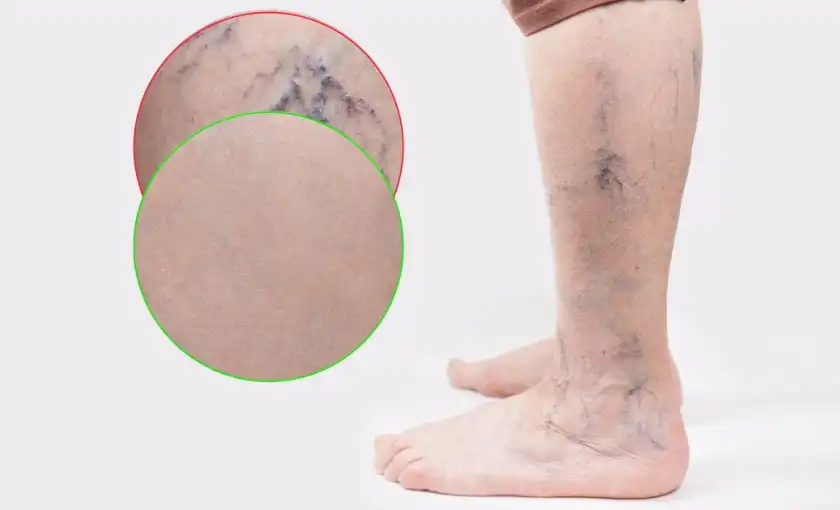
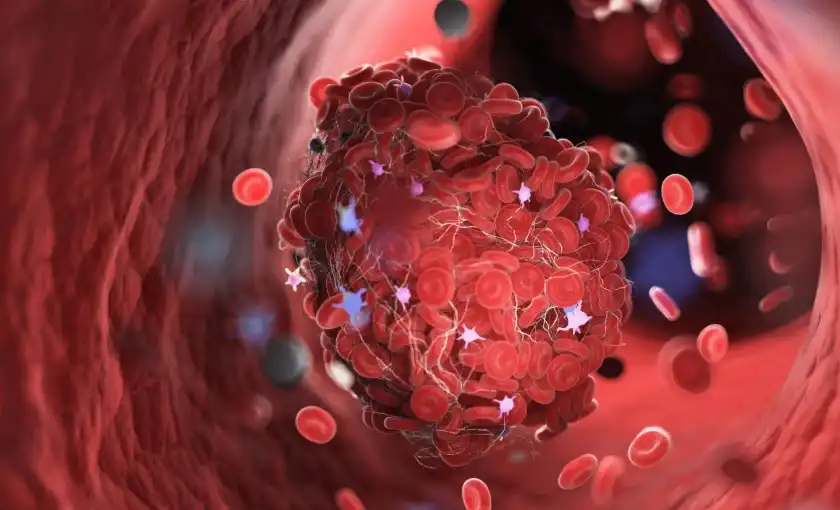
Varicose veins are enlarged, twisted veins that usually appear in the lower legs. They develop when the one-way valves inside the veins become weakened or damaged. Healthy valves help move blood upward toward the heart. When valves fail, blood can flow backward and pool in the vein, causing it to stretch, bulge, and become visible beneath the skin.
Because varicose veins are linked to poor circulation, identifying them early is important for preventing progression and complications.
Conditions That Can Be Mistaken for Varicose Veins
Not all lumps or bumps on the legs are varicose veins. Other conditions that may appear similar include muscle hernias, lipomas, sebaceous cysts, or localized swelling from injury. Unlike varicose veins, these conditions are not affected by changes in body position or blood flow, which is why a self-check can be helpful.
How to Do a Varicose Vein Self-Check at Home
This simple test relies on how blood flow changes with body position.
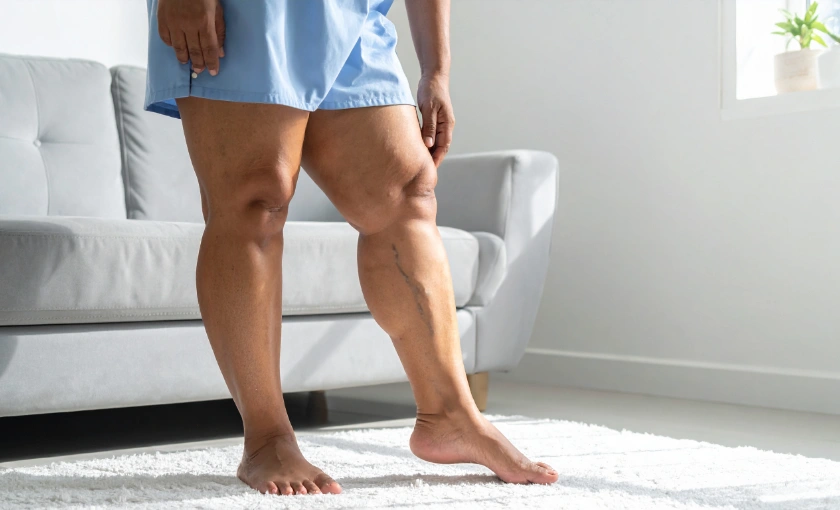
First, stand upright for one to two minutes and allow blood to settle in your legs. Look for bulging or rope-like veins, most commonly in the calves, but also possibly in the thighs, knees, ankles, or feet. Varicose veins may appear raised and feel firm or tense to the touch, and gentle pressure may temporarily flatten them.
Next, lie down and observe whether the bulging veins reduce or soften. Then, raise your leg above the level of your heart. If the veins disappear or significantly reduce when elevated, this suggests they are likely varicose veins. Lumps caused by cysts, lipomas, or muscle hernias will not change with elevation.
What About Varicose Veins You Can’t See?
This self-check only helps identify visible varicose veins. Some people have underlying vein disease without obvious bulging veins. Symptoms of hidden varicose veins or chronic venous insufficiency may include aching or heavy legs, ankle swelling, skin discoloration, itching, leg ulcers, or red or brown stains near the ankles.
When these symptoms are present without visible veins, a diagnostic ultrasound is needed to evaluate blood flow and valve function.
When to See a Vein Specialist
If your self-check suggests varicose veins, or if you have leg pain, swelling, or skin changes, it is important to seek professional evaluation. Early diagnosis allows for more treatment options and may help prevent worsening symptoms or complications.
At BASS Vein Center, our specialists perform comprehensive vein evaluations to determine whether your symptoms are related to varicose veins or another condition. We will explain your diagnosis, review treatment options, and discuss insurance considerations before care begins.
Note: Coverage varies between insurance plans. Please check with your insurance provider before scheduling. BASS Vein Center will verify your benefits so you understand any out-of-pocket costs ahead of treatment.
Medical Disclaimer: The information provided in this blog is for educational and informational purposes only and is not intended as medical advice, diagnosis, or treatment. BASS Medical Group does not endorse any specific tests, treatments, procedures, or opinions referenced in this content. Individual results may vary. Always consult with your physician or a qualified healthcare provider regarding any medical concerns or before making changes to your health regimen.