Venous Ulcers and Chronic Wounds: Why They Don’t Heal and How Treatment Helps
What Is a Venous Ulcer?
A venous ulcer is a chronic wound that usually develops near the ankle or lower leg due to poor circulation caused by chronic venous insufficiency (CVI). Unlike simple cuts or scrapes, venous ulcers often heal slowly—or reopen repeatedly—because the underlying circulation problem prevents normal tissue repair.
Venous ulcers are one of the most common types of chronic leg wounds and require specialized care to heal properly.
Why Venous Wounds Don’t Heal on Their Own
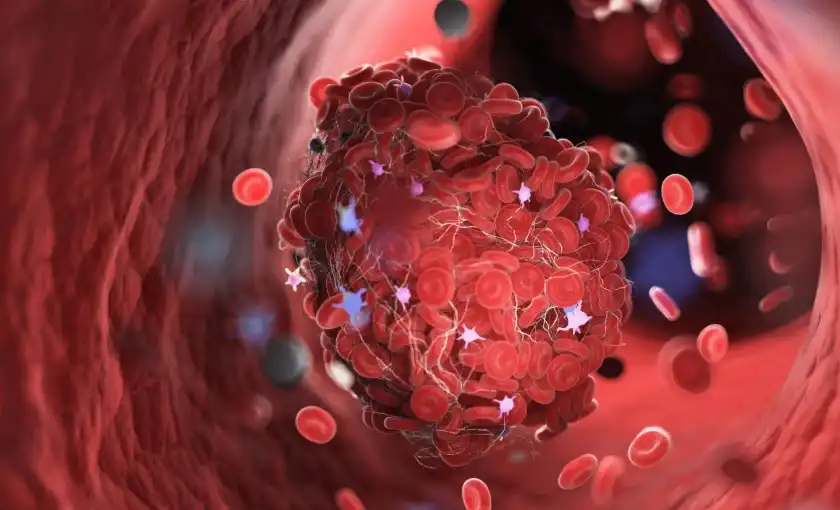
Venous ulcers are not just skin problems. They are the result of long-standing vein valve failure, which allows blood to pool in the legs instead of flowing back to the heart.
This leads to:
- Increased pressure in leg veins
- Swelling and fluid leakage into surrounding tissue
- Reduced oxygen and nutrient delivery to the skin
- Chronic inflammation that impairs healing
Without addressing this circulation issue, even the best wound dressings may fail.
Common Signs of a Venous Ulcer
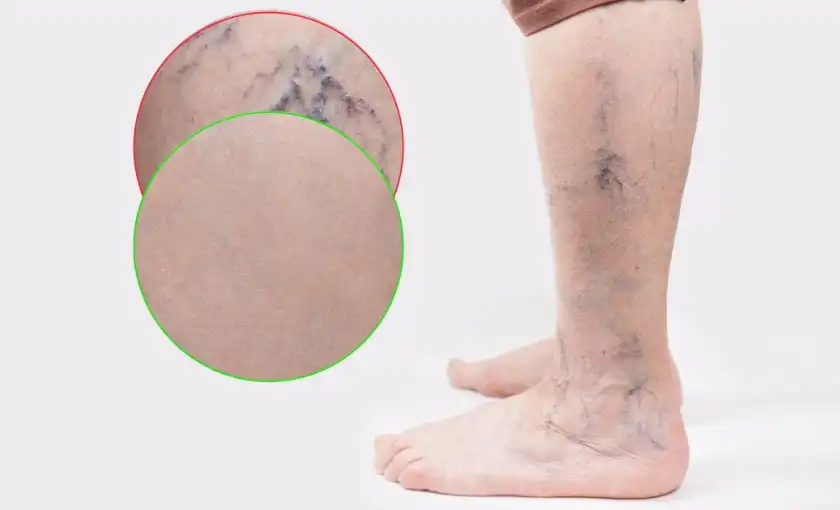
Venous ulcers often begin with skin changes before an open wound appears. Warning signs include:
- Darkening or discoloration of skin near the ankles
- Thick, itchy, or inflamed skin
- Swelling that worsens throughout the day
- A shallow open sore near the ankle that drains fluid
- A wound that heals slowly or keeps reopening
If a leg wound has not healed after several weeks, circulation should be evaluated.
How Venous Ulcers Are Diagnosed
Proper diagnosis involves evaluating both the wound and the underlying veins.
A comprehensive evaluation typically includes:
- Physical examination of the wound and surrounding skin
- Duplex ultrasound to assess venous reflux and obstruction
- Assessment of arterial circulation to ensure safe compression
This step is critical, because treating the wound alone—without treating the vein problem—often leads to recurrence.
Venous Wound Care: What Treatment Involves
Compression Therapy
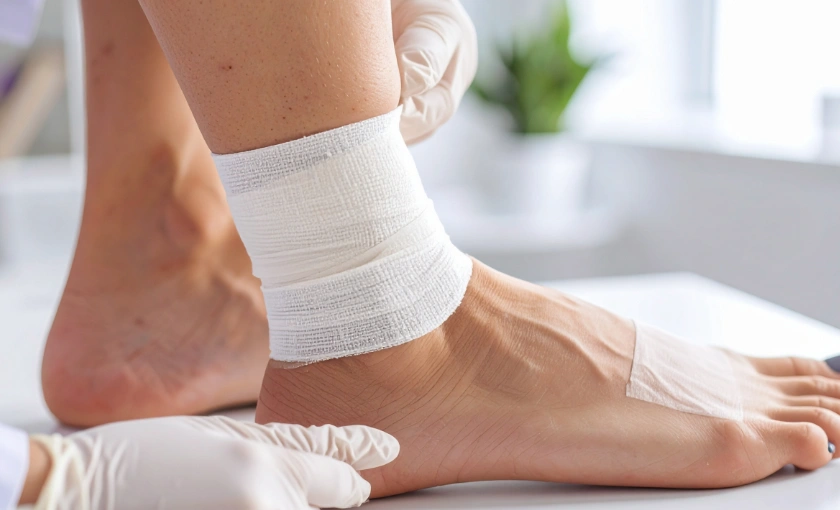
Compression is the foundation of venous ulcer treatment. It reduces swelling, improves blood return, and lowers pressure inside the veins, allowing healing to occur.
Specialized Wound Care
This may include:
- Proper wound cleaning and moisture control
- Removal of unhealthy tissue (debridement) when needed
- Advanced dressings tailored to drainage and healing stage
Treating the Underlying Vein Disease
To achieve lasting healing, venous reflux must be addressed. Depending on ultrasound findings, treatment may include:
- Endovenous ablation (laser or radiofrequency)
- Medical adhesive vein closure (VenaSeal)
- Targeted sclerotherapy
Addressing venous insufficiency significantly improves healing rates and reduces recurrence.
How Long Does It Take for a Venous Ulcer to Heal?
Healing time varies depending on:
- Size and duration of the wound
- Severity of venous insufficiency
- Consistency with compression therapy
- Whether underlying veins are treated
With appropriate care, many venous ulcers show improvement within weeks. Long-standing ulcers may take longer but still benefit from comprehensive treatment.
Can Venous Ulcers Come Back?
Yes—if the underlying vein disease is not treated. Recurrence is common when wounds are managed without correcting venous reflux.
Long-term prevention typically includes:
- Ongoing compression use
- Treatment of venous insufficiency
- Skin care and monitoring for early changes
When to Seek Specialized Venous Wound Care
You should seek specialized care if:
- A leg wound has not healed after 2–4 weeks
- A wound keeps reopening
- There is increasing swelling, drainage, or skin discoloration
- You have a history of varicose veins or CVI
At BASS Vein Center, our team combines advanced wound care with vein-focused treatment to address the root cause of venous ulcers—not just the surface wound.
To schedule an evaluation, call 925-477-3030 or use our secure web form.
Note: Coverage varies between insurance plans. Please check with your insurance provider before scheduling. BASS Vein Center will verify your benefits so you understand any out-of-pocket costs ahead of treatment.
Medical Disclaimer: The information provided in this blog is for educational and informational purposes only and is not intended as medical advice, diagnosis, or treatment. BASS Medical Group does not endorse any specific tests, treatments, procedures, or opinions referenced in this content. Individual results may vary. Always consult with your physician or a qualified healthcare provider regarding any medical concerns or before making changes to your health regimen.