Why Doctors No Longer Strip Veins
Why Vein Stripping Is No Longer the Standard of Care
Many patients still believe varicose vein treatment requires vein stripping surgery, an older hospital-based procedure that involved removing entire veins through large incisions. Today, vein stripping is rarely performed because it has been replaced by safer, less invasive treatments that target only diseased veins while preserving healthy circulation.
What Vein Stripping Was
Vein stripping was a surgical procedure performed under general anesthesia that removed the saphenous vein through multiple incisions in the leg. While effective at the time, it required significant recovery, carried higher complication risks, and removed veins that are now known to be important for future circulation or bypass procedures.
Why Doctors Stopped Stripping Veins
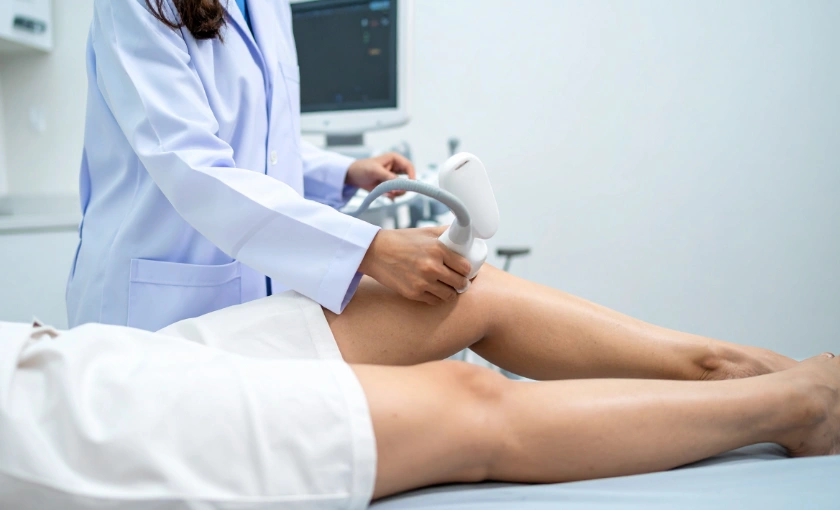
Advances in ultrasound imaging allow vein specialists to precisely identify venous reflux and treat only malfunctioning veins. Modern treatments reduce pain, scarring, infection risk, and recovery time. Patients can now walk immediately after treatment and return to normal activities within days instead of weeks.
What Replaced Vein Stripping
Most varicose veins are now treated with minimally invasive procedures such as radiofrequency ablation, endovenous laser ablation, and medical adhesive closure. These treatments close diseased veins from the inside, allowing blood to naturally reroute to healthy veins without surgical removal.
Is Surgery Still Used for Varicose Veins
In some cases, surgery is still appropriate—but not vein stripping. Ambulatory phlebectomy is a modern surgical technique that removes large surface varicose veins through tiny micro-incisions using local anesthesia. It offers immediate cosmetic and symptom improvement with minimal scarring and rapid recovery.
Why Ambulatory Phlebectomy Is Different From Vein Stripping
Unlike vein stripping, ambulatory phlebectomy removes only visible problem veins, not entire vein systems. It is performed in-office, does not require general anesthesia, and has a much lower complication rate with faster healing.
Does Insurance Cover Modern Vein Treatments
Most insurance plans cover modern vein treatments when they are medically necessary, such as when patients experience pain, swelling, heaviness, itching, skin changes, or venous reflux confirmed by ultrasound. Conservative measures like compression stockings are often required before approval.
Patients can view the most up-to-date list of accepted insurance plans on the Insurances We Accept page at BASS Vein Center. Coverage varies by plan, and benefits are always verified before treatment.
When to See a Vein Specialist
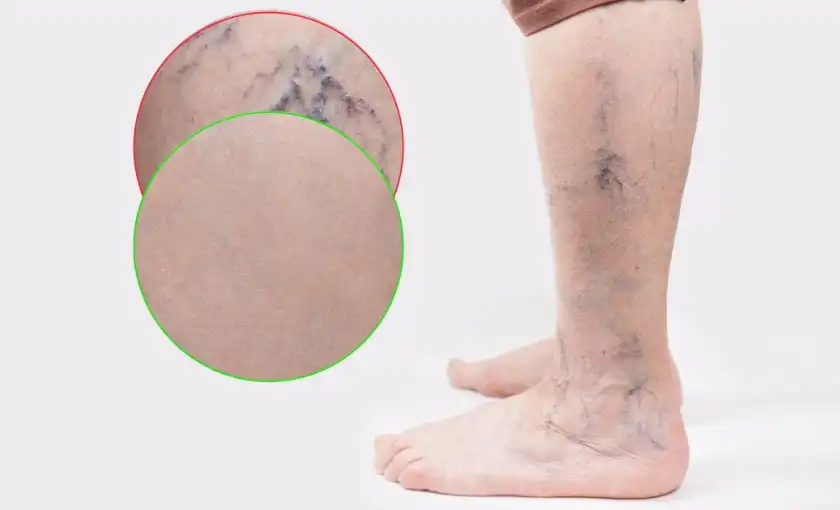
If you have bulging varicose veins, leg discomfort, swelling, skin discoloration, or symptoms that worsen throughout the day, evaluation by a vein specialist can determine whether modern, minimally invasive treatment is appropriate and prevent disease progression.
Note: Coverage varies between insurance plans. Please check with your insurance provider before scheduling. BASS Vein Center will verify your benefits so you understand any out-of-pocket costs ahead of treatment.
Medical Disclaimer: The information provided in this blog is for educational and informational purposes only and is not intended as medical advice, diagnosis, or treatment. BASS Medical Group does not endorse any specific tests, treatments, procedures, or opinions referenced in this content. Individual results may vary. Always consult with your physician or a qualified healthcare provider regarding any medical concerns or before making changes to your health regimen.