BASS Vein Center brings you expert articles and resources to help you maintain a healthy, pain-free life!
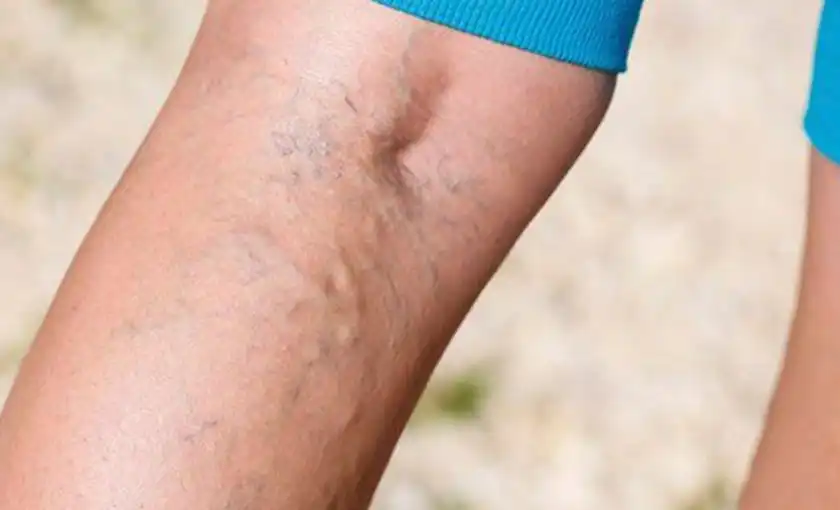
Do you have varicose veins? Find the best vein treatment near you today at BASS Vein Center. Learn the signs and what to do to help keep your veins healthy.
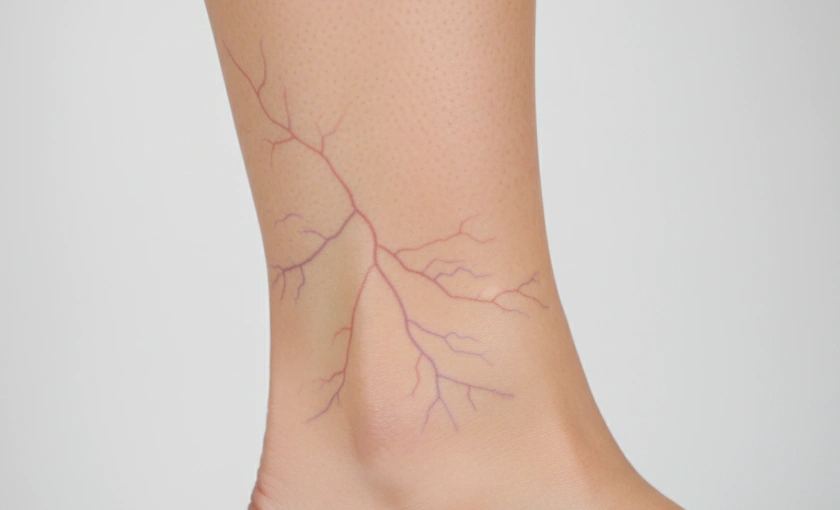
Unfortunately, once we get spider veins, if we are not careful, they can spread to other parts in our body. Here is how you can stop them from spreading.
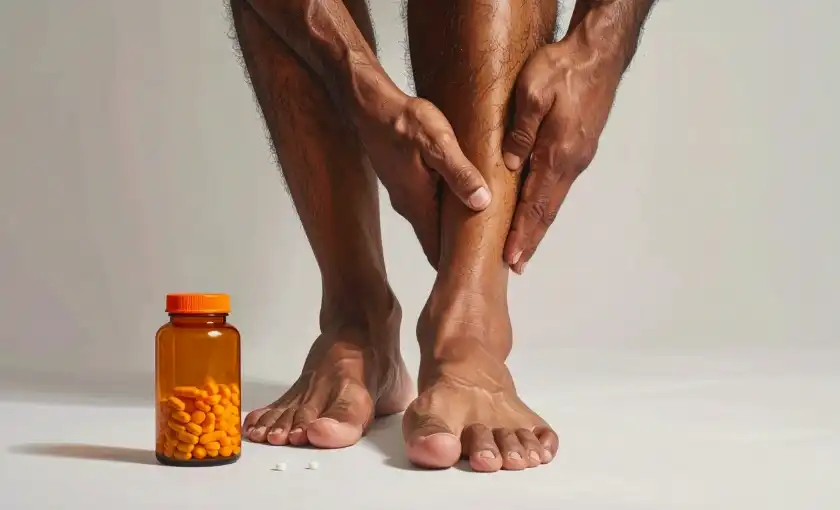
Learn which medications can cause leg cramps, including diuretics and blood pressure medicines, why cramps may happen at night, and when to seek treatment.
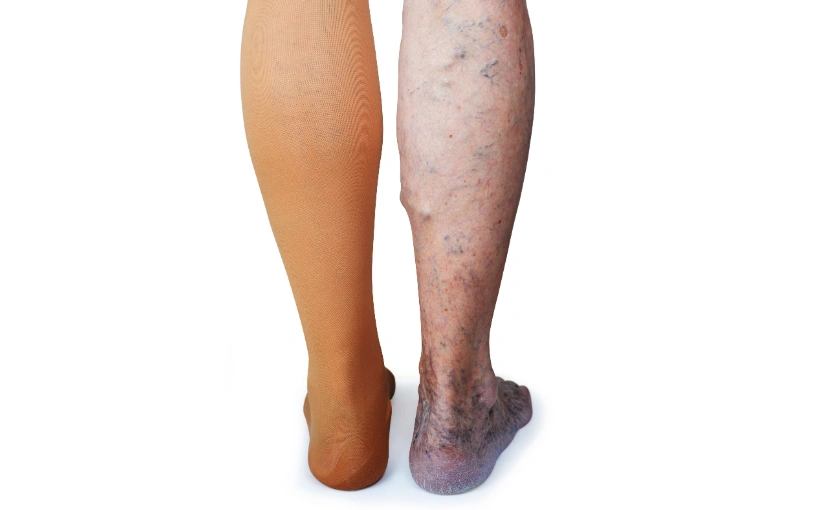
Did you know? There are many ways to treat varicose veins and some are minimally invasive! Keep reading to know whether these treatments may be right for you!
Discover five simple, effective methods to relieve varicose vein pain at home. Learn what causes varicose veins and when to seek treatment at BASS Vein Center.
Are you considering getting a VenaSeal treatment for varicose veins? Here are crucial questions to ask your doctor and know if it is the right treatment for you.
Check out these five questions you can ask your varicose veins doctor about radiofrequency ablation therapy today.
Varicose veins are caused by veins swelling from the blood that fails to reach the heart. Lifestyle changes can stop additional veins from forming and decrease the pain that they cause.
Spider veins are often caused by genetics, prolonged standing, pregnancy, or circulation issues. Learn the top causes and when treatment may help.
Learn which exercises help improve circulation and reduce varicose vein symptoms, including walking, calf raises, cycling, and more.
Learn the three most common causes of venous leg ulcers and how conditions like CVI, injuries, and underlying diseases contribute. Get expert care at BASS Vein Center.
Learn the symptoms of nerve damage after varicose vein treatment, including numbness, tingling and sharp pain after ablation, phlebectomy or vein surgery.
If you are looking for varicose veins treatment, give BASS Vein Center a call at (925) 329-3718. Whether its for cosmetic purposes or to treat an underlying vein disease, BASS Vein Center is here to help. Our vein specialists will be more than happy to discuss the three most common myths about varicose veins with you.
Learn which foods support healthy blood circulation, including foods for better blood flow in the legs, plus lifestyle tips for supporting vascular health.
While genetics does play a role in the development of varicose veins, these same lifestyle changes and practices can be implemented to mitigate your risk—even with a strong family history.