BASS Vein Center brings you expert articles and resources to help you maintain a healthy, pain-free life!
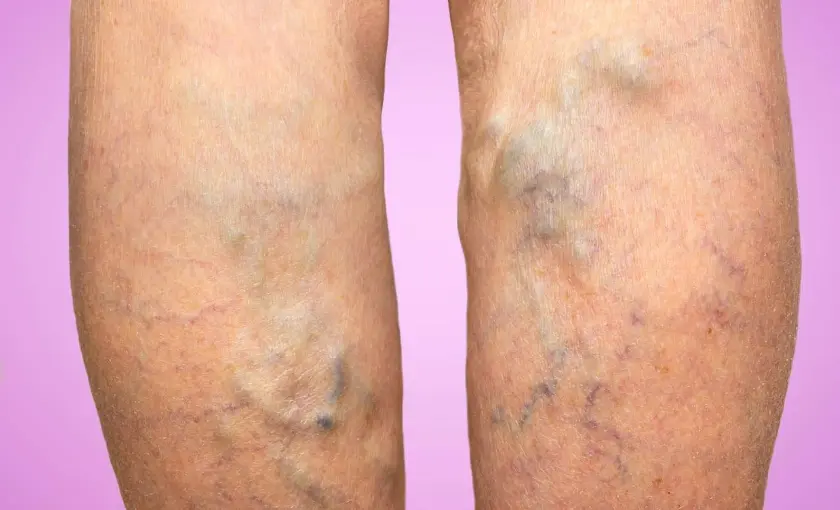
Varicose veins are not pretty and can interfere with daily activities. Varicose veins don’t typically appear right away. Instead, they form over time, and their visible effects might not be noticed immediately. Get Varicose Vein Treatment at the BASS Vein Center.
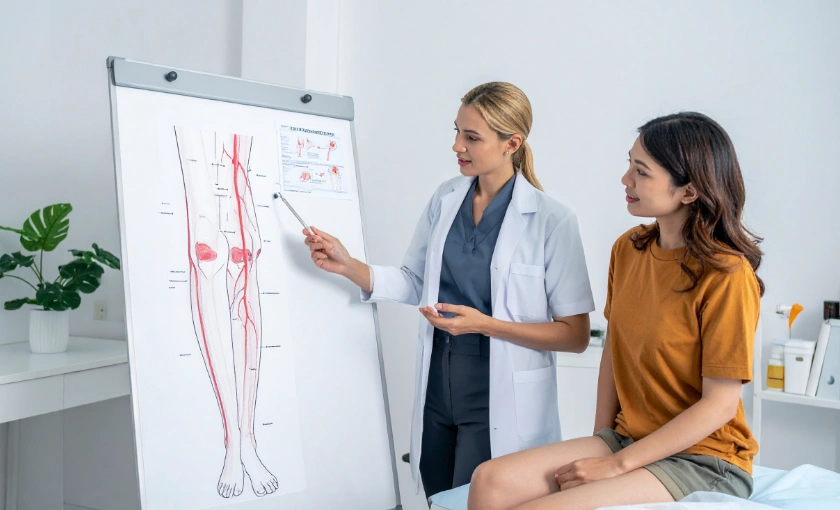
Dr. Rajiv Nagesetty discusses the different types of vein treatments available for patients.
Suffering from varicose veins? Read this to learn about all the best varicose vein treatment options available, and which treatment is right for you.
Learn the short- and long-term side effects of vein ablation, including pain, numbness, recurrence, blood clots, RFA and EVLA complications.
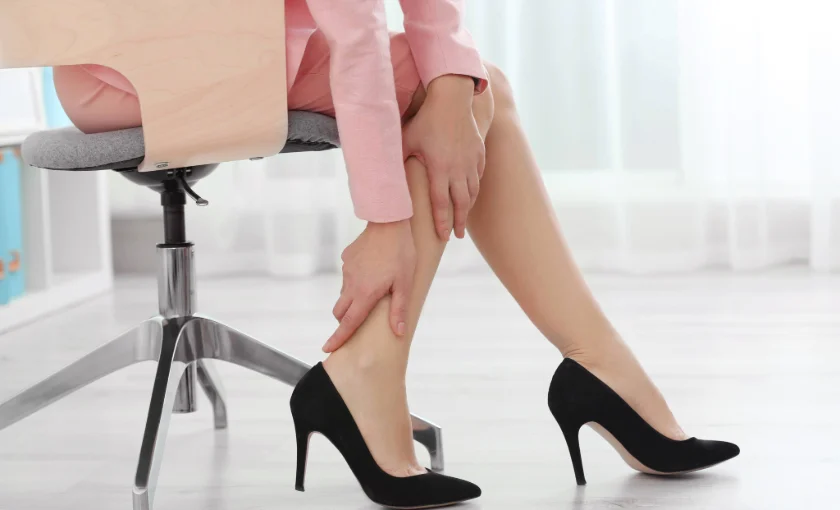
What causes leg pain? Learn about calf pain from veins, muscles and circulation, plus whether anemia or low iron can cause leg pain, weakness or cramping.
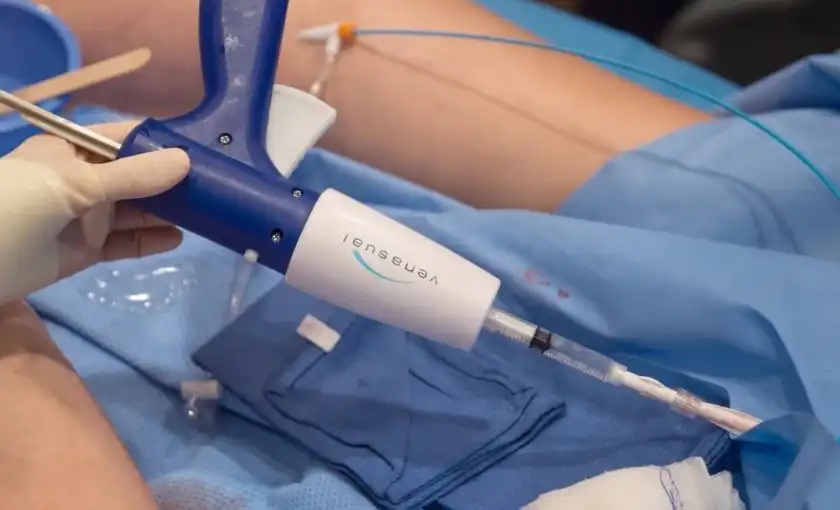
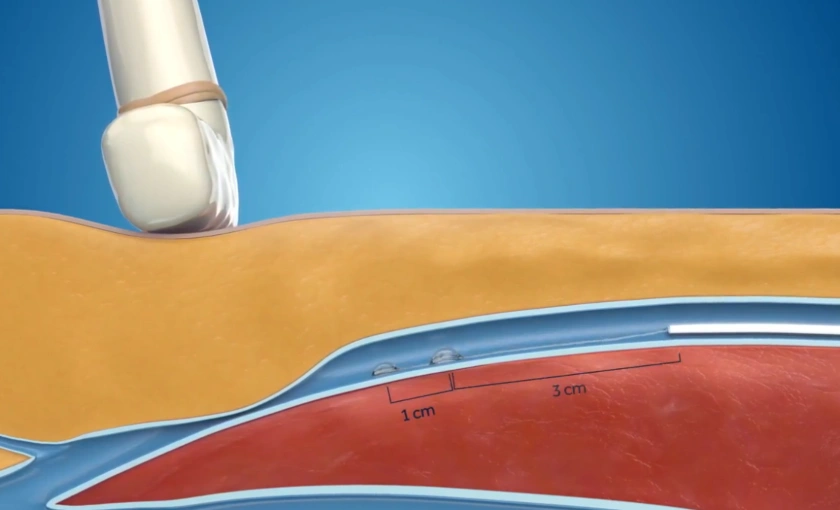
Learn what happens after VenaSeal treatment, recovery expectations, risks, and how sealed veins improve circulation and symptoms.
The VenaSeal procedure can reduce or stop the backward flow of blood caused by venous reflux disease. Here’s how this treatment can improve many venous issues.
VenaSeal is one of the most recent treatment options for patients suffering from varicose vein issues. Here we explain what to expect from the recovery.
Is VenaSeal safe for varicose veins? Learn how VenaSeal works, its risk of nerve damage, possible side effects, and how it compares with other vein treatments.
Varicose veins can lead to leg ulcers if left untreated. Learn the warning signs, causes, and treatment options to improve circulation and support healing.
The VenaSeal procedure is a type of minimally invasive varicose vein treatment. Here is what you can expect from the recovery of a VenaSeal procedure.
A phlebotomist is trained to give shots, draw blood, and deal closely with veins. They are vein specialists trained to perform all sorts of bloodwork involving needles. They are not trained doctors or surgeons. Phlebotomists usually need a year to two years of training earned through a certificate or associate’s degree.
While there are many options to treat varicose veins, if possible, specialists often recommend laser treatments. Here we explain why they choose to do so.
Unlike men, women are more likely to suffer from varicose veins. Here we explain the main causes behind why this happens and how women can prevent having them.
VenaSeal is a vein treatment that uses cyanoacrylate to close and seal varicose veins. Learn here about the advantages treating varicose veins with VenaSeal.