
What Causes Leg Pain? Veins, Muscles, Circulation & Low Iron
Leg pain can come from many different sources, including muscles, nerves, joints, veins, arteries, and certain medical conditions that affect the entire body.
Common causes of leg pain include muscle strain, varicose veins, chronic venous insufficiency, nerve irritation, arthritis, peripheral artery disease, and blood clots. Iron-deficiency anemia may contribute to weakness, exercise intolerance, or uncomfortable leg sensations, particularly when it is associated with restless legs syndrome, but it is not a typical cause of isolated calf pain.
Where your leg hurts, what the pain feels like, when it occurs, and whether you have swelling or other symptoms can provide important clues about the cause.
What Are the Most Common Causes of Leg Pain?
Leg pain can originate from several different systems in the body.
Common causes include:
- Muscle strain or overuse
- Muscle cramps
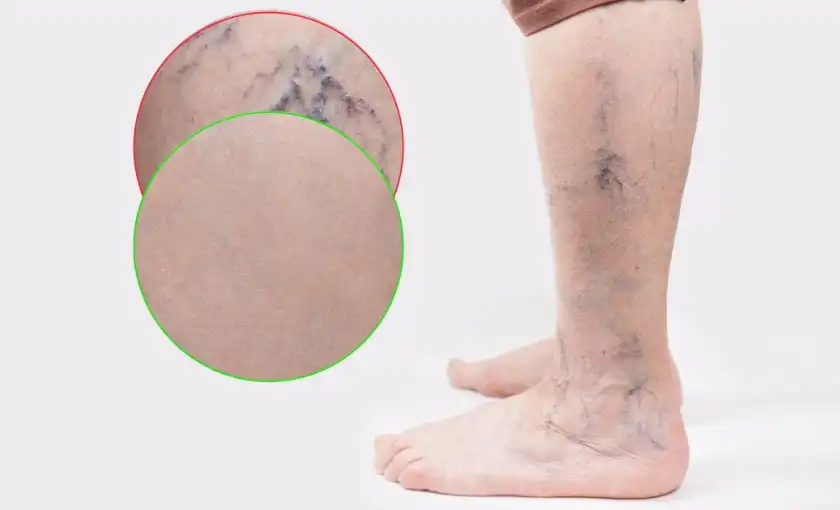
- Varicose veins
- Chronic venous insufficiency
- Nerve irritation or sciatica
- Arthritis or joint problems
- Peripheral artery disease
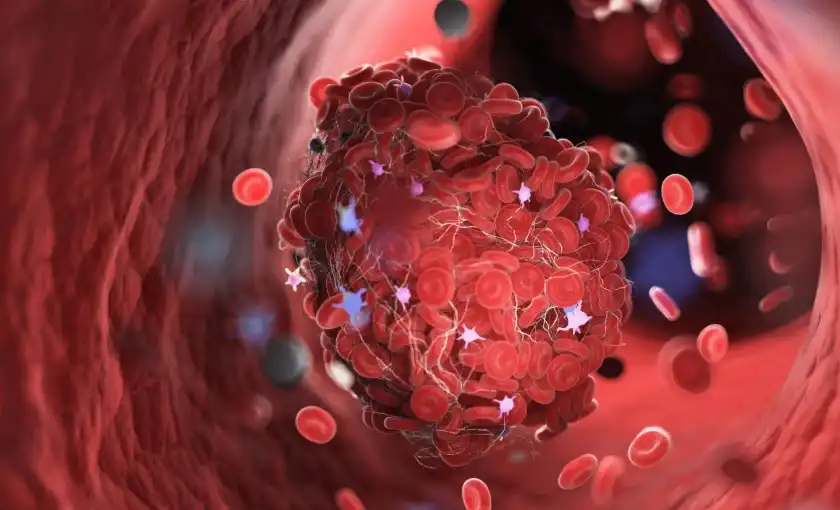
- Deep vein thrombosis
- Injury
- Restless legs syndrome
- Medical conditions that cause weakness or fatigue, including anemia
Some causes are temporary and improve with rest. Others require medical evaluation.
Why Do My Calves Hurt?
Calf pain is common because the calf contains muscles, nerves, arteries, veins, and other structures that can all produce symptoms.
Possible causes of calf pain include:
- Muscle strain
- Overuse during exercise
- Muscle cramping
- Nerve irritation
- Varicose veins
- Chronic venous insufficiency
- Peripheral artery disease
- Deep vein thrombosis
- Other injuries or medical conditions
The pattern of pain matters.
For example, chronic venous insufficiency can cause aching, heaviness, swelling, painful legs, and calf tightness, while DVT can produce calf or thigh swelling, pain, tenderness, warmth, and skin discoloration.
Sudden or unexplained calf pain, particularly when accompanied by one-sided swelling or warmth, should be evaluated promptly.
Can Varicose Veins Cause Leg Pain?
Yes. Varicose veins can cause aching, heaviness, throbbing, burning, swelling, cramping, and other types of leg discomfort.
Varicose veins develop when superficial leg veins become enlarged as a result of increased pressure and abnormal blood flow.
Symptoms may become more noticeable:
- After prolonged standing
- Toward the end of the day
- During warm weather
- When the legs are swollen
Chronic venous insufficiency can also produce swelling, painful legs, calf heaviness, cramping, skin discoloration, and visible varicose veins.
Learn more about varicose veins.
What Does Vein-Related Leg Pain Feel Like?
Vein-related pain is often described as:
- Aching
- Heaviness
- Throbbing
- Burning
- Tightness
- Cramping
- Leg fatigue
- Tenderness
Swelling around the ankles or lower legs may also occur.
Symptoms related to chronic venous insufficiency often become more noticeable after prolonged standing and may improve with elevation or compression when appropriate.
Visible veins are not always present, so unexplained heaviness, swelling, or aching may still warrant evaluation.
Can Anemia Cause Leg Pain?
Anemia can contribute to symptoms involving the legs, but leg pain is not one of the most characteristic symptoms of iron-deficiency anemia.
Iron-deficiency anemia more commonly causes:
- Fatigue
- Weakness
- Reduced exercise tolerance
- Dizziness
- Headaches
- Shortness of breath
- Heart palpitations
- Cold hands and feet
Iron deficiency is also associated with restless legs syndrome, which can cause uncomfortable sensations in the legs and an urge to move them.
Restless legs sensations may be described as:
- Aching
- Tingling
- Burning
- Creeping
- Jittery or uncomfortable sensations
These symptoms usually behave differently from a pulled muscle, varicose vein pain, or DVT.
Can Low Iron Cause Leg Pain?
Low iron can be associated with uncomfortable leg symptoms, particularly through its relationship with restless legs syndrome, but it should not automatically be assumed to be the cause of localized leg pain.
Iron is necessary for producing hemoglobin, the protein in red blood cells that carries oxygen throughout the body. When iron deficiency becomes severe enough to cause anemia, fatigue and weakness become common.
Low iron can also cause or worsen restless legs syndrome. Mayo Clinic identifies iron deficiency as an established contributor to RLS.
If your leg symptoms occur primarily at rest or at night and create an uncomfortable urge to move your legs, iron deficiency may be worth discussing with your healthcare provider.
Persistent pain in one specific area of the leg should be evaluated for other causes as well.
What Does Iron-Deficiency Leg Pain Feel Like?
There is no specific pattern of pain that can reliably be called “iron-deficiency leg pain.”
When iron deficiency contributes to leg symptoms through restless legs syndrome, people may experience uncomfortable sensations in the:
- Calves
- Thighs
- Feet
These sensations can include aching, tingling, burning, or an urge to move the legs. Symptoms commonly occur during rest and may become more noticeable in the evening or at night.
This is different from many vascular causes of leg pain.
For example:
- Venous disease: heaviness, aching and swelling may worsen after prolonged standing.
- Peripheral artery disease: cramping or discomfort may appear during walking and improve with rest.
- DVT: pain may develop with one-sided swelling, warmth or tenderness.
- Restless legs syndrome: discomfort generally develops during rest and creates an urge to move.
The pattern of symptoms can therefore be important when determining the cause.
Can Low Hemoglobin Cause Leg Pain?
Low hemoglobin means the blood has a reduced capacity to carry oxygen.
Depending on the cause and severity, low hemoglobin can contribute to:
- Fatigue
- Weakness
- Reduced exercise tolerance
- Shortness of breath
- Dizziness
- A faster heartbeat
These effects may make the legs feel weak or tired during activity, but low hemoglobin should not automatically be considered the cause of focal calf pain or a painful vein.
If you have known anemia and develop new, significant, or one-sided leg pain, another cause may need to be considered.
Can Anemia Cause Muscle Cramps?
Muscle cramping has many potential causes, and anemia is not one of the most specific explanations.
Iron deficiency is more clearly associated with restless legs syndrome than with ordinary muscle cramps. Restless legs syndrome is sometimes confused with nighttime leg cramps, but the conditions are different.
Possible causes of muscle cramps include:
- Muscle fatigue
- Overuse
- Dehydration
- Certain medications
- Nerve conditions
- Circulation problems
- Other medical conditions
Recurring or unexplained muscle cramps should be evaluated based on the complete symptom pattern.
Can Anemia Cause Swollen Ankles?
Swollen ankles are not a typical early symptom of uncomplicated iron-deficiency anemia.
Ankle swelling is more commonly associated with conditions involving circulation, veins, the heart, kidneys, medications, or other medical problems.
Chronic venous insufficiency, for example, commonly causes swelling in the lower legs and ankles along with heaviness, aching, skin changes, and varicose veins.
Severe anemia can place additional strain on the cardiovascular system in some circumstances, but ankle swelling should not automatically be attributed to low iron.
Persistent or unexplained swelling deserves medical evaluation.
How Is Iron Deficiency Diagnosed?
Symptoms alone cannot determine whether someone has iron deficiency.
Healthcare providers may use blood testing to evaluate:
- Hemoglobin
- Hematocrit
- Ferritin
- Iron levels
- Other measures of red blood cells and iron status
A ferritin blood test can help assess the body's iron stores and may be used when iron deficiency or restless legs syndrome is suspected.
Do not begin high-dose iron supplementation simply because your legs hurt.
Mayo Clinic specifically recommends checking iron levels and using iron supplementation under medical supervision when iron deficiency is being treated in connection with restless legs syndrome.
How Is Leg Pain Due to Iron-Deficiency Anemia Treated?
If testing confirms iron-deficiency anemia, treatment focuses on correcting the iron deficiency and determining why it developed.
Treatment may vary depending on:
- Severity of the deficiency
- Underlying cause
- Diet
- Blood loss
- Ability to absorb iron
- Other medical conditions
Iron treatment should be directed by a healthcare professional because taking iron when it is not needed can cause problems.
When iron deficiency contributes to restless legs syndrome, correcting the deficiency may improve the leg symptoms in some patients.
However, treating iron deficiency would not be expected to correct leg pain caused by varicose veins, DVT, PAD, arthritis, or a muscle injury.
What Is Muscle-Related Leg Pain?
Muscle strain and overuse are common causes of temporary leg pain.
Muscle-related symptoms may include:
- Soreness after activity
- Tightness
- Tenderness
- Cramping
- Pain with movement
- Improvement with rest
A recent increase in exercise, lifting, running, prolonged standing, or an unusual movement may provide a clue.
Persistent pain or symptoms occurring without an obvious muscular cause may need further evaluation.
What Does Nerve Pain in the Leg Feel Like?
Nerve-related leg pain often feels different from vein or muscle pain.
Possible symptoms include:
- Sharp or shooting pain
- Burning
- Tingling
- Pins and needles
- Numbness
- Pain traveling from the back into the leg
Sciatica is one common example of nerve-related leg pain.
Vitamin B12 deficiency can also cause neurological symptoms including tingling, pain, difficulty walking, and abnormal movements, which is another reason not to assume all deficiency-related leg symptoms are caused by low iron.
Can Arthritis Cause Leg Pain?
Yes.
Problems involving the knee, hip, or other joints can produce pain that extends into nearby areas of the leg.
Joint-related symptoms may include:
- Stiffness
- Pain with movement
- Reduced range of motion
- Swelling around the joint
- Difficulty walking or using stairs
Pain centered around a joint and triggered by particular movements may suggest a musculoskeletal cause rather than a vein problem.
Can Poor Circulation Cause Leg Pain?
Yes. Both venous and arterial circulation problems can cause leg pain, but the symptoms often follow different patterns.
Venous circulation problems such as chronic venous insufficiency may cause:
- Aching
- Heaviness
- Swelling
- Varicose veins
- Calf tightness
- Skin changes
Arterial circulation problems such as peripheral artery disease may cause pain or cramping during activity when the muscles are not receiving sufficient blood flow.
Understanding whether pain develops after standing, while walking, or during rest can help distinguish possible causes.
What Is Peripheral Artery Disease Leg Pain?
Peripheral artery disease, or PAD, involves narrowing of arteries that supply blood to the limbs.
One characteristic symptom is claudication, which is muscle pain or cramping that develops during physical activity and improves with rest.
PAD is different from venous insufficiency.
Venous disease involves difficulty returning blood toward the heart, while PAD involves reduced arterial blood flow toward the legs.
A vascular evaluation can help distinguish between the two.
Can a Blood Clot Cause Calf Pain?
Yes. Deep vein thrombosis can cause calf or thigh pain.
Possible DVT symptoms include:
- Swelling in the affected leg
- Pain or tenderness
- Warmth
- Redness or discoloration
- Visible or enlarged surface veins
- Heaviness
DVT can also occur without obvious symptoms.
Sudden one-sided calf pain accompanied by swelling, warmth, or discoloration deserves prompt medical evaluation.
Is Pain in One Leg More Concerning Than Pain in Both Legs?
The fact that pain affects one leg does not automatically mean it is dangerous.
Muscle injuries and nerve problems frequently affect only one side.
However, new one-sided leg pain combined with swelling, warmth, redness, or tenderness can occur with DVT and should be evaluated promptly.
Other possible causes of one-sided leg pain include:
- Muscle injury
- Sciatica
- Varicose veins
- Venous insufficiency
- Peripheral artery disease
- Joint problems
The associated symptoms and timing are more informative than the side alone.
What Causes Lower Leg Pain in Women?
Women can experience the same muscular, neurological, arterial, and venous causes of leg pain as men.
Certain factors can also influence risk for specific conditions.
For example:
- Pregnancy can increase pressure on leg veins.
- Hormonal factors may influence venous disease.
- Varicose veins are common during and after pregnancy.
- Heavy menstrual bleeding can contribute to iron deficiency.
- Iron deficiency can contribute to restless legs syndrome.
Mayo Clinic notes that heavy menstrual bleeding is one possible cause of iron deficiency associated with restless legs syndrome.
The presence of leg pain in a woman does not by itself identify the cause.
How Can You Tell Muscle Pain From Vein Pain?
There can be overlap, but the pattern sometimes provides clues.
Muscle pain often:
- Follows exercise or injury
- Is tender when the muscle is used
- Improves as the injury heals
Venous pain may:
- Feel achy or heavy
- Be associated with swelling
- Occur with visible varicose veins
- Become worse after prolonged standing
- Become more noticeable later in the day
The Society for Vascular Surgery notes that chronic venous insufficiency symptoms may be exacerbated by prolonged standing and heat and can improve with leg elevation or compression.
An examination or vascular ultrasound may be needed when the cause is unclear.
When Should You Worry About Leg Pain?
Seek medical evaluation for leg pain that is:
- Sudden
- Severe
- Persistent
- Progressively worsening
- Limiting your ability to walk
- Associated with significant swelling
- Associated with redness or warmth
- Accompanied by new skin discoloration
- Occurring around a painful swollen vein
Seek urgent medical care for leg symptoms accompanied by new chest pain, shortness of breath, fainting, or other signs that could indicate a pulmonary embolism. A pulmonary embolism can occur when a clot from a DVT travels to the lungs.
When Should I See a Vein Specialist for Leg Pain?
Consider a vascular evaluation when your leg pain is associated with:
- Aching or heaviness
- Swelling around the ankles
- Painful varicose veins
- Bulging veins
- Skin discoloration
- Persistent calf tightness
- Symptoms that become worse after standing
- Previous vein problems
These symptoms can occur with venous insufficiency.
Duplex ultrasound can evaluate the leg veins and determine whether abnormal blood flow or venous reflux may be contributing to the symptoms.
How Is Vein-Related Leg Pain Treated?
Treatment depends on the underlying venous problem.
Some patients may initially use conservative approaches such as:
- Regular movement
- Leg elevation
- Compression therapy when appropriate
- Other lifestyle measures
When significant venous reflux is present, treatment options may include:
- Radiofrequency Ablation
- VenaSeal™
- Endovenous laser treatment
- Ambulatory Phlebectomy
- Sclerotherapy for appropriate surface veins
The appropriate treatment depends on symptoms, ultrasound findings, and individual vein anatomy.
Leg Pain and Circulation Evaluation at BASS Vein Center
Leg pain can have many causes, so identifying the source is important before deciding on treatment.
BASS Vein Center evaluates patients with symptoms that may be related to varicose veins, chronic venous insufficiency, and other vascular conditions.
If your pain is associated with leg heaviness, swelling, visible veins, or other circulation-related symptoms, our vascular specialists can evaluate your condition and determine whether additional vascular testing is appropriate.
Frequently Asked Questions About Leg Pain
What causes leg pain that comes and goes?
Intermittent leg pain can result from muscle strain, nerve irritation, joint conditions, venous disease, or arterial circulation problems. The timing and triggers can help identify the cause.
Why does my calf hurt when I walk?
Calf pain during walking may come from muscle fatigue, injury, or reduced arterial circulation. Claudication caused by peripheral artery disease typically develops during activity and improves with rest.
Can anemia cause leg pain?
Anemia can cause fatigue, weakness, and reduced exercise tolerance. Iron deficiency is also associated with restless legs syndrome, which may cause aching, tingling, burning, or other uncomfortable leg sensations. Localized calf pain is not a classic symptom of iron-deficiency anemia.
Can low iron cause leg pain?
Low iron can contribute to uncomfortable leg sensations through restless legs syndrome. However, persistent focal pain should not automatically be attributed to low iron because muscle, nerve, vein, artery, and other conditions can cause similar symptoms.
What does leg pain from iron deficiency feel like?
There is no specific type of pain that confirms iron deficiency. When low iron contributes to restless legs syndrome, people may experience aching, tingling, burning, or other uncomfortable sensations accompanied by an urge to move the legs, particularly while resting.
Can iron deficiency cause calf pain?
Iron deficiency is not a typical cause of isolated calf pain. It can contribute to restless legs syndrome and generalized fatigue or weakness. New or persistent calf pain should be evaluated for other possible causes.
Can anemia cause muscle cramps?
Anemia is not one of the most specific causes of ordinary muscle cramps. Iron deficiency is more clearly linked with restless legs syndrome, which is a different condition and can sometimes be confused with nighttime leg cramping.
Can anemia cause swollen ankles?
Swollen ankles are not a typical early symptom of uncomplicated iron-deficiency anemia. Chronic venous insufficiency and many other medical conditions can cause ankle swelling, so persistent swelling should be evaluated.
Can low hemoglobin cause leg weakness?
Yes. Anemia can cause generalized fatigue and weakness because the blood has a reduced ability to carry oxygen effectively. However, weakness affecting one specific leg or associated with numbness should be evaluated for other causes.
How is anemia-related leg discomfort treated?
If iron deficiency is confirmed through appropriate testing, treatment focuses on correcting the deficiency and identifying its cause. Iron supplementation should be taken under medical guidance rather than started solely because of leg symptoms.
Is leg pain a sign of poor circulation?
It can be. Both venous disease and arterial disease can cause leg discomfort. Venous disease often produces aching, heaviness, swelling, and visible veins, while arterial disease may produce cramping during activity.
Can varicose veins cause calf pain?
Yes. Varicose veins and chronic venous insufficiency can cause aching, heaviness, cramping, tightness, and swelling in the calf and lower leg.
When should calf pain be checked for a blood clot?
Sudden calf pain accompanied by one-sided swelling, warmth, redness, or tenderness should be evaluated promptly for possible DVT.
Note: Coverage varies between insurance plans. Please check with your insurance provider before scheduling. BASS Vein Center will verify your benefits so you understand any out-of-pocket costs ahead of treatment.
Medical Disclaimer: The information provided in this blog is for educational and informational purposes only and is not intended as medical advice, diagnosis, or treatment. BASS Medical Group does not endorse any specific tests, treatments, procedures, or opinions referenced in this content. Individual results may vary. Always consult with your physician or a qualified healthcare provider regarding any medical concerns or before making changes to your health regimen.