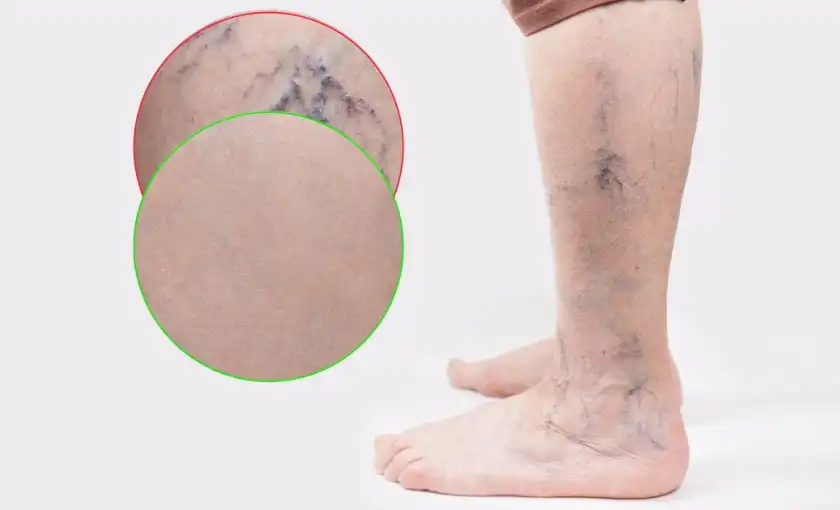
What Are the Long-Term Side Effects of Vein Ablation?
Vein ablation is a minimally invasive treatment used to close diseased superficial veins that are allowing blood to flow backward and pool in the legs. Radiofrequency ablation (RFA) and endovenous laser ablation (EVLA) are commonly used to treat venous reflux involving veins such as the great saphenous vein.
Most side effects after vein ablation are temporary. Patients may experience soreness, bruising, tightness, swelling, numbness, or inflammation around the treated vein during recovery. Less commonly, longer-lasting problems can include persistent numbness, skin discoloration, recurrence of varicose veins, reopening of the treated vein, or ongoing discomfort. Blood clots and thermal injuries are possible but uncommon complications.
Understanding which symptoms are expected, which may last longer, and which require medical evaluation can make the recovery process less confusing.
What Are the Long-Term Side Effects of Vein Ablation?
Most people do not develop serious long-term complications after endovenous vein ablation. However, possible longer-lasting effects include:
- Persistent numbness or tingling: Irritation of nearby sensory nerves can occasionally cause altered sensation that lasts longer than the initial recovery period.
- Skin discoloration: Pigmentation may develop along or near the treated vein and can take time to fade.
- Persistent tenderness or discomfort: Some patients experience sensitivity or aching beyond the first few weeks.
- Recanalization: A vein that was successfully closed can sometimes partially or completely reopen.
- Recurrent varicose veins: New varicose veins can develop even when the originally treated vein remains closed.
- Thrombotic complications: Blood clots involving superficial or deep veins are possible but uncommon.
- Thermal injury: Because RFA and EVLA use heat, injury to surrounding tissue or skin is possible, although uncommon.
Long-term studies of endovenous treatment show that treated veins can remain closed for years, but recurrence and recanalization do occur in some patients.
What Side Effects Are Normal After Vein Ablation?
Not every symptom after vein ablation represents a complication.
Temporary effects can occur as the treated vein closes and the surrounding tissue heals.
Common short-term symptoms may include:
- Bruising
- Mild swelling
- Tenderness
- Aching or soreness
- A pulling or tight sensation along the treated vein
- Temporary numbness or tingling
- Localized redness or inflammation
- Sensitivity around the catheter access site
These symptoms should generally improve rather than become progressively worse.
The exact recovery experience varies based on the vein treated, procedure used, extent of venous disease, and individual patient factors.
How Long Do Vein Ablation Side Effects Last?
There is no single recovery timeline that applies to every patient.
Bruising, soreness, tightness, and tenderness often improve as the treated area heals. Numbness or pigmentation changes may take longer to resolve.
A symptom becomes more important to evaluate when it is:
- Getting worse instead of better
- Severe
- Persisting longer than expected for your individual procedure
- Associated with significant swelling
- Accompanied by increasing redness or warmth
- Affecting your ability to walk or perform normal activities
Your treating physician can tell you what is expected based on the specific vein and type of ablation performed.
Can Vein Ablation Cause Long-Term Numbness or Nerve Damage?
Temporary numbness or tingling can occur after vein ablation because superficial veins and sensory nerves may run close together.
Heat used during radiofrequency or laser ablation can irritate nearby nerves. This is sometimes called paresthesia, which may feel like numbness, tingling, burning, or altered sensation.
Most sensory symptoms are temporary, but persistent nerve-related symptoms are possible.
A 2024 meta-analysis comparing radiofrequency and laser ablation found similar overall effectiveness, although RFA was associated with fewer reported cases of paresthesia, burns, and bruising in the studies analyzed.
Persistent or worsening numbness should be discussed with your vein specialist.
Can Varicose Veins Come Back After Vein Ablation?
Yes. Varicose veins can recur after vein ablation.
This does not necessarily mean the procedure failed.
There are two different ways recurrence may occur.
The Treated Vein Can Reopen
A vein that was previously closed can sometimes reopen. This is known as recanalization.
Long-term studies of both radiofrequency and laser ablation monitor recanalization because it can contribute to recurrent venous reflux and symptoms.
New Varicose Veins Can Develop
Venous disease can progress in other veins over time.
This means a successfully treated vein may remain closed while another vein later becomes incompetent and develops reflux.
Long-term research has found that recurrent varicose veins can occur following both traditional surgery and endovenous ablation.
If varicose veins or symptoms return, ultrasound may be used to determine whether the previously treated vein has reopened or another vein has developed reflux.
What Does It Mean if Vein Ablation Goes Wrong?
People searching for “vein ablation gone wrong” are often experiencing an unexpected symptom after treatment and wondering whether it is part of normal recovery or a complication.
Some soreness, bruising, tightness, or tenderness can occur after ablation.
Symptoms that deserve medical evaluation include:
- Severe or rapidly worsening pain
- Significant new leg swelling
- Increasing redness or warmth
- Persistent numbness or weakness
- New or worsening discoloration
- A painful, firm area along a vein
- Fever or signs of infection
- Symptoms that improve and then suddenly become worse
Rare complications can include deep vein thrombosis, thrombus extension near the treated vein, nerve irritation, infection, or thermal injury.
If something feels significantly different from the recovery instructions provided by your physician, contact the treating office rather than assuming it is normal.
Why Do I Have Worse Pain After Radiofrequency Ablation?
Some tenderness or discomfort can occur after radiofrequency vein ablation, particularly along the path of the treated vein.
The vein undergoes a controlled injury during treatment so that it closes and is gradually absorbed by the body. Local inflammation can therefore cause soreness, tenderness, or a pulling sensation during healing.
However, pain that becomes significantly worse rather than gradually improving should be evaluated.
Possible explanations can range from inflammation around the treated vein to less common complications. The cause cannot be determined from pain alone.
Contact your treating physician if pain is severe, rapidly worsening, associated with significant swelling or redness, or otherwise different from the recovery symptoms you were told to expect.
What Are the Side Effects of Great Saphenous Vein Ablation?
The great saphenous vein (GSV) is one of the major superficial veins in the leg and is commonly treated when ultrasound shows significant venous reflux.
Radiofrequency ablation and endovenous laser ablation are established treatments for symptomatic axial reflux involving the great saphenous vein. Current vascular guidelines recommend endovenous treatment for many appropriate patients with symptomatic saphenous reflux.
Possible side effects of great saphenous vein ablation include:
- Bruising
- Tenderness
- Tightness along the treated vein
- Temporary numbness or tingling
- Local inflammation
- Skin pigmentation changes
- Recanalization of the vein
- Recurrent venous reflux
- Thrombotic complications
- Rare thermal injury
The great saphenous vein is part of the superficial venous system. Closing a diseased superficial vein allows blood to continue returning through healthier superficial and deep veins.
What Are the Side Effects of Radiofrequency Vein Ablation?
Radiofrequency ablation, or RFA, uses controlled radiofrequency energy to heat and close a diseased superficial vein.
Possible RFA side effects include:
- Bruising
- Tenderness
- Tightness
- Temporary numbness or tingling
- Local inflammation
- Skin discoloration
- Rare burns
- Blood clot complications
- Recanalization or recurrent varicose veins
A large 2024 analysis comparing RFA and endovenous laser treatment found that the two procedures had similar early and long-term great saphenous vein closure rates and similar rates of thrombotic and phlebitis complications. RFA was associated with fewer cases of paresthesia, burns, bruising, and recurrent varicose veins in the studies analyzed.
Learn more about radiofrequency ablation therapy.
What Are the Side Effects of Endovenous Laser Ablation (EVLA)?
Endovenous laser ablation, or EVLA, uses laser energy delivered through a catheter to close an incompetent superficial vein.
Possible EVLA side effects include:
- Soreness
- Bruising
- Tightness
- Temporary numbness or tingling
- Inflammation
- Skin pigmentation changes
- Rare thermal burns
- Blood clot complications
- Recanalization
- Recurrent varicose veins
Like radiofrequency ablation, EVLA has been shown to provide effective long-term closure of treated veins, although reopening and recurrence can occur.
Does Endovenous Laser Ablation Hurt?
Endovenous laser ablation is typically performed using local or tumescent anesthesia around the treated vein.
Patients may experience pressure or other sensations during treatment, followed by tenderness, tightness, bruising, or soreness during recovery.
Pain experiences vary from person to person.
Severe or progressively worsening pain is different from expected post-procedure soreness and should be discussed with the treating physician.
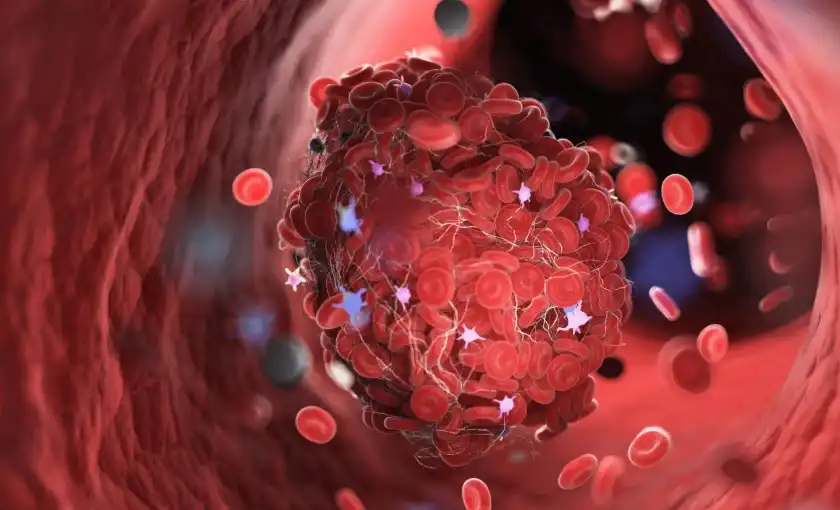
Can Vein Ablation Cause a Blood Clot?
Yes, but serious blood clot complications after endovenous vein ablation are uncommon.
One potential complication is deep vein thrombosis, or DVT, in which a clot forms in a deep vein.
Another complication associated with ablation occurs when thrombus extends from the treated superficial vein toward the deep venous system. Current vascular guidelines discuss this as ablation-related thrombus extension (ARTE), a broader term that includes what has historically been called endothermal heat-induced thrombosis or EHIT.
Overall thrombotic complication rates after endovenous ablation are low, but individual risk varies.
Follow-up recommendations may depend on symptoms, medical history, clotting risk, and the type of procedure performed.
What Is the Difference Between Superficial Vein Ablation and Deep Vein Treatment?
Most ablation performed for common varicose veins and superficial venous reflux targets superficial veins, such as the great saphenous or small saphenous vein.
These veins are different from the deep veins responsible for carrying a large proportion of blood back toward the heart.
The term “deep vein ablation” can therefore be confusing when discussing routine varicose vein treatment.
Standard RFA and EVLA for varicose veins generally involve closing an incompetent superficial vein rather than ablating the major deep veins.
Ultrasound evaluation helps identify which veins are affected before treatment is recommended.
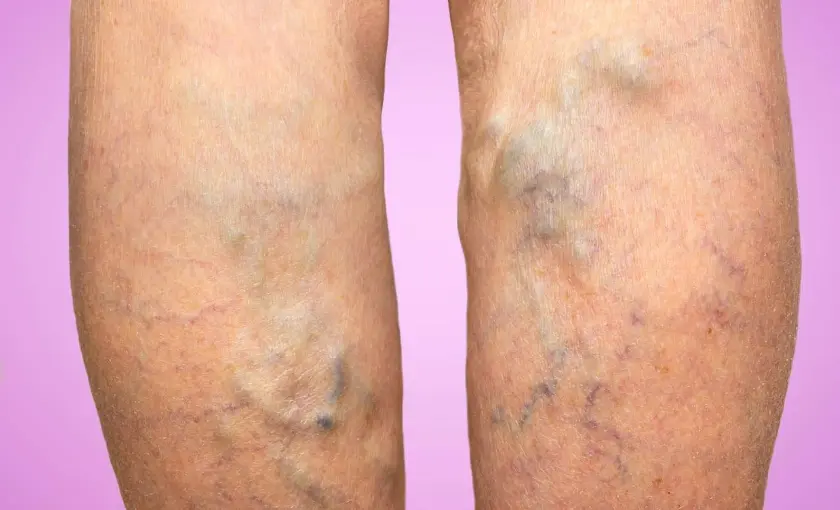
Can Vein Ablation Make Varicose Veins Worse?
Vein ablation is intended to treat abnormal venous reflux rather than worsen it.
However, patients may notice temporary bruising, inflammation, firmness, or discoloration after treatment that can make the leg look or feel different during recovery.
Over the longer term, new varicose veins can also develop because chronic venous disease can progress in veins that were not originally treated.
If veins appear worse months or years after treatment, an ultrasound evaluation can help determine whether:
- The treated vein has reopened
- Another superficial vein has developed reflux
- New tributary varicose veins have formed
- Another vascular condition is contributing to symptoms
Can a Treated Vein Reopen Years After Ablation?
Yes.
Reopening of a treated vein is called recanalization.
Long-term studies have documented both partial and complete recanalization following endovenous ablation. One study following EVLA patients for an average of more than five years identified recanalization and recurrent reflux in some treated veins.
Radiofrequency ablation also has high long-term closure rates, but recurrence is still possible. A multicenter study of great saphenous vein RFA reported high vein closure during follow-up while still identifying recurrent varicose veins in a minority of patients.
A reopened vein does not automatically mean another procedure is necessary. Treatment depends on whether reflux has returned, whether symptoms are present, and what ultrasound shows.
Can Vein Ablation Cause Skin Discoloration?
Skin discoloration can occur after vein treatment.
Pigmentation may develop along the path of a treated vein or near areas where superficial veins were treated.
In many cases, discoloration gradually fades. Some pigmentation can persist longer.
Patients who notice new, worsening, painful, or otherwise concerning skin changes should have the area evaluated.
Is Phlebitis Normal After Vein Ablation?
Inflammation of a superficial vein, commonly described as phlebitis or thrombophlebitis, can occur following vein treatment.
Symptoms may include:
- Tenderness
- Redness
- Warmth
- Firmness along the vein
Studies comparing RFA and EVLA have reported phlebitis following both approaches.
Because redness, warmth, pain, and swelling can also occur with other conditions, patients should contact their treating physician when symptoms are significant or worsening.
What Symptoms After Vein Ablation Should I Be Concerned About?
Contact your healthcare provider if you experience symptoms that are severe, rapidly worsening, or substantially different from your expected recovery.
These may include:
- Severe or worsening leg pain
- Significant new swelling
- Increasing redness or warmth
- Fever
- Drainage from an access site
- Persistent or worsening numbness
- New weakness
- Significant changes in skin color
Seek urgent medical attention for symptoms such as new shortness of breath, chest pain, fainting, or other symptoms that could indicate a serious clot-related complication.
Is Vein Ablation Safe Long Term?
For appropriately selected patients, radiofrequency and endovenous laser ablation are established treatments for superficial venous reflux.
Long-term research supports durable vein closure for many patients, while also demonstrating that recurrence and recanalization are possible.
A 2024 meta-analysis found similar early and long-term effectiveness between RFA and laser ablation for great saphenous vein treatment.
Current Society for Vascular Surgery, American Venous Forum, and American Vein and Lymphatic Society guidelines support endovenous ablation as an established treatment for appropriate patients with symptomatic saphenous reflux.
Safety and long-term results depend on factors including:
- The vein being treated
- The severity and pattern of venous reflux
- Individual anatomy
- Medical history
- Thrombotic risk
- Treatment technique
- Development of venous disease in other veins
How Are Vein Ablation Complications Evaluated?
If symptoms persist or return after treatment, a vascular specialist may recommend an examination and duplex ultrasound.
Ultrasound can help determine:
- Whether the treated vein remains closed
- Whether blood flow has returned through the vein
- Whether another vein has developed reflux
- Whether a superficial clot is present
- Whether there is concern for deep vein thrombosis
This is why the same symptom can have different explanations in different patients.
Persistent leg pain after ablation, for example, does not automatically mean the procedure failed.
How Can Vein Ablation Risks Be Reduced and Monitored?
Treatment begins with determining whether ablation is appropriate in the first place.
Before recommending a procedure, a vascular specialist may evaluate:
- Symptoms
- Medical history
- Previous vein treatments
- Duplex ultrasound findings
- Vein anatomy
- Pattern of venous reflux
- Risk factors for blood clots
The appropriate treatment may be RFA, EVLA, another minimally invasive procedure, conservative management, or a combination of approaches.
Patients should also follow the post-treatment instructions provided by their physician and report symptoms that are severe, worsening, or unexpected.
Should I Have Vein Ablation?
Whether vein ablation is appropriate depends on why your veins are causing problems and what an ultrasound evaluation shows.
A patient with symptomatic venous reflux may be treated very differently from someone whose primary concern is a small cosmetic spider vein.
At BASS Vein Center, our vascular specialists evaluate vein symptoms and circulation before recommending treatment. Depending on the condition, available options may include conservative management, radiofrequency ablation, VenaSeal™, sclerotherapy, ambulatory phlebectomy, or other vascular care.
Schedule a vein evaluation to discuss persistent leg symptoms, varicose veins, or concerns following previous vein treatment.
Frequently Asked Questions About Vein Ablation Side Effects
What is the most common side effect of vein ablation?
Temporary soreness, bruising, tenderness, tightness, and mild inflammation are among the symptoms patients may experience following endovenous ablation. The exact experience varies by procedure and patient.
Can vein ablation cause permanent nerve damage?
Nerve irritation can cause numbness, tingling, or altered sensation after thermal vein ablation. Most sensory symptoms are temporary, but persistent symptoms are possible. Patients with ongoing numbness should discuss it with their physician.
Why does my leg still hurt after vein ablation?
The treated vein and surrounding tissues can remain tender while healing. Persistent pain can also have other causes, so pain that is worsening, severe, or lasting longer than expected should be evaluated rather than assumed to be part of normal recovery.
Can radiofrequency vein ablation cause worse pain?
Some soreness and tenderness can occur following RFA. Significant worsening pain is not something to ignore and should be discussed with your treating physician, especially when accompanied by swelling, redness, warmth, or other new symptoms.
What are the long-term side effects of great saphenous vein ablation?
Possible longer-term issues include persistent sensory changes, pigmentation, recanalization of the treated vein, and recurrent varicose veins. Serious thrombotic complications are possible but uncommon.
Can the great saphenous vein reopen after ablation?
Yes. A previously closed vein can sometimes partially or completely reopen, which is called recanalization. Reopening does not occur in most treated veins, but it is a recognized long-term outcome following both RFA and EVLA.
Can varicose veins come back after vein ablation?
Yes. Varicose veins can recur because a treated vein reopens or because reflux develops in other veins over time. Recurrence does not necessarily mean the original treatment was unsuccessful.
What are EVLA side effects?
Possible EVLA side effects include bruising, soreness, tightness, inflammation, numbness or tingling, pigmentation changes, and rare thermal or thrombotic complications. Recanalization and recurrent varicose veins are possible long-term outcomes.
Does endovenous laser ablation hurt?
Local or tumescent anesthesia is generally used during EVLA. Patients can experience pressure or discomfort during treatment and tenderness or soreness afterward. Severe or worsening pain should be discussed with the treating physician.
Can vein ablation cause DVT?
Deep vein thrombosis is a possible but uncommon complication of endovenous ablation. Ablation-related thrombus extension can also occur when thrombus extends from the treated superficial vein toward the deep venous system.
Can vein ablation cause skin discoloration?
Yes. Pigmentation changes can occur around a treated vein. These may gradually fade but can sometimes persist for a longer period.
When should I be concerned after vein ablation?
Contact your physician for severe or worsening pain, significant swelling, increasing redness or warmth, fever, drainage, worsening numbness, or other unexpected symptoms. New chest pain or shortness of breath requires urgent medical evaluation.
Note: Coverage varies between insurance plans. Please check with your insurance provider before scheduling. BASS Vein Center will verify your benefits so you understand any out-of-pocket costs ahead of treatment.
Medical Disclaimer: The information provided in this blog is for educational and informational purposes only and is not intended as medical advice, diagnosis, or treatment. BASS Medical Group does not endorse any specific tests, treatments, procedures, or opinions referenced in this content. Individual results may vary. Always consult with your physician or a qualified healthcare provider regarding any medical concerns or before making changes to your health regimen.