VenaSeal and Nerve Damage: Is VenaSeal a Safe Vein Treatment?
VenaSeal™ is a minimally invasive treatment for certain varicose veins and chronic venous insufficiency that closes an abnormal vein using a medical adhesive rather than heat.
Because VenaSeal is a nonthermal treatment, it avoids the heat-related tissue and nerve injury that can occur with thermal procedures such as radiofrequency ablation or endovenous laser treatment. However, like every medical procedure, VenaSeal has its own potential risks and is not necessarily the best or safest treatment for every patient.
If you are comparing varicose vein treatment options, understanding how VenaSeal works, its safety profile, possible complications, and how it differs from other vein treatments can help you have a more informed discussion with your vein specialist.
What Is VenaSeal?
VenaSeal™ is a catheter-based treatment used to close certain abnormal superficial veins affected by venous reflux.
A physician guides a small catheter into the vein and delivers small amounts of specially formulated cyanoacrylate medical adhesive. The adhesive polymerizes after contact with blood and closes the diseased vein.
Blood is then redirected through other functioning veins.
VenaSeal differs from thermal vein treatments because it does not use laser or radiofrequency heat and generally does not require tumescent anesthesia along the entire treatment area. Medtronic classifies the system as a nonthermal, non-tumescent treatment for superficial venous disease.
Is VenaSeal Safe?
VenaSeal has been studied as a treatment for superficial venous reflux and is considered an established option for appropriately selected patients.
Clinical studies have demonstrated high vein-closure rates and improvements in symptoms and quality of life following cyanoacrylate closure.
However, “safe” does not mean risk-free.
Potential complications associated with cyanoacrylate vein closure can include:
- Local inflammation or phlebitis
- Tenderness or redness
- Hypersensitivity reactions to the adhesive
- Infection
- Thrombus or adhesive extension toward deeper veins
- Deep vein thrombosis, although uncommon
Post-market and clinical research has specifically documented inflammatory and hypersensitivity reactions following cyanoacrylate closure.
Your individual risks depend on your health, vein anatomy, allergies, and other clinical factors.
Does VenaSeal Cause Nerve Damage?
One advantage of VenaSeal is that it does not use thermal energy.
Thermal treatments such as radiofrequency ablation and endovenous laser therapy close veins by heating the vein wall. When a vein lies close to a sensory nerve, thermal energy can potentially irritate or injure nearby nerves.
Because VenaSeal closes the vein with adhesive instead of heat, it avoids heat-induced nerve injury.
For example, a study examining cyanoacrylate closure of the small saphenous vein reported no major complications such as sural nerve injury during follow-up.
That does not mean there is absolutely no possibility of nerve-related symptoms from any catheter procedure. Rather, VenaSeal removes thermal energy as a source of nerve injury, which can be useful when treating veins near sensitive nerve pathways.
Why Can Thermal Vein Treatments Affect Nearby Nerves?
Some superficial veins travel near sensory nerves.
This is particularly relevant in parts of the lower leg, where a nerve and vein may run relatively close together.
Thermal procedures use controlled heat to damage and close the abnormal vein. Physicians use ultrasound guidance and techniques such as tumescent anesthesia to help protect surrounding tissue.
These treatments are widely used and effective, but avoiding thermal energy entirely can be advantageous for certain vein locations or patients.
Is VenaSeal the Safest Treatment for Varicose Veins?
There is no single safest varicose vein treatment for every patient.
The safest and most appropriate treatment depends on:
- Which veins are abnormal
- Vein anatomy
- Location of the refluxing vein
- Symptoms
- Previous vein treatments
- Allergies or sensitivities
- Medical history
- Ultrasound findings
VenaSeal may have advantages for certain patients because it avoids thermal energy and extensive tumescent anesthesia.
However, patients also need to consider VenaSeal-specific risks such as reactions to cyanoacrylate adhesive.
The best approach is to compare the risks and benefits of each option based on your own vascular evaluation.
How Does VenaSeal Treat Varicose Veins?
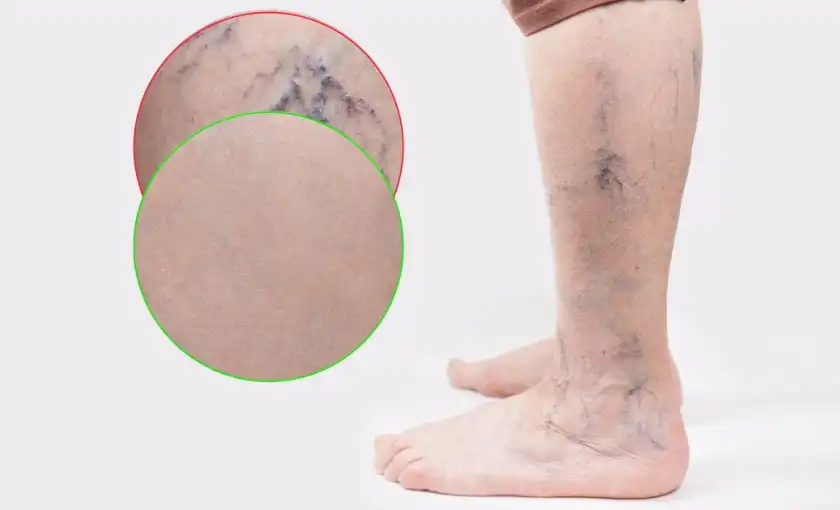
Varicose veins often develop because valves inside superficial veins no longer prevent backward blood flow.
This abnormal backward flow is called venous reflux.
During VenaSeal treatment:
- The treatment area is examined using ultrasound.
- A small amount of local anesthetic is used around the catheter entry site.
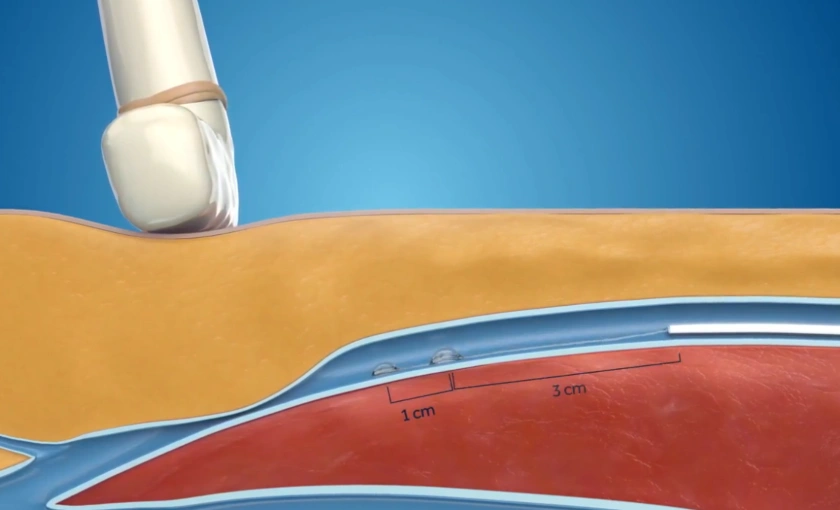
- A catheter is guided into the refluxing vein.
- Small amounts of medical adhesive are delivered at specific points.
- External pressure is briefly applied as the adhesive closes the vein.
- Blood is redirected through other functioning veins.
The adhesive remains within the closed vein and becomes incorporated into fibrotic tissue over time.
What Are Cyanoacrylates?
Cyanoacrylates are a family of fast-acting adhesives.
Medical formulations of cyanoacrylate have been used for applications such as skin closure and other surgical procedures. The adhesive used in VenaSeal is specifically formulated for intravascular use.
When VenaSeal adhesive contacts blood, it polymerizes and bonds to the inner surface of the vein, causing the vessel to close.
Medical cyanoacrylate should not be confused with household adhesives, even though they belong to the same general chemical family.
What Are the Side Effects of VenaSeal?
Possible temporary symptoms after VenaSeal can include:
- Mild tenderness
- Localized soreness
- Bruising around the catheter entry site
- Redness
- Inflammation along the treated vein
One potential complication that deserves particular attention is a hypersensitivity reaction to cyanoacrylate.
Published research has documented delayed skin reactions after VenaSeal that can include redness and itching. Most are manageable, although more significant reactions have also been reported.
Can VenaSeal Cause Blood Clots?
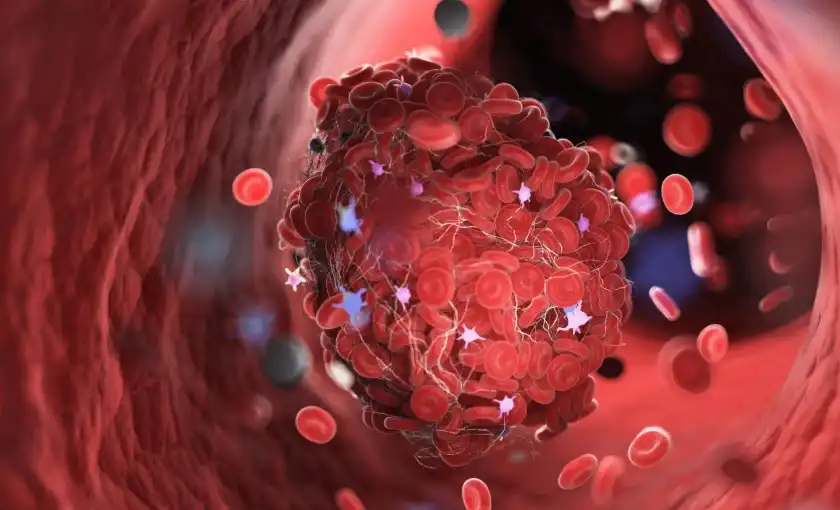
Thrombotic complications are possible following cyanoacrylate closure.
One complication described in the literature is endovenous glue-induced thrombosis, in which thrombus extends from the treated vein toward or into the deep venous system.
Serious complications appear uncommon, but the possibility is one reason appropriate patient selection and follow-up are important.
Does VenaSeal Require Compression Stockings?
One potential advantage of nonthermal vein closure is that compression may not always be required afterward.
The Society for Vascular Surgery notes that nonthermal vein ablation may not require post-procedure compression, while compression is commonly used after thermal ablation.
However, your physician may still recommend compression based on:
- Other veins being treated
- Additional procedures performed
- Swelling
- Your medical history
- Individual recovery needs
Follow your treating physician's instructions rather than assuming compression will never be necessary.
What Is Recovery Like After VenaSeal?
VenaSeal is generally performed as an outpatient procedure.
Walking is typically encouraged soon after treatment, and many patients can return to routine activities quickly.
Recovery recommendations may vary depending on whether VenaSeal is performed alone or combined with treatment of additional veins.
Your physician will provide individualized guidance about:
- Walking
- Exercise
- Compression
- Bathing
- Travel
- Follow-up appointments
VenaSeal vs. Radiofrequency Ablation
Radiofrequency ablation (RFA) uses controlled heat to close a refluxing vein.
VenaSeal uses medical adhesive instead.
Both can effectively close appropriate superficial veins, but there are practical differences.
The best treatment depends on your anatomy and clinical circumstances rather than one procedure being universally better.
VenaSeal vs. Endovenous Laser Treatment
Endovenous laser treatment (EVLT) also uses thermal energy to close abnormal veins.
Like RFA, it has an established role in treating venous reflux.
VenaSeal avoids both thermal energy and extensive tumescent anesthesia, while EVLT avoids implantation of cyanoacrylate adhesive.
Your physician can explain which difference matters most for your situation.
VenaSeal vs. Sclerotherapy
Sclerotherapy involves injecting a sclerosant into a vein to cause it to close.
It is commonly used for spider veins and smaller varicose veins, although foam sclerotherapy can also be used for certain larger veins.
VenaSeal is generally used for specific refluxing truncal superficial veins.
Because the treatments are used differently, asking whether VenaSeal or sclerotherapy is safer without considering the vein being treated does not provide a complete comparison.
The appropriate treatment depends on the vessel's size, location, anatomy, and underlying reflux.
Is Sclerotherapy Safe?
Sclerotherapy is an established treatment for appropriate veins, but it also has potential risks.
Possible complications can include localized inflammation, pigmentation changes, small blood clots, ulceration, and other less common complications.
A vein specialist can determine whether sclerotherapy, VenaSeal, thermal ablation, or another procedure is the better match for the vein being treated.
What Is the Best Treatment for Varicose Veins?
There is no single best treatment for varicose veins.
Modern varicose vein treatment options can include:
- Compression therapy
- Sclerotherapy
- Radiofrequency ablation
- Endovenous laser treatment
- VenaSeal
- Ambulatory phlebectomy
A duplex ultrasound can identify which veins are allowing abnormal backward flow and help determine which treatment is appropriate.
How Are Varicose Veins Treated?
Treatment depends on whether the concern is primarily cosmetic or related to symptoms and underlying venous reflux.
For symptomatic venous disease, the goal may be to close or remove abnormal veins while allowing blood to return through functioning veins.
Depending on your findings, a treatment plan may include one procedure or a combination of treatments.
Who Is a Good Candidate for VenaSeal?
VenaSeal may be an option for patients with certain patterns of superficial venous reflux identified on duplex ultrasound.
Factors physicians may consider include:
- Vein anatomy
- Size and location of the refluxing vein
- Symptoms
- Previous vein procedures
- Ability to tolerate other treatment methods
- History of reactions to adhesives or cyanoacrylates
Patients with known hypersensitivity to cyanoacrylate adhesive may not be appropriate candidates.
When Might Another Varicose Vein Treatment Be Better?
VenaSeal is not appropriate for every abnormal vein.
Another treatment may be preferable when:
- The vein is better suited to sclerotherapy
- A visible surface vein is better treated with phlebectomy
- Anatomy favors thermal ablation
- There is a concern about adhesive hypersensitivity
- Multiple types of abnormal veins require different approaches
This is why a vascular evaluation and ultrasound are important before choosing a treatment based solely on its advertised advantages.
VenaSeal Treatment at BASS Vein Center
BASS Vein Center offers VenaSeal and other minimally invasive treatments for varicose veins and chronic venous insufficiency.
A vein specialist can perform an ultrasound evaluation, identify the source of venous reflux, and compare appropriate treatment options based on your anatomy and symptoms.
Schedule a vein evaluation or call 925-477-3030 to learn whether VenaSeal is appropriate for you.
Frequently Asked Questions
Is VenaSeal safe?
VenaSeal is an established minimally invasive treatment for superficial venous reflux. Clinical evidence supports its safety and effectiveness, although complications such as inflammation, adhesive hypersensitivity, and thrombotic events can occur.
Can VenaSeal cause nerve damage?
Because VenaSeal does not use heat, it avoids heat-induced nerve injury associated with thermal ablation. Significant nerve injury has not been a prominent complication in published studies of cyanoacrylate closure, although no invasive procedure should be described as having zero risk.
What is the safest treatment for varicose veins?
There is no single safest treatment for everyone. The safest option depends on vein anatomy, symptoms, ultrasound findings, medical history, and procedure-specific risks.
Is VenaSeal better than radiofrequency ablation?
Both VenaSeal and RFA are established treatments for superficial venous reflux. VenaSeal avoids thermal energy and extensive tumescent anesthesia, while RFA avoids the use of cyanoacrylate adhesive. The appropriate choice depends on the patient and vein being treated.
Is sclerotherapy safe?
Sclerotherapy is widely used for appropriate veins and is generally well tolerated, but it also has potential side effects and complications. A vein specialist can determine whether it is appropriate for the vessel being treated.
What is the best treatment for varicose veins?
The best treatment depends on the source of venous reflux, vein anatomy, symptoms, and treatment goals. Options may include RFA, EVLT, VenaSeal, sclerotherapy, ambulatory phlebectomy, or conservative care.
Can VenaSeal treat all varicose veins?
No. VenaSeal is designed to close certain incompetent superficial truncal veins. Visible branch varicose veins or spider veins may require another treatment such as phlebectomy or sclerotherapy.
Note: Coverage varies between insurance plans. Please check with your insurance provider before scheduling. BASS Vein Center will verify your benefits so you understand any out-of-pocket costs ahead of treatment.
Medical Disclaimer: The information provided in this blog is for educational and informational purposes only and is not intended as medical advice, diagnosis, or treatment. BASS Medical Group does not endorse any specific tests, treatments, procedures, or opinions referenced in this content. Individual results may vary. Always consult with your physician or a qualified healthcare provider regarding any medical concerns or before making changes to your health regimen.