
VenaSeal Treatment: What Happens After a Vein Is Sealed?
What Is VenaSeal Treatment?
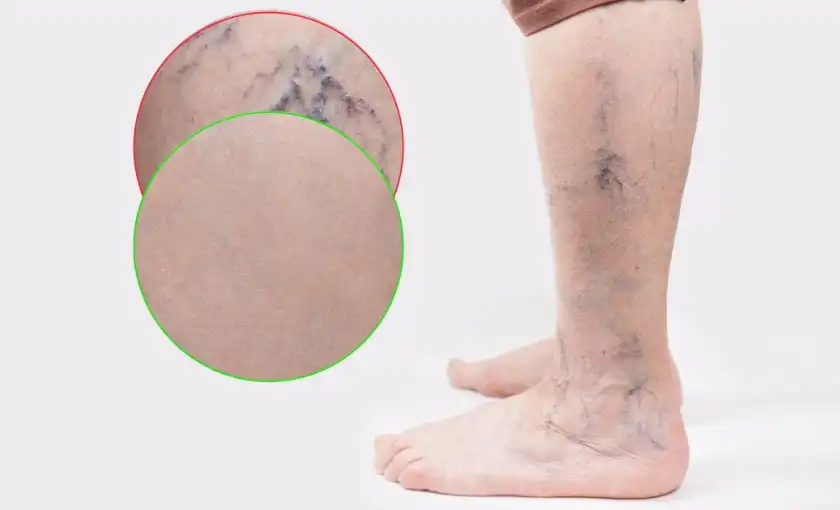
VenaSeal is a minimally invasive treatment used to close diseased veins that cause varicose veins and symptoms of chronic venous insufficiency. Unlike thermal treatments that rely on heat, VenaSeal uses a medical adhesive to seal the affected vein, allowing blood to reroute naturally to healthier veins.
Because the procedure does not require heat or multiple injections, many patients choose VenaSeal for its convenience and quick recovery.
How Does VenaSeal Work?
During VenaSeal treatment, a vein specialist inserts a small catheter into the affected vein, most commonly the saphenous vein in the thigh. A medical adhesive called cyanoacrylate is then delivered through the catheter while gentle pressure is applied.
Once sealed, the vein closes permanently. Over time, the treated vein becomes scar tissue and is gradually absorbed by the body. Blood that once flowed through the unhealthy vein is redirected to surrounding healthy veins, improving circulation and reducing symptoms.
Patients do not feel the adhesive after the procedure, and the material has no known long-term adverse effects.
What Happens Immediately After a Vein Is Sealed?
After VenaSeal treatment, most patients can stand up and walk immediately. There is no need for general anesthesia, and the procedure is typically completed in under an hour.
Because the vein is sealed rather than heated or removed, discomfort is usually minimal. Many patients return to normal daily activities the same day or within 24 hours.
VenaSeal Recovery: What to Expect
Recovery after VenaSeal is typically easier compared to other vein treatments.
- Daily activities: Most patients resume normal routines immediately.
- Exercise: Light activity and walking are encouraged. Many patients can return to regular exercise within a few days.
- Compression stockings: In most cases, compression stockings are not required.
- Medications: Patients usually do not need to stop routine medications unless advised by their provider.
- Discomfort: Mild tenderness or inflammation may occur and can often be managed with ice or over-the-counter pain relief.
Your provider will give you specific post-procedure instructions based on your individual treatment plan.
Are There Risks After VenaSeal Treatment?
As with any medical procedure, there are some risks, but complications from VenaSeal are uncommon. Some patients may experience temporary inflammation, tenderness, or a mild reaction near the treated vein. Serious complications are rare.
If you experience unusual pain, swelling, or concerns after treatment, you should contact your vein specialist promptly.
When Will I See Results?
Many patients notice symptom improvement, such as reduced leg heaviness or swelling, within days of treatment. Visible varicose veins may gradually fade over several weeks as circulation improves. Follow-up visits may be scheduled to ensure the vein has fully sealed and blood flow is optimized.
Is VenaSeal Right for You?
VenaSeal is an effective option for many patients with varicose veins or chronic venous insufficiency, but it is not the right solution for everyone. A comprehensive vein evaluation, often including ultrasound imaging, is necessary to determine the most appropriate treatment.
At BASS Vein Center, our vein specialists offer VenaSeal along with a full range of vein treatments. We take the time to explain how each option works, what recovery looks like, and verify insurance benefits before treatment begins.
Note: Coverage varies between insurance plans. Please check with your insurance provider before scheduling. BASS Vein Center will verify your benefits so you understand any out-of-pocket costs ahead of treatment.
Medical Disclaimer: The information provided in this blog is for educational and informational purposes only and is not intended as medical advice, diagnosis, or treatment. BASS Medical Group does not endorse any specific tests, treatments, procedures, or opinions referenced in this content. Individual results may vary. Always consult with your physician or a qualified healthcare provider regarding any medical concerns or before making changes to your health regimen.