Can Varicose Veins Cause Leg Ulcers?
Yes. Untreated varicose veins can lead to venous leg ulcers over time.
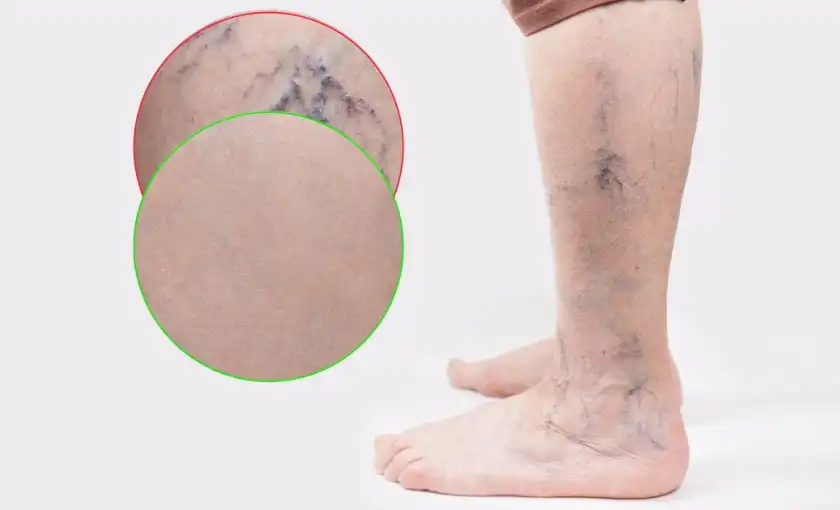
Varicose veins develop when the valves inside your leg veins stop working properly. This causes blood to pool in the lower legs, increasing pressure in the veins. Over time, that pressure can damage the skin and lead to open sores known as venous leg ulcers.
These ulcers are one of the most advanced stages of chronic venous insufficiency and often require medical treatment to heal.
What Is a Venous Leg Ulcer?
A venous leg ulcer is an open wound that typically forms on the lower leg or ankle due to poor circulation.
Unlike minor cuts or scrapes, these wounds:
- Heal slowly or not at all
- May last for weeks or months without treatment
- Can recur if the underlying vein issue is not addressed
They are commonly linked to long-standing varicose veins or chronic venous disease.
Signs Your Varicose Veins May Be Getting Worse
If you have varicose veins, watch for symptoms that may indicate progression toward ulcers:
- Swelling in the lower legs or ankles
- Skin discoloration (reddish, brown, or purple areas)
- Dry, itchy, or thickened skin
- Leg heaviness or aching, especially after standing
- Small wounds that do not heal
Early treatment of varicose veins can help prevent these complications.
What Causes Venous Leg Ulcers?
Venous leg ulcers develop when blood flow through the veins is impaired.
Key causes include:
- Faulty vein valves (common in varicose veins)
- Chronic venous insufficiency
- Prolonged standing or sitting
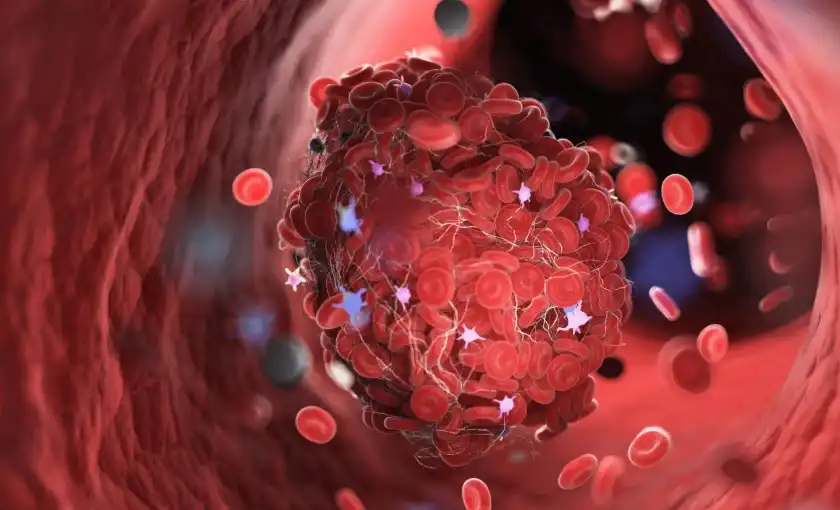
- Prior blood clots (deep vein thrombosis)
When blood pools in the legs, pressure builds and damages surrounding tissue, eventually leading to skin breakdown.
Treatment Options for Venous Leg Ulcers
Treatment focuses on both healing the wound and correcting the underlying vein problem.
Wound Care and Cleaning
Ulcers must be kept clean and protected to reduce infection risk. A provider may recommend:
- Regular cleaning
- Specialized dressings to maintain moisture balance
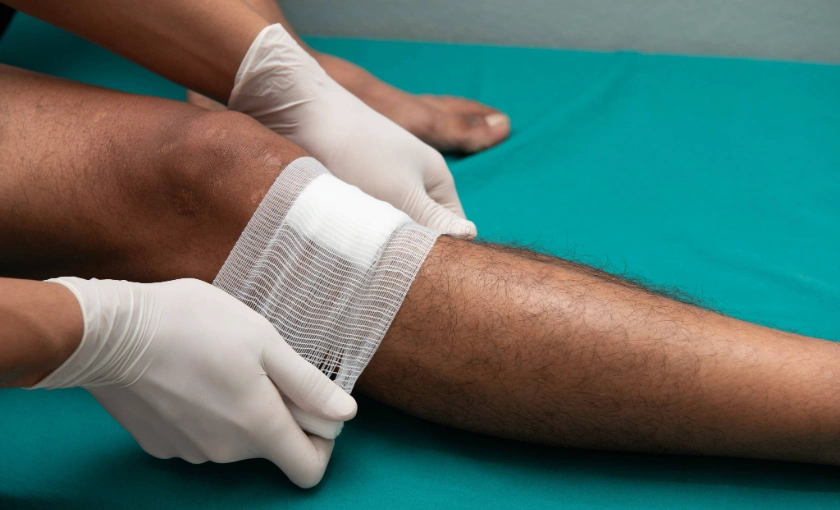
- Bandaging to protect the wound
Compression Therapy
Compression stockings or wraps improve blood flow by applying consistent pressure to the legs. This is a core part of treatment and helps:
- Reduce swelling
- Improve circulation
- Support healing
Medications
If infection is present, a physician may prescribe antibiotics. These should only be used under medical supervision.
Leg Elevation and Activity Changes
Elevating the legs above heart level can help reduce pressure in the veins. Providers may also recommend movement strategies to improve circulation.
Minimally Invasive Vein Treatments
To prevent recurrence, treating the underlying varicose veins is often necessary. Options may include:
- Endovenous Laser Therapy
- Radiofrequency Ablation
- VenaSeal™
- Other vein closure procedures
These treatments address the root cause rather than just the wound.
When Should You See a Vein Specialist?
You should seek medical care if you have:
- A wound on your leg that is not healing
- Signs of infection (redness, warmth, drainage)
- Pain or swelling that is worsening
- Long-standing varicose veins with skin changes
Early evaluation can prevent more serious complications and speed up recovery.
If you have varicose veins or a slow-healing wound on your leg, a vein evaluation can help identify the cause and guide treatment.
Schedule an appointment with BASS Vein Center to explore treatment options and protect your long-term vascular health. We offer advanced vein care across multiple locations in California.
FAQs
Can varicose veins turn into ulcers?
Yes. Over time, untreated varicose veins can lead to increased pressure in the legs, which may cause venous ulcers.
Do venous leg ulcers heal on their own?
Most do not heal without treatment. Medical care is usually needed to manage both the wound and the underlying vein problem.
Are compression stockings enough to treat ulcers?
They help, but many patients also need vein treatment to prevent recurrence.
Note: Coverage varies between insurance plans. Please check with your insurance provider before scheduling. BASS Vein Center will verify your benefits so you understand any out-of-pocket costs ahead of treatment.
Medical Disclaimer: The information provided in this blog is for educational and informational purposes only and is not intended as medical advice, diagnosis, or treatment. BASS Medical Group does not endorse any specific tests, treatments, procedures, or opinions referenced in this content. Individual results may vary. Always consult with your physician or a qualified healthcare provider regarding any medical concerns or before making changes to your health regimen.