
Can Varicose Veins Go Away on Their Own? Here’s What You Should Know
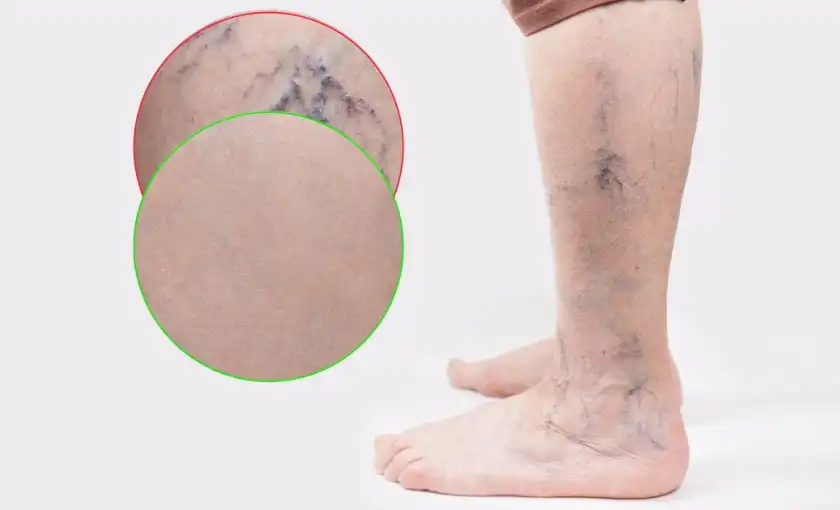
Each day, your body pumps over a thousand gallons of blood — and across a lifetime, that adds up to more than 40 million gallons. With this constant flow, it’s no surprise that the veins in your legs and feet sometimes become strained or weakened. When this happens, varicose veins can form: enlarged, twisted veins that appear beneath the surface of your skin.
Although they’re often considered cosmetic, varicose veins can sometimes cause aching, heaviness, or swelling — and for many patients, raise an important question: Can varicose veins go away on their own?
Let’s break down what’s really happening beneath the surface, when to seek treatment, and what options are available.
Can Varicose Veins Go Away Without Treatment?
Unfortunately, no — varicose veins will not go away on their own.
Once the tiny one-way valves inside your veins become weakened or damaged, blood begins to pool instead of flowing back toward the heart. This backward flow increases pressure inside the vein, causing it to bulge or twist over time.
While exercise, compression stockings, and lifestyle changes can reduce discomfort and improve circulation, they cannot reverse the underlying vein damage. In fact, untreated varicose veins may gradually worsen, leading to additional swelling, pain, or visible discoloration.
Common Risk Factors for Varicose Veins
Several factors can increase your risk of developing varicose veins, including:
- Genetics or family history of vein disease
- Prolonged standing or sitting at work
- Pregnancy or hormonal changes
- Obesity and excess body weight
- Aging, which weakens vein walls
- Previous blood clots or leg injuries
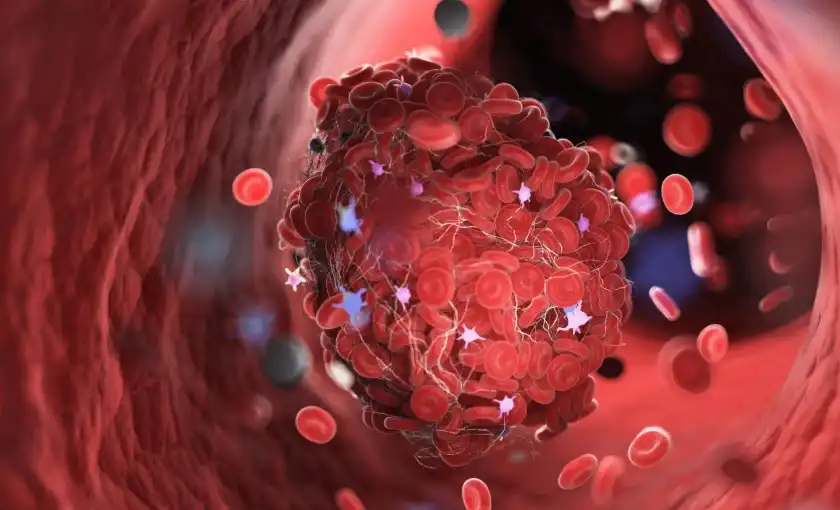
In rare cases, the sudden onset of varicose veins could indicate Deep Vein Thrombosis (DVT) or another circulatory condition.
Can You Prevent Varicose Veins?
While you can’t always prevent them, you can take steps to slow progression and ease symptoms:
- Exercise regularly to boost leg circulation
- Avoid sitting or standing for long periods
- Elevate your legs when resting
- Maintain a healthy weight
- Wear compression stockings as recommended
- Stay hydrated and stretch throughout the day
How Are Varicose Veins Treated?
The most effective way to eliminate varicose veins is through medical treatment. Modern techniques are minimally invasive, quick, and virtually painless.
Common treatment options include:
- Endovenous Laser Treatment (EVLT): Uses laser energy to seal damaged veins.
- Radiofrequency Ablation (RFA): Uses heat to close problem veins.
- Sclerotherapy: Involves injecting a solution that collapses the vein.
- VenaSeal™: A medical adhesive that seals diseased veins without heat or anesthesia.
These treatments help restore healthy blood flow, relieve discomfort, and improve the appearance of your legs — often with little to no downtime.
When to See a Doctor
If your varicose veins are accompanied by pain, swelling, skin discoloration, or ulcers, it’s important to see a vein specialist. These could indicate chronic venous insufficiency or other conditions that require medical attention.
At BASS Vein Center, our experienced vascular team provides expert diagnosis and personalized treatment plans. We’ve performed tens of thousands of successful vein procedures throughout the East Bay, helping patients achieve lasting relief and renewed confidence.
Get Professional Treatment at BASS Vein Center
While varicose veins won’t disappear on their own, you don’t have to live with them.
At BASS Vein Center, we specialize in safe, effective, and minimally invasive treatments to improve both your vein health and appearance.
Schedule a consultation today at our Walnut Creek or East Bay locations to learn which treatment is right for you.
Note: Coverage varies between insurance plans. Please check with your insurance provider before scheduling. BASS Vein Center will verify your benefits so you understand any out-of-pocket costs ahead of treatment.
Medical Disclaimer: The information provided in this blog is for educational and informational purposes only and is not intended as medical advice, diagnosis, or treatment. BASS Medical Group does not endorse any specific tests, treatments, procedures, or opinions referenced in this content. Individual results may vary. Always consult with your physician or a qualified healthcare provider regarding any medical concerns or before making changes to your health regimen.