
Chronic Venous Insufficiency: How to Treat Swollen Legs
What Is Chronic Venous Insufficiency?
Chronic venous insufficiency (CVI) is a common circulatory condition that occurs when the valves inside the leg veins become weakened or damaged. These valves are responsible for keeping blood flowing upward toward the heart. When they fail, blood can pool in the legs, leading to increased pressure in the veins and surrounding tissues.
CVI is a frequent cause of chronic leg swelling, discomfort, and skin changes, and it often worsens over time if left untreated.
Common Symptoms of Chronic Venous Insufficiency
Symptoms of chronic venous insufficiency can vary in severity and may include:
- Swelling in the legs or ankles
- Aching, heaviness, or fatigue in the legs
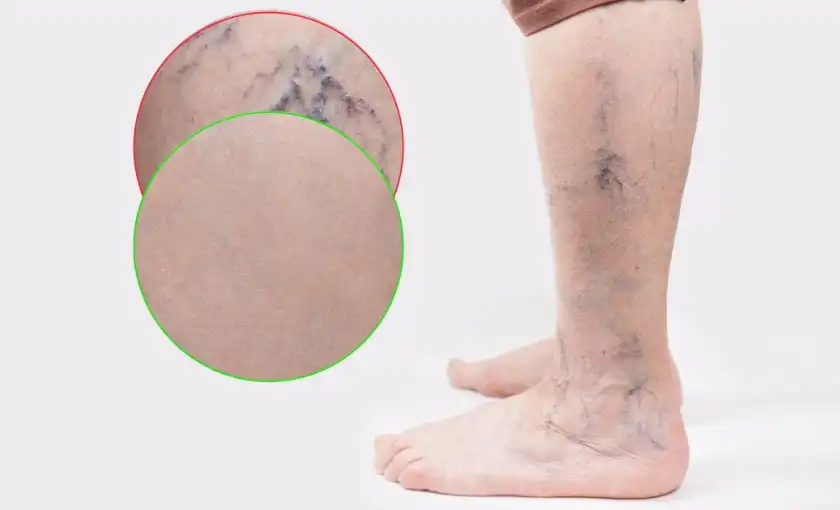
- Varicose veins or visibly enlarged veins
- Skin discoloration, often brown or reddish near the ankles
- Thickened or leathery skin
- Itching or irritation
- Slow-healing wounds or venous ulcers in advanced cases
Because these symptoms can overlap with other conditions, a professional evaluation is important for an accurate diagnosis.
Why Chronic Venous Insufficiency Causes Swollen Legs
When blood pools in the leg veins, pressure builds and fluid begins to leak into surrounding tissues. This fluid accumulation causes persistent swelling, particularly after long periods of standing or sitting. Over time, reduced oxygen delivery to the skin can lead to inflammation, skin breakdown, and ulcers if the condition is not treated.
How Chronic Venous Insufficiency Is Diagnosed
CVI is typically diagnosed through a comprehensive vein evaluation that includes a medical history, physical examination, and a duplex ultrasound. Ultrasound imaging allows a vein specialist to assess blood flow and valve function, helping determine the severity of venous insufficiency and the most appropriate treatment plan.
Treatment Options for Chronic Venous Insufficiency
Treatment depends on the severity of symptoms and the extent of vein damage.
Minimally Invasive Treatment Options
Most patients with CVI can be treated without surgery. Common minimally invasive treatments include:
Sclerotherapy
Sclerotherapy involves injecting a solution directly into the affected vein, causing it to collapse and gradually fade. It is often used to treat smaller varicose veins and relieve symptoms such as swelling and discomfort. Multiple sessions may be needed depending on the number of veins involved.
Endovenous Thermal Ablation
Endovenous thermal ablation uses laser or radiofrequency energy delivered through a catheter to close faulty veins. Once closed, blood is rerouted to healthier veins, improving circulation and reducing swelling. This procedure is performed under local anesthesia and typically allows for a quick return to daily activities.
Surgical Treatment Options
In more advanced or complex cases, surgical procedures such as vein ligation and stripping may be recommended. These procedures involve tying off or removing damaged veins and are usually reserved for patients who are not candidates for minimally invasive treatments. Recovery times are longer compared to non-surgical options.
Recovery and Post-Treatment Care
After treatment for chronic venous insufficiency, your provider will outline a recovery plan tailored to your procedure. Compression stockings are often recommended to improve circulation and reduce swelling during healing. Lifestyle adjustments such as regular walking, leg elevation, maintaining a healthy weight, and following a low-sodium diet can further support recovery and long-term vein health.
When to See a Vein Specialist
If you have persistent leg swelling, pain, skin changes, or visible varicose veins, it is important to seek evaluation. Early treatment of chronic venous insufficiency can relieve symptoms and help prevent complications such as skin breakdown or ulcers.
At BASS Vein Center, our vein specialists provide comprehensive evaluations and personalized treatment plans for chronic venous insufficiency. We will review your symptoms, discuss treatment options, and verify insurance benefits before care begins.
Note: Coverage varies between insurance plans. Please check with your insurance provider before scheduling. BASS Vein Center will verify your benefits so you understand any out-of-pocket costs ahead of treatment.
Medical Disclaimer: The information provided in this blog is for educational and informational purposes only and is not intended as medical advice, diagnosis, or treatment. BASS Medical Group does not endorse any specific tests, treatments, procedures, or opinions referenced in this content. Individual results may vary. Always consult with your physician or a qualified healthcare provider regarding any medical concerns or before making changes to your health regimen.