
How Costly Is Varicose Vein Treatment, and Is It Worth It?
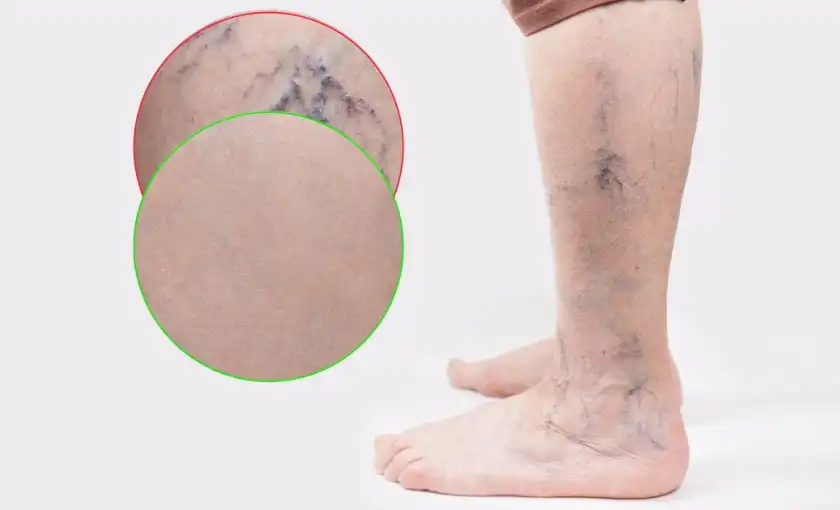
Varicose vein treatment has advanced significantly over the past decade, offering patients faster recovery, better results, and less discomfort than ever before. While many people initially consider treatment for cosmetic reasons, varicose veins are often caused by underlying venous insufficiency, a progressive medical condition that can lead to swelling, skin discoloration, and venous ulcers if left untreated.
Because varicose vein treatment can involve multiple steps—diagnostic testing, conservative therapy, and minimally invasive procedures—patients often want to know: How much does treatment cost, and is it worth it?
Here’s what you need to know about costs, insurance coverage, and whether treatment is right for you.
How Much Does Varicose Vein Treatment Cost?
The cost of vein treatment varies depending on:
- The severity of venous insufficiency
- Number of veins affected
- Type of procedure recommended
- Whether one or both legs require treatment
- Insurance coverage or deductible requirements
Here are general self-pay ranges (varies by region and provider):
- Ultrasound diagnostic exam: $200–$600
- Radiofrequency ablation: $2,000–$4,500 per leg
- VenaSeal™ closure: $3,000–$6,000 per leg
- Ambulatory phlebectomy: $1,500–$3,500
- Sclerotherapy (cosmetic): $250–$750 per session
Note: These are nationwide averages provided for general educational purposes. Actual costs vary by insurance plan, coverage limits, and medical necessity. Patients are responsible for confirming benefits with their insurance carrier before scheduling a procedure. BASS Vein Center will assist with verification, but final coverage decisions are determined by your insurance provider.
Is Varicose Vein Treatment Covered by Insurance?
For most patients, yes — when treatment is medically necessary.
Insurance companies typically require:
- A diagnostic duplex ultrasound
- Documentation of venous reflux
- Failed conservative therapy (compression stockings, elevation, exercise)
- Symptomatic complaints such as swelling, pain, heaviness, burning, or skin changes
Insurance considers treatment medically necessary when varicose veins cause:
- Venous insufficiency
- Leg swelling or edema
- Skin discoloration (venous stasis changes)
- Pain or functional impairment
- Varicose bleeding or inflammation
Cosmetic-only treatments (such as spider vein sclerotherapy) are not covered.
BASS Vein Center works with:
- Aetna
- Anthem Blue Cross
- Blue Shield
- Cigna
- UnitedHealthcare
- Medicare
- Medi-Cal
- CCHP / CHCN
- John Muir HMO
- Sutter Select
… and many others.
What Services Are Offered at Vein Clinics?
Vein clinics provide an extensive range of treatment options for both varicose veins and chronic venous insufficiency. Most procedures are minimally invasive, require little to no downtime, and are performed in-office.
Conservative Therapy
- Compression stockings
- Leg elevation
- Moderate exercise
- Lifestyle changes (hydration, healthy diet, weight management)
Often required by insurance before approving procedural treatment.
Radiofrequency Ablation (RFA)
A catheter delivers gentle heat to close the diseased vein, redirecting blood into healthy veins. RFA is a gold-standard treatment for venous insufficiency and is widely covered by insurance.
VenaSeal™
A medical adhesive seals the malfunctioning vein without using heat. Benefits include minimal discomfort, no need for post-procedure compression stockings, and fast recovery.
Ambulatory Phlebectomy
Tiny incisions allow the provider to remove bulging varicose veins. Phlebectomy is an outpatient procedure with excellent cosmetic and clinical results.
Sclerotherapy
A solution is injected into small or medium-sized veins to close them. This treatment is especially useful for residual branch veins and smaller varicosities.
Cosmetic sclerotherapy is usually self-pay.
Is Varicose Vein Treatment Worth It?
Absolutely — especially if you have symptoms or underlying venous insufficiency. Benefits include:
- Reduced leg pain and swelling
- Improved mobility and energy
- Better sleep and comfort
- Prevention of worsening vein disease
- Improved skin health
- Enhanced confidence and appearance
Treating venous insufficiency early can prevent complications such as skin hardening, inflammation, and venous ulcers, which are far more difficult and expensive to treat.
Get Expert Vein Care at BASS Vein Center
With over 24,000 vein procedures completed and multiple East Bay locations, BASS Vein Center offers comprehensive evaluations, personalized treatment plans, and insurance verification before your procedure.
Whether you’re dealing with leg discomfort, swelling, visible varicose veins, or concerns about insurance coverage, our specialists can help.
Schedule a consultation today to find out which treatment options are right for you—and whether your plan may cover them.
FAQs
1. How much does varicose vein treatment cost?
Costs vary by procedure, ranging from $250 for cosmetic sclerotherapy to $2,000–$6,000 for RFA or VenaSeal.
2. Is varicose vein treatment covered by insurance?
Most insurance plans cover treatment when symptoms are caused by venous insufficiency. Cosmetic-only treatments are not covered.
3. How do I know if I qualify for coverage?
A diagnostic ultrasound and consultation with a vein specialist are required to determine medical necessity.
4. Is treatment worth it?
Yes—treatment reduces pain, swelling, and risk of complications and improves overall quality of life.
References
- National Institute for Health and Care Excellence (NICE). Varicose Veins: Diagnosis and Management. Guideline CG168. https://www.nice.org.uk/guidance/cg168
- NCBI Bookshelf. Chronic Venous Insufficiency. https://www.ncbi.nlm.nih.gov/books/NBK430975/
- American Venous Forum. What is Vein Disease. https://www.venousforum.org/patients/what-is-vein-disease/
- MedlinePlus. Varicose vein - - noninvasive treatment. https://medlineplus.gov/ency/article/007395.htm
- JVS Venous and Lymphatic Disorders. Clinical outcomes, cost-effectiveness, and practice patterns of venous interventions. https://www.jvsvenous.org/article/S2213-333X(22)00057-9/fulltext
Note: Coverage varies between insurance plans. Please check with your insurance provider before scheduling. BASS Vein Center will verify your benefits so you understand any out-of-pocket costs ahead of treatment.
Medical Disclaimer: The information provided in this blog is for educational and informational purposes only and is not intended as medical advice, diagnosis, or treatment. BASS Medical Group does not endorse any specific tests, treatments, procedures, or opinions referenced in this content. Individual results may vary. Always consult with your physician or a qualified healthcare provider regarding any medical concerns or before making changes to your health regimen.