How to Identify and Treat Leg Vein Pain Caused by Varicose Veins
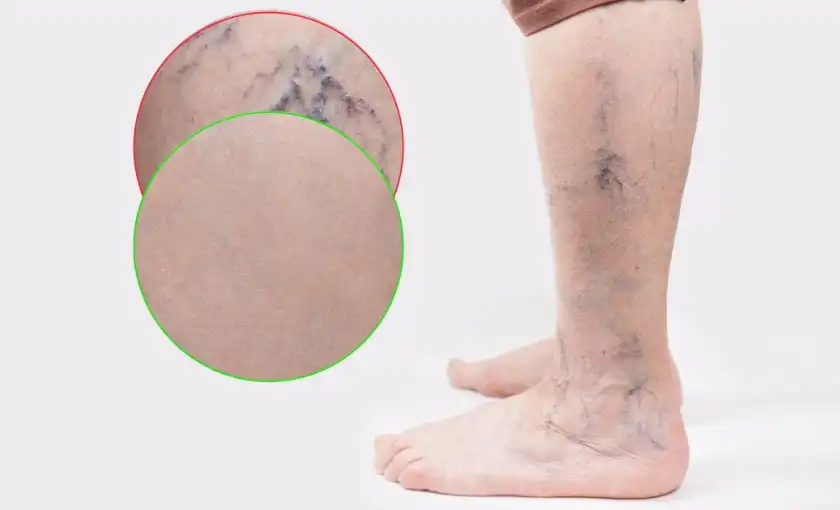
Leg vein pain can feel like aching, heaviness, throbbing, burning, cramping, or tenderness in the calf or lower leg. When the discomfort is accompanied by bulging or twisted veins, swelling, itching, or symptoms that worsen after prolonged standing, varicose veins or chronic venous insufficiency may be contributing to the pain.
Varicose veins develop when valves inside superficial leg veins do not move blood upward efficiently. Blood can pool in the veins, increasing pressure and causing the veins to enlarge. For some people, the main concern is appearance. For others, varicose veins can cause persistent leg pain, swelling, heaviness, and other symptoms that affect daily activities.
Not every painful leg vein is caused by varicose veins, however. New, severe, or unexplained leg pain should be evaluated to determine the cause.
What Does Vein Pain in the Leg Feel Like?
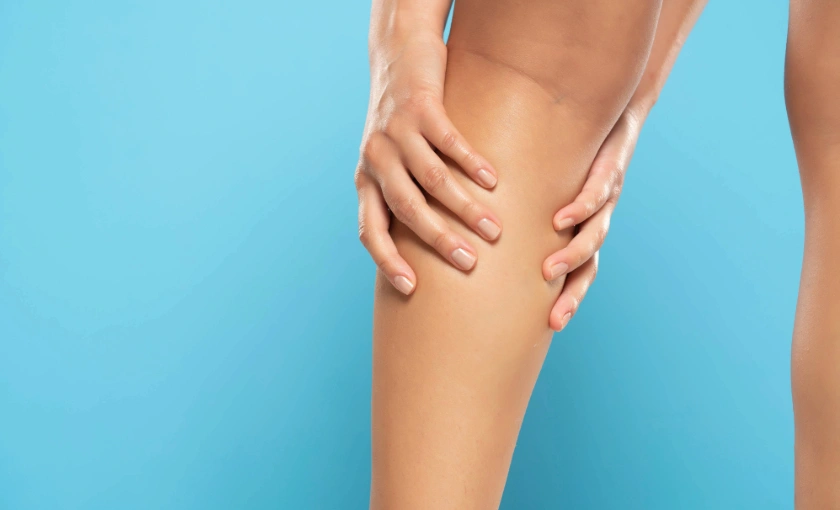
Vein pain in the leg often feels like aching, heaviness, throbbing, burning, cramping, pressure, or tenderness.
People with painful varicose veins may describe their legs as:
- Achy
- Heavy or tired
- Sore
- Throbbing
- Burning
- Itchy
- Tight
- Cramping
- Tender around visible veins
Symptoms commonly affect the calves and lower legs.
Varicose vein pain may also become more noticeable after standing or sitting for long periods. Mayo Clinic identifies aching or heavy legs, burning, throbbing, muscle cramping, swelling, and pain that worsens after prolonged sitting or standing among common painful symptoms of varicose veins.
Why Do the Veins in My Legs Hurt?
Veins in the legs can become painful when pressure builds inside the venous system.
Healthy leg veins contain valves that help move blood back toward the heart. If these valves become damaged or fail to close properly, blood can flow backward and collect in the legs. This is known as venous reflux.
Over time, increased venous pressure can contribute to:
- Enlarged or bulging varicose veins
- Aching or heavy legs
- Swelling
- Throbbing
- Burning
- Itching
- Calf discomfort
- Skin changes
When venous reflux becomes more persistent or advanced, it may be associated with chronic venous insufficiency.
Can Varicose Veins Cause Leg Pain?
Yes. Varicose veins can cause pain in the legs.
Although some varicose veins cause no symptoms, others can produce aching, heaviness, burning, throbbing, cramping, swelling, or tenderness.
Pain may become worse:
- Toward the end of the day
- After prolonged standing
- After sitting for long periods
- During warm weather
- When the legs are swollen
The Society for Vascular Surgery describes varicose veins as enlarged, bulging veins that develop because of increased pressure within the leg veins when valves do not work properly.
Can a Bulging Vein in the Leg Hurt?
Yes.
A bulging vein in the leg can become painful or tender, particularly when increased pressure or inflammation affects the vein.
A painful bulging vein may feel:
- Sore to the touch
- Achy
- Firm
- Tender
- Warm
- Throbbing
Visible bulging veins are commonly associated with varicose veins, but sudden pain, redness, warmth, or firmness along a vein can have other causes and should be evaluated.
Why Do My Calf Veins Hurt?
Calf vein pain can have several possible causes.
When the pain is related to venous disease, you may also notice:
- Visible or bulging calf veins
- Leg heaviness
- Swelling around the calf or ankle
- Aching after standing
- Throbbing
- Itching
- Cramping
- Symptoms that improve when the legs are elevated
Venous insufficiency commonly affects the lower legs because blood must travel against gravity to return toward the heart.
However, calf pain should not automatically be assumed to be a varicose vein problem. Muscle injury, nerve problems, arterial disease, blood clots, and other conditions can also cause calf pain.
Can You Have Vein Pain Without Visible Varicose Veins?
Yes.
A person can have venous reflux or chronic venous insufficiency even when large bulging veins are not obvious at the surface.
Symptoms may include:
- Heavy legs
- Aching
- Swelling
- Calf tightness
- Throbbing
- Nighttime cramping
- Itching
- Skin discoloration
A duplex ultrasound can be used when appropriate to evaluate blood flow and determine whether venous reflux is present.
This is one reason persistent leg symptoms deserve evaluation even when you cannot see obvious varicose veins.
What Causes Varicose Vein Pain?
Varicose vein pain is generally related to increased pressure within abnormal superficial veins.
When vein valves fail to function effectively, blood can move backward rather than efficiently returning toward the heart.
This can lead to:
- Blood pooling in the legs
- Higher pressure inside superficial veins
- Stretching and enlargement of the vein
- Swelling and inflammation in surrounding tissues
- Symptoms such as aching, heaviness, burning, and throbbing
The severity of visible veins does not always match the severity of symptoms. Someone with prominent varicose veins may have little discomfort, while another person with less-visible venous disease may experience significant heaviness or aching.
What Does Varicose Vein Pain in the Calf Feel Like?
Varicose vein pain in the calf may feel like:
- A dull ache
- Heaviness
- Pressure
- Throbbing
- Burning
- Tightness
- Cramping
- Tenderness around a visible vein
Some people describe the calf as feeling tired or unusually heavy rather than sharply painful.
Symptoms that worsen after standing and improve after elevation may suggest a venous component, although an examination is necessary to determine the actual cause.
Why Are My Leg Veins Popping Out and Hurting?
Veins that appear more prominent or bulging can be varicose veins.
Varicose veins develop when increased pressure causes superficial veins to enlarge and become twisted or rope-like.
If a vein is both bulging and painful, venous reflux may be contributing.
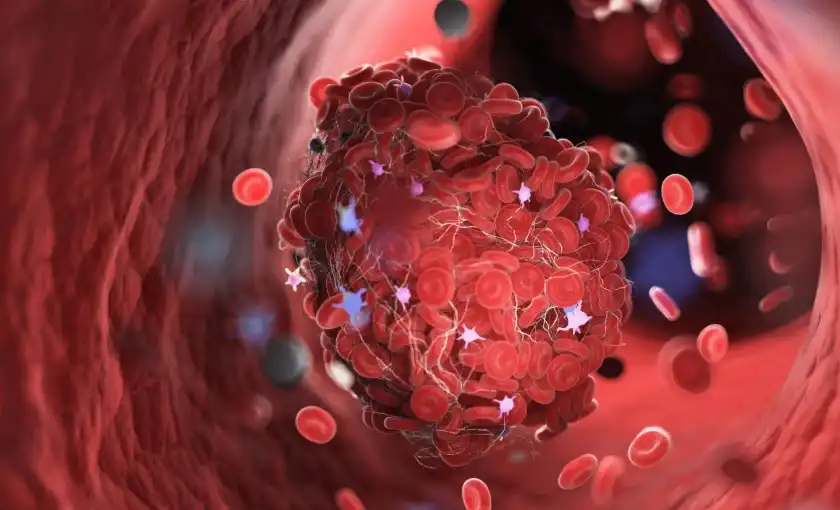
However, a newly painful vein that becomes red, warm, hard, or unusually tender should be evaluated because inflammation or clotting in a superficial vein can cause similar symptoms.
Are Sore Varicose Veins Normal?
Varicose veins can become sore or tender, but persistent pain should not simply be ignored.
Mild aching or heaviness may occur with chronic venous disease. Increasing pain, significant tenderness, redness, warmth, swelling, or a firm vein may indicate another problem that requires evaluation.
Painful varicose veins can also be a sign that the condition is affecting more than appearance.
Can Varicose Veins Cause Muscle Cramps?
Varicose veins and chronic venous disease can be associated with leg cramping.
People may experience:
- Calf cramps
- Nighttime leg cramps
- Tightness
- Aching
- Restless or uncomfortable legs
However, muscle cramps have many possible causes, including dehydration, medications, muscle fatigue, electrolyte abnormalities, and other medical conditions.
Persistent cramping should therefore be evaluated in the context of your other symptoms rather than assumed to be caused by varicose veins.
Does Vein Pain Get Worse After Standing?
It can.
Standing for long periods increases the amount of time the leg veins must work against gravity to return blood toward the heart.
In people with weakened vein valves, this can increase pooling and venous pressure.
As a result, symptoms may become more noticeable later in the day and can include:
- Aching
- Heaviness
- Swelling
- Throbbing
- Calf pressure
- Tired legs
People who work in occupations that involve long periods of standing may notice symptoms particularly strongly toward the end of a shift.
Can Sitting Too Long Cause Vein Pain?
Prolonged sitting can also contribute to symptoms.
The calf muscles help pump blood upward through the veins when you walk. Sitting for long periods reduces this muscle-pump activity.
For someone with venous reflux, extended sitting may contribute to:
- Heaviness
- Swelling
- Aching
- Tightness
- Leg fatigue
Taking periodic walking breaks can help activate the calf muscles and improve venous return.
How Can I Relieve Vein Pain in My Legs at Home?
Conservative measures may help reduce mild symptoms related to varicose veins.
Stay Active
Regular walking activates the calf muscles, which help move blood upward through the legs.
If you sit or stand for extended periods, try to change positions periodically and incorporate short walking breaks when possible.
Elevate Your Legs
Elevating the legs can reduce pressure and swelling by helping blood return toward the heart.
When resting, raise your legs comfortably above the level of your heart when practical.
Consider Compression Therapy
Compression stockings apply graduated pressure to the legs and can help manage symptoms such as swelling and aching in some patients.
Compression therapy does not correct every underlying cause of venous reflux, however, and it may not be appropriate for everyone.
A healthcare professional can advise whether compression is suitable for you.
Exercise Regularly
Walking and other appropriate physical activity can support circulation and calf-muscle function.
You do not need intense exercise to activate the calf pump. Regular movement throughout the day can be useful.
What Is the Best Treatment for Vein Pain in the Leg?
The best treatment depends on what is causing the pain.
If venous reflux is identified, treatment may range from conservative management to minimally invasive procedures.
Options can include:
- Compression therapy
- Activity and lifestyle changes
- Radiofrequency ablation
- Endovenous laser treatment
- VenaSeal™
- Ambulatory phlebectomy
- Sclerotherapy
Not every patient needs a procedure.
A vascular evaluation can help determine whether symptoms are related to superficial venous reflux and which treatment options are appropriate.
How Is Painful Venous Reflux Diagnosed?
Evaluation generally begins with a medical history and physical examination.
Your provider may ask:
- Where the pain occurs
- When symptoms are worst
- Whether standing makes symptoms worse
- Whether elevation helps
- Whether swelling occurs
- Whether you have visible varicose veins
- Whether you have had previous vein treatment or blood clots
When venous reflux is suspected, a duplex ultrasound may be recommended.
Ultrasound can evaluate blood flow and valve function and identify which superficial veins are allowing blood to flow backward.
Do Painful Varicose Veins Need Treatment?
Not every varicose vein requires procedural treatment.
Treatment is generally based on:
- Severity of symptoms
- Ultrasound findings
- Presence and location of venous reflux
- Swelling
- Skin changes
- Previous treatments
- Overall health
- Individual treatment goals
For people with symptomatic varicose veins and confirmed axial reflux, current vascular guidelines support intervention when clinically appropriate.
What Treatments Can Help Painful Varicose Veins?
Depending on the affected veins, treatment may include several approaches.
Radiofrequency Ablation
Radiofrequency ablation uses controlled thermal energy to close a diseased superficial vein.
Blood is then redirected through healthier veins.
Endovenous Laser Treatment
Endovenous laser treatment also closes an incompetent superficial vein, but uses laser energy rather than radiofrequency energy.
VenaSeal™
VenaSeal™ uses a medical adhesive to close certain diseased superficial veins without thermal energy.
Ambulatory Phlebectomy
Ambulatory phlebectomy removes bulging surface varicose veins through small openings in the skin.
Sclerotherapy
Sclerotherapy is commonly used for spider veins and selected smaller varicose veins.
The appropriate procedure depends on the specific pattern of venous disease rather than simply which veins are visible.
When Should I See a Vein Specialist for Leg Pain?
Consider scheduling a vascular evaluation when you have:
- Persistent aching or heaviness
- Painful varicose veins
- Bulging veins that hurt
- Recurrent calf vein pain
- Leg swelling
- Symptoms that worsen after standing
- Skin discoloration around the ankles
- Itching or irritation around visible veins
- Symptoms interfering with work, exercise, or daily activities
- Varicose veins that have become increasingly painful
A vein specialist can determine whether venous reflux is contributing to your symptoms or whether another cause should be considered.
When Is Leg or Vein Pain an Emergency?
Not all leg pain is caused by varicose veins.
Seek prompt medical attention for sudden or severe symptoms, particularly if you develop:
- Sudden significant swelling in one leg
- Severe calf pain
- New redness or warmth
- A suddenly painful, firm vein
- Chest pain
- Shortness of breath
- Fainting or severe lightheadedness
These symptoms can occur with conditions that require urgent evaluation.
Can Varicose Veins Cause Problems if They Are Left Untreated?
Some varicose veins remain primarily cosmetic, while others are associated with chronic venous disease.
More advanced venous insufficiency can contribute to:
- Persistent swelling
- Skin discoloration
- Skin inflammation
- Thickening or hardening of tissue
- Venous ulcers
- Recurrent inflammation of superficial veins
Chronic venous insufficiency is associated with increased pressure in the leg veins and can progress over time in some patients.
Find Treatment for Painful Varicose Veins
Persistent leg vein pain does not always mean you need a procedure, but it can be a reason to investigate your circulation.
BASS Vein Center provides evaluation and treatment for painful varicose veins, venous reflux, chronic venous insufficiency, swelling, and other vein-related symptoms.
Our vascular specialists use examination and diagnostic testing when appropriate to determine whether vein dysfunction is contributing to your symptoms and which treatment options may be appropriate.
Frequently Asked Questions About Vein Pain
Why do my veins hurt in my leg?
Veins may hurt when increased venous pressure, inflammation, or another vascular problem affects them. Varicose veins and chronic venous insufficiency can cause aching, heaviness, burning, throbbing, swelling, and tenderness. Other conditions can also cause leg pain, so persistent symptoms should be evaluated.
What does vein pain feel like?
Vein-related pain may feel like aching, heaviness, throbbing, burning, cramping, pressure, or tenderness. Symptoms associated with varicose veins often become worse after prolonged sitting or standing.
What causes vein pain in the calf?
Varicose veins and venous reflux can contribute to aching, heaviness, swelling, and tenderness in the calf. Calf pain can also be caused by muscle, nerve, arterial, or clot-related conditions, so new or unexplained calf pain should not automatically be attributed to varicose veins.
Can varicose veins hurt?
Yes. Varicose veins can cause aching, burning, throbbing, heaviness, swelling, itching, cramping, and tenderness, although some people have visible varicose veins without pain.
Why does my bulging leg vein hurt?
A bulging varicose vein may hurt because of increased pressure or inflammation. A vein that suddenly becomes very painful, firm, red, or warm should be evaluated.
Can veins in the calf cause leg pain?
Yes. Superficial venous reflux and varicose veins in the calf can be associated with aching, heaviness, swelling, tenderness, or throbbing. Ultrasound may be used when symptoms suggest underlying venous insufficiency.
Can veins hurt even when they are not bulging?
Yes. Underlying venous reflux can cause symptoms even without obvious bulging varicose veins. Symptoms may include aching, heaviness, swelling, cramping, or tired legs.
How do you relieve varicose vein pain?
Walking, leg elevation, regular movement, and compression therapy when appropriate may help manage symptoms. Persistent pain should be evaluated because minimally invasive treatment may be an option when significant venous reflux is present.
What is the treatment for painful veins in the legs?
Treatment depends on the cause. When painful veins are related to superficial venous reflux, treatment may include conservative management, compression, radiofrequency ablation, endovenous laser treatment, VenaSeal™, phlebectomy, or sclerotherapy depending on the affected veins.
When should I worry about calf vein pain?
Seek medical evaluation for new, severe, rapidly worsening, or unexplained calf pain, especially when accompanied by significant swelling, redness, warmth, or tenderness. Chest pain or shortness of breath requires urgent medical attention.
Note: Coverage varies between insurance plans. Please check with your insurance provider before scheduling. BASS Vein Center will verify your benefits so you understand any out-of-pocket costs ahead of treatment.
Medical Disclaimer: The information provided in this blog is for educational and informational purposes only and is not intended as medical advice, diagnosis, or treatment. BASS Medical Group does not endorse any specific tests, treatments, procedures, or opinions referenced in this content. Individual results may vary. Always consult with your physician or a qualified healthcare provider regarding any medical concerns or before making changes to your health regimen.