Skin Rash from Varicose Veins: Itching, Stasis Dermatitis & Treatment
An itchy, red, brown, purple, or scaly rash on the lower legs or around the ankles may be related to more than dry skin. Varicose veins and chronic venous insufficiency can cause itching and skin changes when increased pressure inside the leg veins affects the surrounding skin.
This condition is commonly called stasis dermatitis, venous eczema, or varicose eczema.
Stasis dermatitis often causes itching, swelling, discoloration, dryness, and scaling of the lower legs. Without appropriate management, chronic venous disease can sometimes progress to more significant skin changes or venous ulcers.
However, not every red or discolored area on the leg is caused by varicose veins. Sudden redness accompanied by significant swelling, warmth, or pain can have other causes and should be evaluated.
Do Varicose Veins Cause Itching?
Yes. Varicose veins and chronic venous insufficiency can cause itchy skin, particularly around the lower legs and ankles.
When valves inside the leg veins do not function effectively, blood can collect in the lower legs. The resulting increase in venous pressure can contribute to inflammation and changes in the surrounding skin.
Symptoms may include:
- Itching
- Dry or flaky skin
- Redness or discoloration
- Burning
- Swelling
- Scaling
- Tenderness
- Thickening of the skin
The Society for Vascular Surgery includes itching, burning, swelling, pain and skin discoloration among symptoms associated with chronic venous insufficiency.
Learn more about why varicose veins itch.
Why Are My Varicose Veins Itchy?
Itchy varicose veins are often related to venous hypertension, or increased pressure within the leg veins.
Healthy veins contain valves that help blood travel upward toward the heart. When these valves become weakened or damaged, some blood can flow backward and pool in the legs.
Over time, this increased pressure can affect surrounding tissue and contribute to inflammation of the skin.
The result may be:
- Persistent itching
- Dryness
- Red or darker skin
- Swelling around the ankles
- Flaking or scaling
- Skin that becomes thicker over time
This type of inflammation is known as venous stasis dermatitis.
Are Itchy Varicose Veins Dangerous?
Itchy varicose veins are not usually an emergency, but persistent itching can be a sign of chronic venous disease that should not simply be ignored.
Itching may indicate that increased venous pressure is beginning to affect the skin.
As chronic venous insufficiency progresses, some people can develop:
- Persistent swelling
- Skin discoloration
- Stasis dermatitis
- Thickened or hardened skin
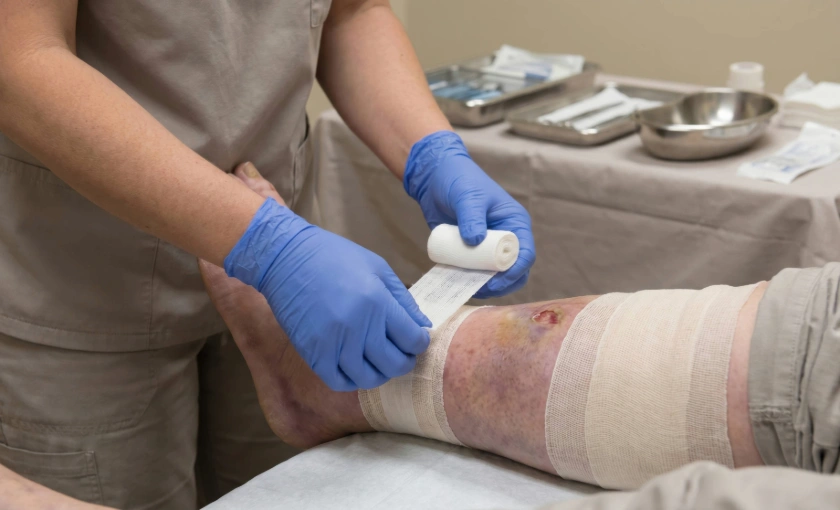
- Open sores or venous ulcers
Cleveland Clinic describes itching and skin discoloration as symptoms of venous stasis dermatitis and notes that sores can develop as the condition progresses.
So while an itchy vein itself does not necessarily mean something dangerous is happening, ongoing itching combined with swelling or skin changes deserves evaluation.
What Does a Varicose Vein Rash Look Like?
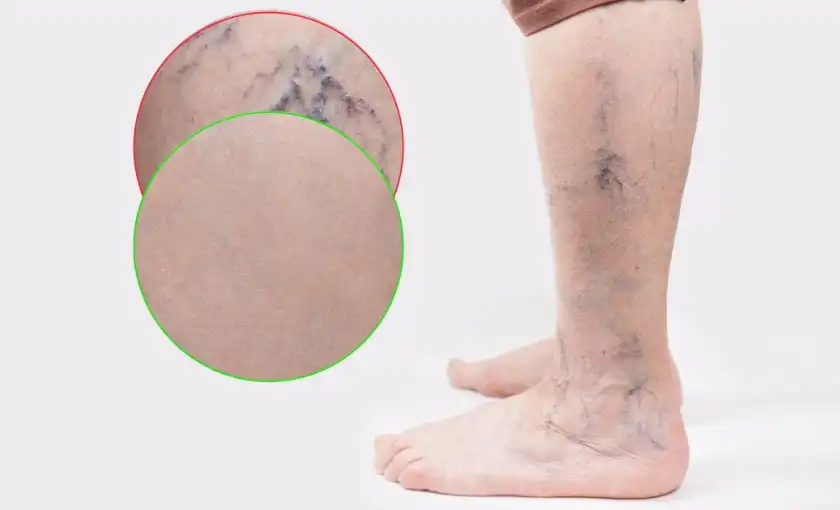
A varicose vein rash typically develops on the lower legs, especially around the ankles.
The appearance can vary depending on skin tone and severity.
Possible changes include:
- Red or brown patches
- Purple, gray or darker areas of skin
- Dry or flaky skin
- Scaly patches
- Crusting
- Swelling
- Thick or leathery skin
- Small irritated areas from scratching
On lighter skin, varicose eczema may appear red or brown. On darker skin, it may appear dark brown, purple or gray.
The rash may affect one leg or both legs.
Why Do I Have a Red Rash on My Lower Legs Above My Ankles?
A red, itchy rash around the lower legs and ankles is one common presentation of stasis dermatitis.
The ankle region is particularly vulnerable because venous pressure tends to be greatest in the lower portion of the legs.
You may also notice:
- Ankle swelling
- Itching
- Dryness
- Brown discoloration
- Visible varicose veins
- Aching or heaviness
- Symptoms that become more noticeable later in the day
However, a newly appearing red area that is very warm, painful or rapidly spreading should not automatically be assumed to be venous eczema.
Other conditions, including infection and blood clots, can cause redness and require different treatment.
What Are the Brown or Red Vein Patches on My Legs?
Chronic venous disease can cause patches of discoloration around the lower legs and ankles.
These changes may begin as:
- Red patches
- Brown areas
- Purple or darker discoloration
- Dry, irritated spots
Over time, persistent venous pressure can produce more extensive skin changes.
One possible reason for brown discoloration is the breakdown of red blood cells after blood leaks into surrounding tissues. Iron-containing pigment can remain in the skin and contribute to a brown appearance.
More advanced chronic venous disease can also contribute to conditions such as lipodermatosclerosis, which can cause inflammation, pain, discoloration and hardening of tissue in the lower legs.
Is a Varicose Vein Rash the Same as Stasis Dermatitis?
Usually, when people refer to a rash caused by varicose veins, they are describing stasis dermatitis.
You may also hear the condition called:
- Venous stasis dermatitis
- Venous eczema
- Varicose eczema
- Gravitational eczema
All of these terms describe skin inflammation associated with impaired venous circulation in the lower legs.
Varicose veins may be present, but they do not always have to be dramatically visible for chronic venous insufficiency to cause skin symptoms.
Can Varicose Veins Cause Itching Without a Rash?
Yes.
Itching may begin before obvious skin changes become noticeable.
Someone with underlying venous disease may experience:
- Itchy lower legs
- Heavy legs
- Aching
- Swelling
- Burning
- Tightness
- Leg fatigue
without having a clearly defined rash.
Persistent itching combined with swelling, heaviness or visible veins can be a reason to consider a vascular evaluation.
Can a Blood Clot Cause a Rash on the Leg?
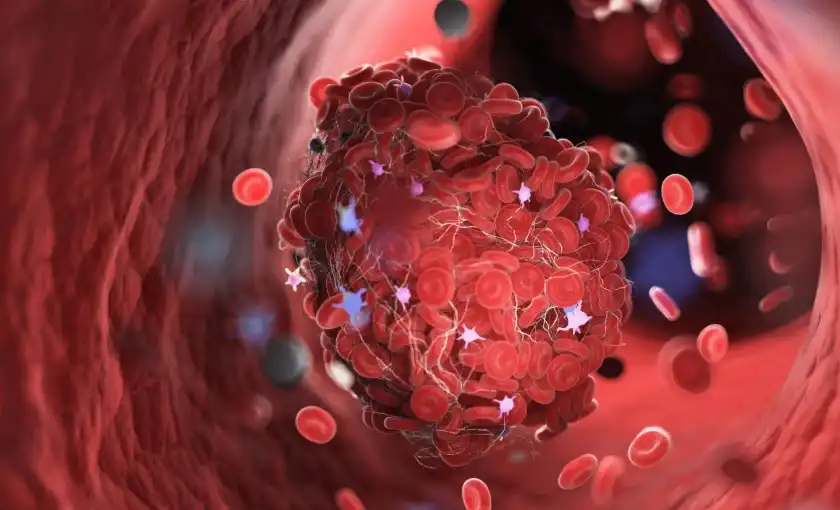
A deep vein thrombosis (DVT) does not usually cause the type of itchy, flaky rash associated with stasis dermatitis.
However, a DVT can cause changes in the skin that people may describe online as a “blood clot rash.”
Possible DVT symptoms include:
- Swelling, often affecting one leg
- Pain or tenderness
- Warmth
- Redness
- Red, blue or darker discoloration
The CDC specifically lists swelling, pain or tenderness, warmth, and redness or discoloration among common DVT symptoms.
Because these symptoms can overlap with other leg conditions, appearance alone cannot confirm whether a blood clot is present.
What Does a DVT Rash Look Like?
There is no single characteristic “DVT rash.”
Instead, the skin over or around a DVT may appear:
- Red
- Darker than surrounding skin
- Bluish
- Discolored
- Swollen
- Warm
Cleveland Clinic notes that DVT can cause red or discolored skin in addition to swelling, pain and warmth.
A DVT cannot be reliably diagnosed by looking at the skin.
If one leg suddenly becomes swollen, painful, warm or discolored, seek prompt medical evaluation.
How Can You Tell a DVT From a Varicose Vein Rash?
The symptoms can overlap, but there are some typical differences.
A varicose vein rash or stasis dermatitis more commonly causes:
- Chronic itching
- Dryness
- Scaling
- Flaking
- Brown or reddish discoloration
- Swelling around the ankles
- Symptoms developing gradually
DVT more commonly causes:
- New swelling, often involving one leg
- Pain or tenderness
- Warmth
- Redness or discoloration
Importantly, symptoms alone cannot reliably rule a DVT in or out. About half of people with DVT may have no symptoms at all.
When a blood clot is suspected, medical evaluation and appropriate testing are necessary.
Can Varicose Veins Cause Blood Clots Near the Skin?
Varicose veins can sometimes develop superficial thrombophlebitis, which involves inflammation and clotting in a superficial vein.
Symptoms may include:
- A painful vein
- Red or discolored skin
- Warmth
- Swelling
- A vein that feels firm or hard
- Tenderness
The NHS notes that phlebitis is common in people with varicose veins and may produce pain, swelling, warm or itchy skin and changes in skin color or texture.
Superficial thrombophlebitis is different from DVT, which involves the deeper veins.
A painful, red or hard vein should be evaluated to determine what is causing the symptoms.
Why Does Stasis Dermatitis Usually Affect the Ankles and Lower Legs?
Gravity makes it more difficult for blood to travel from the legs back toward the heart.
When vein valves are not functioning effectively, increased pressure develops in the lower leg veins.
The lower legs and ankles therefore tend to experience some of the most significant effects of chronic venous pressure.
This is why venous disease frequently produces:
- Ankle swelling
- Itching around the ankles
- Brown pigmentation
- Dry skin
- Redness
- Venous ulcers near the ankle
How Do You Treat Itchy Varicose Veins?
Treatment depends on both the skin inflammation and the underlying vein condition.
Relieving the itching alone may help temporarily, but recurring stasis dermatitis often requires management of the venous disease contributing to the problem.
Moisturize Dry Skin
Regular application of fragrance-free moisturizers or emollients can help restore the skin barrier and reduce dryness.
Avoid heavily fragranced products that may further irritate sensitive skin.
Avoid Scratching
Persistent scratching can damage already irritated skin and increase the risk of skin breakdown.
Keeping the skin moisturized and discussing persistent itching with a healthcare professional can help reduce the itch-scratch cycle.
Elevate Your Legs
Leg elevation may help reduce swelling and venous pressure.
When resting, elevating the legs above the level of the heart when practical may improve venous return.
Stay Physically Active
Walking activates the calf muscles, which help pump blood upward from the legs.
Regular movement can be particularly helpful for people who spend long periods sitting or standing.
Compression Therapy
Medical compression stockings may be recommended for some patients with chronic venous insufficiency and stasis dermatitis.
Compression applies graduated pressure to the legs to help improve venous blood flow and reduce pressure within the veins. The NHS includes compression stockings as a treatment for varicose eczema.
Compression is not appropriate for everyone, so patients with circulation concerns should ask a healthcare professional before starting compression therapy.
Medications for Skin Inflammation
A healthcare professional may recommend topical treatments for significant inflammation or itching.
These may include prescription topical corticosteroids in appropriate cases.
Treatment should be individualized, particularly when the skin is cracked, infected or otherwise damaged.
Will Cream Get Rid of a Varicose Vein Rash?
Creams may help relieve dryness, itching and inflammation, but they do not repair malfunctioning vein valves.
If chronic venous insufficiency is causing recurring stasis dermatitis, treating only the skin may not address the underlying reason symptoms keep returning.
This is why patients with recurrent or persistent lower-leg rashes may benefit from evaluation for venous reflux.
How Is the Underlying Vein Problem Diagnosed?
A vascular evaluation usually begins with a review of symptoms and examination of the legs.
A provider may look for:
- Varicose veins
- Swelling
- Skin discoloration
- Stasis dermatitis
- Areas of hardened skin
- Previous ulcers
- Other signs of chronic venous disease
When underlying reflux is suspected, duplex ultrasound can evaluate blood flow and determine whether valves in the superficial veins are functioning appropriately.
Can Treating Varicose Veins Help With Itching and Skin Changes?
When chronic venous insufficiency is contributing to the skin problem, treating the underlying venous reflux may be part of the treatment plan.
The appropriate approach depends on the affected veins and ultrasound findings.
Treatment options may include:
- Conservative vein treatment
- Compression therapy
- Radiofrequency ablation
- Endovenous laser treatment
- VenaSeal™
- Sclerotherapy
- Ambulatory phlebectomy
The Society for Vascular Surgery lists conservative measures, compression, endovenous ablation and sclerotherapy among treatment approaches for chronic venous insufficiency depending on the patient's condition.
Not every patient with itchy skin or visible veins needs a procedure.
When Should I See a Vein Specialist for Itchy Legs?
Consider an evaluation if you have:
- Persistent itching around the ankles or lower legs
- Varicose veins that have become itchy
- Recurrent lower-leg rashes
- Brown or reddish patches around your ankles
- Leg swelling
- Aching or heaviness
- Thickening or hardening of the skin
- Skin changes that continue despite topical treatment
- A history of venous ulcers
These symptoms may indicate that chronic venous disease is affecting the skin.
When Are Leg Redness and Skin Changes More Urgent?
Seek prompt medical attention for symptoms such as:
- Sudden significant swelling in one leg
- New or severe leg pain
- Unexplained warmth
- Rapidly increasing redness
- A painful, hard or tender vein
- Fever with spreading redness
- Sudden shortness of breath or chest pain
These symptoms may have causes other than stasis dermatitis and require medical evaluation.
Varicose Vein Rash and Itching Treatment
An itchy lower-leg rash can be easy to dismiss as dry skin, but persistent itching, ankle discoloration and swelling may be signs of an underlying circulation problem.
BASS Vein Center evaluates varicose veins, chronic venous insufficiency, stasis dermatitis and other symptoms associated with venous disease.
Our vascular specialists can evaluate your symptoms and use diagnostic testing when appropriate to determine whether venous reflux is contributing to your skin changes.
Frequently Asked Questions About Itchy Varicose Veins and Leg Rashes
Do varicose veins itch?
Yes. Varicose veins and chronic venous insufficiency can cause itching when increased venous pressure contributes to inflammation and changes in the surrounding skin.
Why are my varicose veins so itchy?
Persistent itching can be related to stasis dermatitis. Poor venous circulation increases pressure in the lower legs and can contribute to dry, inflamed, irritated skin.
Are itchy varicose veins dangerous?
Itching itself is usually not an emergency. However, persistent itching may indicate chronic venous disease that is beginning to affect the skin. Untreated chronic venous insufficiency can progress to more significant skin changes and, in some patients, venous ulcers.
What is the treatment for itchy varicose veins?
Treatment may include moisturizers, leg elevation, regular activity, compression therapy when appropriate and treatment of underlying venous reflux when indicated. The correct approach depends on the cause and severity of the symptoms.
What does a varicose vein rash look like?
A varicose vein rash may appear red, brown, purple or gray and can be dry, itchy, flaky or scaly. It most commonly affects the lower legs and ankles.
Why do I have red patches above my ankles?
Red or discolored patches around the ankles can occur with venous stasis dermatitis, particularly when accompanied by swelling, itching or varicose veins. Other skin and vascular conditions can cause similar changes, so persistent symptoms should be evaluated.
Can a blood clot cause a rash on your leg?
DVT does not typically cause an itchy, scaly rash like stasis dermatitis, but it can cause redness or discoloration of the skin along with swelling, pain, tenderness and warmth.
What does a DVT rash look like?
There is no specific DVT rash. A leg affected by DVT may develop redness or darker discoloration, warmth and swelling. These findings cannot confirm DVT without medical evaluation.
Does DVT cause skin changes?
Yes. DVT can cause redness or discoloration, swelling and warmth in the affected limb. Some people with DVT have no noticeable symptoms.
Is an itchy red vein a blood clot?
Not necessarily. Itching and redness can occur with venous inflammation, stasis dermatitis or superficial thrombophlebitis. A painful, warm, swollen or hard vein should be medically evaluated rather than diagnosed based on appearance alone.
Can varicose veins cause brown patches on the legs?
Yes. Chronic venous disease can lead to brown or darker discoloration, particularly around the ankles and lower legs. Persistent venous pressure and associated tissue changes can cause pigmentation over time.
Can you have stasis dermatitis without visible varicose veins?
Yes. Chronic venous insufficiency can be present without dramatic surface varicose veins. Ultrasound may be used when symptoms and examination suggest underlying venous reflux.
Note: Coverage varies between insurance plans. Please check with your insurance provider before scheduling. BASS Vein Center will verify your benefits so you understand any out-of-pocket costs ahead of treatment.
Medical Disclaimer: The information provided in this blog is for educational and informational purposes only and is not intended as medical advice, diagnosis, or treatment. BASS Medical Group does not endorse any specific tests, treatments, procedures, or opinions referenced in this content. Individual results may vary. Always consult with your physician or a qualified healthcare provider regarding any medical concerns or before making changes to your health regimen.