The Stages of Chronic Venous Insufficiency: What to Expect
Chronic venous insufficiency (CVI) is a progressive vascular condition caused by malfunctioning vein valves. These valves normally help push blood upward toward the heart. When they weaken, blood flows backward and pools in the legs, leading to symptoms such as swelling, discomfort, skin changes, and eventually ulceration if left untreated.
Understanding the stages of venous insufficiency can help you recognize symptoms early and seek treatment before the condition becomes more serious.
Stages of Chronic Venous Insufficiency
CVI progresses through several stages, each associated with more noticeable symptoms and structural changes in the veins and skin.
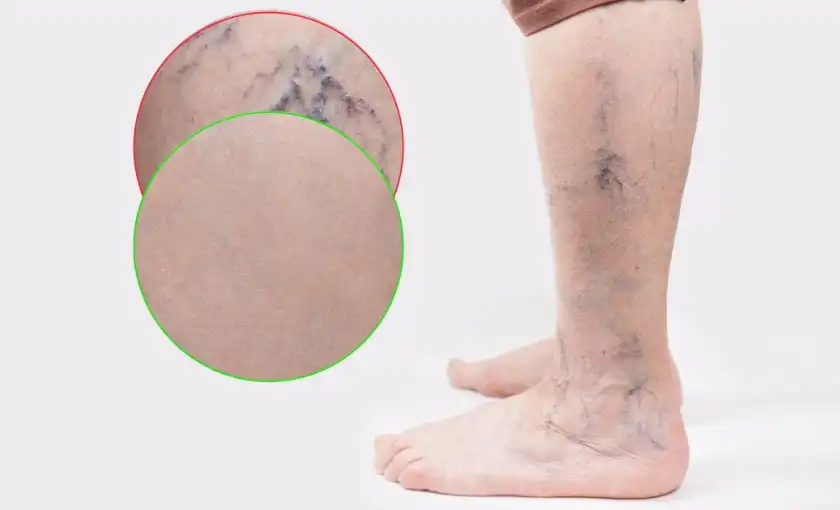
Stage 1: Spider Veins
Spider veins affect tiny surface-level capillaries and appear as red, blue, or purple web-like patterns on the skin. They are often cosmetic but may signal early vein dysfunction.
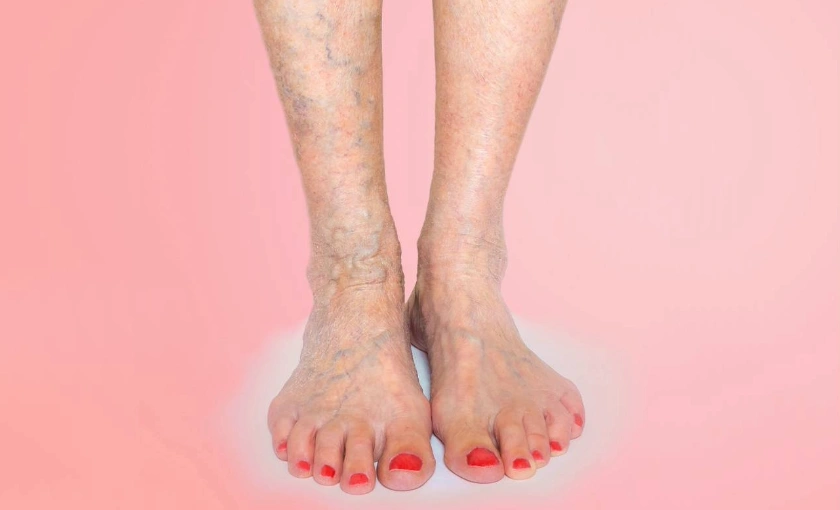
Stage 2: Varicose Veins
Varicose veins are bulging, twisted veins that can cause heaviness, itching, throbbing, burning, and achiness. They are a key sign of venous reflux—when valves fail to keep blood moving upward.
Stage 3: Leg Swelling (Edema)
Swelling in the legs, ankles, or feet develops as blood and fluid accumulate. Edema is one of the most common symptoms of moderate venous insufficiency and tends to worsen throughout the day.
Stage 4: Skin Discoloration & Venous Stasis Dermatitis
As edema becomes chronic, iron deposits and inflammation lead to skin darkening, hardness, or redness around the lower legs and ankles. This stage indicates significant progression of CVI.
Stage 5: Venous Ulcers
Venous ulcers occur when prolonged pressure and inflammation cause the skin and underlying tissue to break down. These wounds are slow to heal without treatment and may become infected if ignored.
Treatment Options for Chronic Venous Insufficiency
Depending on the stage of CVI, treatment may include conservative therapies, minimally invasive procedures, or a combination of both.
Conservative Therapy
Lifestyle-based treatments can help manage symptoms, especially in early stages:
- Regular exercise to enhance circulation
- Compression stockings to reduce swelling
- Leg elevation to relieve pressure
- Avoiding prolonged sitting or standing
- Maintaining hydration and healthy body weight
These measures do not cure CVI but can significantly improve comfort and slow progression.
Medications
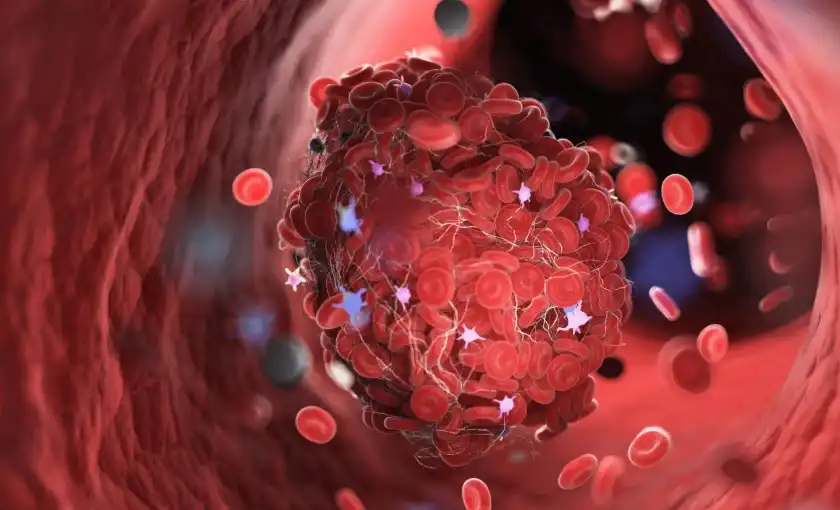
Over-the-counter anti-inflammatory medications may relieve pain and inflammation. Patients with a history of blood clots may also require anticoagulants under medical guidance.
Radiofrequency Ablation (RFA)
RFA is a minimally invasive procedure that uses heat energy to seal malfunctioning veins. This redirects blood into healthy veins and improves symptoms quickly with minimal downtime.
VenaSeal™
VenaSeal uses a medical-grade adhesive to close the diseased vein. This option often results in faster recovery, minimal discomfort, and no need for compression stockings after the procedure.
Sclerotherapy
During sclerotherapy, a solution is injected into the affected veins to cause them to collapse and be naturally absorbed by the body. This is highly effective for spider veins and smaller varicose veins.
Ambulatory Phlebectomy
For larger surface veins, phlebectomy removes the dysfunctional veins through tiny incisions. It is an outpatient procedure with excellent cosmetic and therapeutic results.
Expert Treatment for Venous Insufficiency at BASS Vein Center
BASS Vein Center has performed more than 24,000 vein procedures over 15 years, offering advanced diagnostic imaging and a full range of minimally invasive treatments. With multiple locations throughout the East Bay—including Walnut Creek, Brentwood, Danville, and more—our specialists are here to help you restore healthy vein function and improve your quality of life.
Schedule a consultation today to learn which treatment option is best for your stage of chronic venous insufficiency.
FAQs
1. What are the early signs of chronic venous insufficiency?
Early symptoms include aching legs, swelling, heaviness, and spider veins.
2. Can chronic venous insufficiency be reversed?
CVI cannot be fully reversed, but treatments can significantly reduce symptoms and prevent progression.
3. Which stage of CVI is considered serious?
Stages 4–5 (skin changes and ulcers) indicate advanced disease that should be treated promptly.
4. What is the most effective treatment for venous insufficiency?
Minimally invasive procedures such as RFA, VenaSeal™, or sclerotherapy are highly effective.
References
Note: Coverage varies between insurance plans. Please check with your insurance provider before scheduling. BASS Vein Center will verify your benefits so you understand any out-of-pocket costs ahead of treatment.
Medical Disclaimer: The information provided in this blog is for educational and informational purposes only and is not intended as medical advice, diagnosis, or treatment. BASS Medical Group does not endorse any specific tests, treatments, procedures, or opinions referenced in this content. Individual results may vary. Always consult with your physician or a qualified healthcare provider regarding any medical concerns or before making changes to your health regimen.