
What Is the Recovery Time for Vein Stripping Surgery?
Recovery after vein stripping surgery varies depending on how extensive the procedure is, whether one or both legs are treated, your overall health, and the physical demands of your job.
Many patients gradually return to normal daily activities over several weeks. Bruising, soreness, swelling, and tightness are common during the early stages of recovery, while complete healing of the incision areas can take longer.
If you are preparing for varicose vein surgery, understanding what happens during recovery, how long you may need off work, and which symptoms are expected can help you plan ahead.
What Is Vein Stripping Surgery?
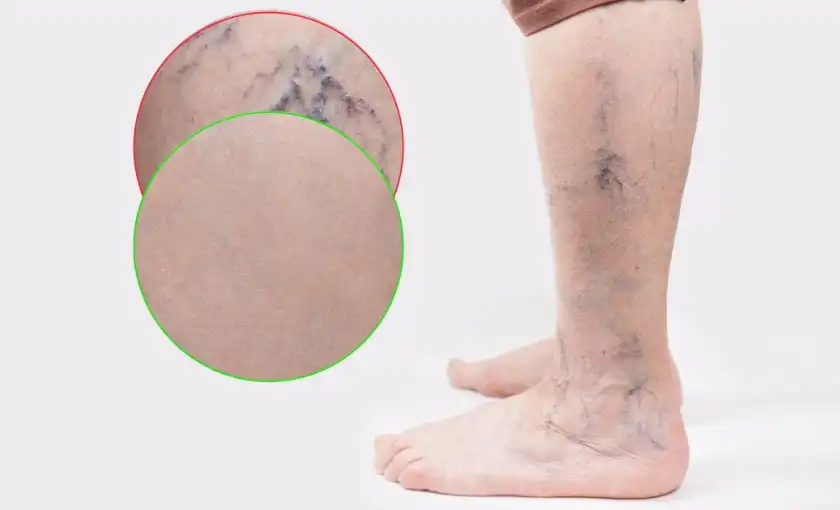
Vein stripping, also called vein ligation and stripping, is a surgical procedure used to remove certain abnormal superficial veins.
During the procedure, the surgeon makes small incisions and removes or ties off the affected vein. Blood is then redirected through other functioning veins.
Vein stripping has traditionally been used to treat large varicose veins and some cases of chronic venous insufficiency.
Today, surgical stripping is used less often because many patients can instead be treated with minimally invasive techniques such as radiofrequency ablation, endovenous laser treatment, or VenaSeal. The Society for Vascular Surgery recognizes vein stripping as a surgical option for severe varicose veins, while modern treatment also includes several endovenous alternatives.
You can read more about why vein stripping is no longer the preferred treatment for many patients in our related article.
How Long Does It Take to Recover From Varicose Vein Surgery?
There is no single recovery time for every patient.
After traditional vein stripping surgery, many patients need several weeks before they feel fully back to their normal routine.
The Society for Vascular Surgery notes that most patients can usually return to normal activities after approximately four weeks following vein stripping.
However, your recovery may be shorter or longer depending on:
- The extent of the surgery
- Whether one or both legs were treated
- The number and location of incisions
- Your age and overall health
- Your occupation
- Other procedures performed at the same time
- How your body heals
Bruising and tenderness may improve before all incision sites have completely healed.
Vein Stripping Recovery Timeline
First Few Days After Vein Stripping
Immediately after surgery, your leg may be wrapped in bandages or compression garments.
Common early symptoms include:
- Soreness
- Bruising
- Mild swelling
- Tightness
- Tenderness around the incisions
Vein stripping is often performed as an outpatient procedure, meaning many patients go home the same day.
Your surgical team may encourage gentle walking relatively soon after the procedure while also providing instructions about wound care, compression, and activity.
Follow the instructions from your surgeon because postoperative protocols vary.
First 1 to 2 Weeks
During the first couple of weeks, your leg may still feel sore or stiff.
Bruising can be substantial after surgical vein removal and may remain visible for several weeks. One postoperative resource notes that soreness or stiffness may last one to two weeks and bruising commonly lasts two to three weeks.
During this stage, patients generally focus on:
- Regular gentle walking
- Caring for incision sites
- Wearing compression if prescribed
- Gradually increasing everyday activity
- Avoiding activities restricted by the surgeon
Weeks 2 to 4
Many patients notice a significant improvement in soreness, swelling, and mobility during this period.
Bruising may still be visible. Surgical guidance from Guy's and St Thomas' notes that bruising after varicose vein surgery may last approximately three to four weeks.
Patients can often increase activity progressively as comfort improves and their surgeon allows.
After 4 Weeks
Many people can return to most normal activities by around this point, although recovery is individualized. The Society for Vascular Surgery says most patients can usually return to normal activities after four weeks following vein stripping.
Some soreness, firmness, skin sensitivity, or healing around incision sites may continue beyond this point.
How Long Should You Take Off Work After Varicose Vein Surgery?
How long you need off work after varicose vein surgery depends heavily on your job and the surgery performed.
Someone working at a desk may be able to return sooner than someone whose job involves:
- Prolonged standing
- Heavy lifting
- Repetitive bending
- Physical labor
- Extensive walking
- Driving for long periods
General varicose vein treatment guidance from Guy's and St Thomas' advises that return to work depends on comfort and job demands, and that people whose jobs involve prolonged standing, driving, or bilateral treatment may need additional time.
Traditional surgical stripping may require a different recovery period from modern minimally invasive treatments, so your surgeon's recommendation should take priority.
What Is Normal After Varicose Vein Surgery?
Some symptoms are expected during varicose vein surgery recovery.
These may include:
Bruising
Bruising is common along the areas where veins were removed.
It may look significant initially but generally fades over the following weeks.
Soreness or Pain
Tenderness around the surgical areas is expected, particularly during the early recovery period.
Pain should generally become more manageable rather than progressively worsen.
Swelling
Some temporary swelling can occur after leg vein removal surgery.
Walking, elevation, and compression may be recommended depending on your surgeon's postoperative plan.
Tightness or Pulling
The treated leg may temporarily feel tight, firm, or uncomfortable as tissues heal.
Incision Healing
Small surgical incisions may initially appear red or raised.
The visible appearance of surgical scars can continue to change for months after the procedure. Guy's and St Thomas' notes that surgical cuts may take many months to become much less visible.
Do You Need Compression Stockings After Vein Stripping?
Compression stockings or compression bandages are commonly used following surgical treatment of varicose veins.
Compression may help manage postoperative swelling and bruising.
A clinical guideline on compression after invasive treatment suggests compression with elastic stockings or wraps when possible after surgical stripping or thermal vein procedures.
The duration of compression varies, so follow your surgeon's instructions rather than using a standard number of days or weeks.
How Much Should You Walk After Vein Stripping Surgery?
Gentle walking is generally encouraged during recovery, but your surgeon will tell you how much activity is appropriate.
Walking helps prevent prolonged inactivity and gradually restores normal mobility.
Start with manageable distances and increase your activity based on comfort and your postoperative instructions.
You should not force yourself through significant pain simply to reach a specific walking target.
When Can You Exercise After Varicose Vein Surgery?
Return to exercise should be gradual.
Walking usually resumes before more demanding activities such as:
- Running
- Heavy resistance training
- High-impact exercise
- Strenuous lower-body workouts
The exact timeline depends on the surgery and your healing.
Avoid using a universal rule such as “no exercise for six weeks.” Your surgeon can tell you when it is appropriate to resume specific activities.
For more information, read our guide to exercise and varicose veins.
What Factors Affect Vein Surgery Recovery Time?
Recovery after leg vein removal surgery varies from patient to patient.
Extent of Surgery
Removing more extensive veins or treating both legs may increase recovery time.
Overall Health
Medical conditions that affect healing or circulation can influence recovery.
Smoking
Smoking can interfere with wound healing and overall vascular health.
Job and Activity Level
Someone returning to sedentary work may have different recovery needs than someone who performs manual labor.
Additional Procedures
Some patients undergo multiple procedures during the same treatment episode, which can affect postoperative symptoms and restrictions.
Following Postoperative Instructions
Wound care, activity, compression, and follow-up recommendations should be followed according to your surgeon's individualized plan.
What Is Recovery Like After Surgery for Venous Insufficiency?
Chronic venous insufficiency can be treated in several ways depending on which veins are affected.
If surgical stripping is performed, recovery resembles the timeline outlined above.
However, many patients with venous insufficiency are now treated using minimally invasive procedures rather than surgical stripping.
These procedures may involve a substantially different recovery experience.
Is Vein Stripping Still Common?
Vein stripping is performed much less often than it once was.
Modern vein treatment increasingly relies on minimally invasive methods that close abnormal veins from inside rather than surgically removing a long segment of vein.
Treatment options can include:
Ambulatory phlebectomy is not the same procedure as vein stripping. Phlebectomy removes individual surface varicose veins through very small openings, while traditional stripping surgically removes a longer abnormal vein.
A vein specialist can determine which approach is appropriate based on ultrasound findings and vein anatomy.
When Should You Call Your Doctor After Vein Surgery?
Contact your surgical team if you develop symptoms that are significant, unexpected, or worsening, such as:
- Increasing pain
- Significant or increasing swelling
- Spreading redness
- Drainage from an incision
- Fever
- Persistent numbness or other new neurological symptoms
- A wound that does not appear to be healing normally
Seek urgent medical evaluation for symptoms that could indicate a serious postoperative complication, such as sudden shortness of breath or chest pain.
Vein Surgery and Modern Treatment Options at BASS Vein Center
Traditional vein stripping surgery remains an option in selected circumstances, but many patients with varicose veins can now be treated with less invasive techniques.
BASS Vein Center evaluates varicose veins and chronic venous insufficiency using physical examination and vascular ultrasound to determine which treatment is appropriate.
If you have been told you need vein surgery or want to understand whether a minimally invasive alternative may be available, schedule a vein evaluation or call 925-477-3030.
Frequently Asked Questions
How long does it take to recover from varicose vein surgery?
Recovery depends on the procedure and individual patient. After traditional vein stripping, many patients gradually return to normal activity over several weeks, with the Society for Vascular Surgery noting that most can usually resume normal activities after about four weeks.
How long should I take off work after varicose vein surgery?
It depends on the type of work and extent of surgery. Desk work may allow an earlier return, while jobs involving prolonged standing, driving, lifting, or physical labor may require more time.
What is the recovery time after vein stripping?
Most patients experience soreness and bruising during the first several weeks, with activity gradually increasing as healing progresses. Many return to normal activities around four weeks, although individual recovery varies.
What should I expect after varicose vein surgery?
Bruising, soreness, swelling, tightness, and healing incisions are common during early recovery. These symptoms should generally improve progressively.
How long does bruising last after vein stripping?
Bruising may remain visible for several weeks. Surgical guidance commonly describes bruising lasting roughly two to four weeks.
Is vein stripping the same as vein removal surgery?
Vein stripping is a type of surgical vein removal in which an abnormal vein is tied off and removed. Other procedures, such as ambulatory phlebectomy, remove smaller surface veins using a different technique.
How long is recovery after venous insufficiency surgery?
Recovery depends on the procedure used to treat the venous insufficiency. Traditional surgical stripping generally requires a longer recovery than many modern minimally invasive treatments.
Is vein stripping still used for varicose veins?
Yes, but it is much less commonly used than in the past because many patients can now be treated using minimally invasive endovenous procedures.
Note: Coverage varies between insurance plans. Please check with your insurance provider before scheduling. BASS Vein Center will verify your benefits so you understand any out-of-pocket costs ahead of treatment.
Medical Disclaimer: The information provided in this blog is for educational and informational purposes only and is not intended as medical advice, diagnosis, or treatment. BASS Medical Group does not endorse any specific tests, treatments, procedures, or opinions referenced in this content. Individual results may vary. Always consult with your physician or a qualified healthcare provider regarding any medical concerns or before making changes to your health regimen.