Exercises to Avoid With Varicose Veins
Having varicose veins does not usually mean you need to stop exercising. In fact, regular physical activity can help activate the calf muscles that assist blood return from the legs toward the heart.
However, some people notice increased aching, heaviness, swelling, or pressure during certain workouts. In those cases, modifying the activity may be more appropriate than avoiding exercise altogether.
So, what exercises are bad for varicose veins? There is no universal list that applies to everyone. The best approach is to stay active while adjusting exercises that consistently worsen your symptoms.
What Are Varicose Veins?
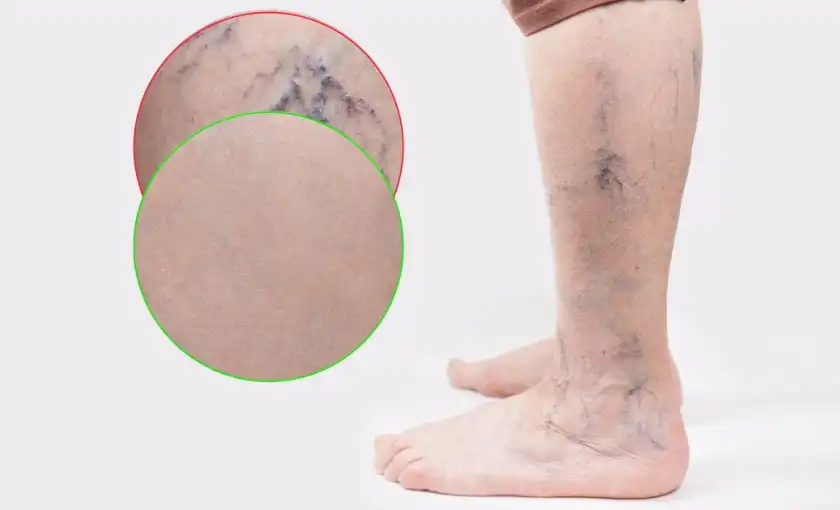
Varicose veins are enlarged, twisted veins that most commonly develop in the legs.
They occur when vein valves do not function effectively, allowing blood to flow backward and pool within superficial veins. This can increase pressure in the veins and cause them to become enlarged or bulging.
Varicose veins may cause:
- Aching
- Leg heaviness
- Swelling
- Cramping
- Itching
- Leg fatigue
- Tenderness
Some people have visible varicose veins without significant physical symptoms.
Is Exercise Good for Varicose Veins?
For most people, exercise is beneficial rather than harmful.
The calf muscles act as an important pump when you walk or move your ankles. Muscle contractions help move venous blood upward through the legs.
Research involving patients with chronic venous insufficiency has found that structured exercise aimed at improving calf muscle strength and ankle movement can improve calf-muscle pump function.
Regular activity can also help with weight management and reduce prolonged periods of inactivity.
What Exercises Should You Avoid With Varicose Veins?
There is not a specific group of exercises that everyone with varicose veins must avoid.
Instead, consider modifying activities that repeatedly cause increased pain, swelling, heaviness, or other symptoms.
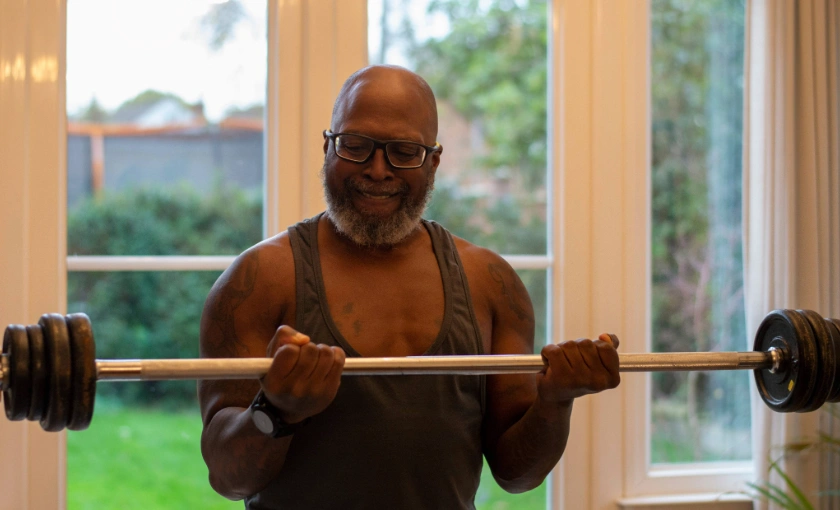
1. Very Heavy Weightlifting With Breath-Holding
Strength training is not automatically off-limits if you have varicose veins.
The concern is more about repeatedly lifting very heavy loads while holding your breath and straining.
If weightlifting makes your legs feel significantly more painful or heavy:
- Consider reducing the weight
- Use controlled movements
- Avoid prolonged breath-holding
- Take adequate rest between sets
- Discuss significant symptoms with your healthcare provider
You generally do not need to eliminate resistance training simply because you have varicose veins.
2. High-Impact Exercise That Worsens Symptoms
Running, jumping, and higher-impact workouts are not universally prohibited.
In fact, the NHS includes regular running and walking among activities that may help improve blood flow in people with varicose veins.
However, if repeated impact consistently causes increased:
- Aching
- Throbbing
- Swelling
- Heaviness
- Leg fatigue
you may feel better temporarily switching to a lower-impact activity and discussing persistent symptoms with a vein specialist.
3. High-Intensity Workouts That Cause Significant Leg Discomfort
HIIT, circuit training, and vigorous aerobic exercise may be appropriate for some people with varicose veins.
The intensity itself is not automatically harmful to the veins.
But if a particular workout repeatedly makes symptoms worse, reduce the intensity, shorten the session, or substitute lower-impact cardiovascular exercise.
4. Exercises That Require Prolonged Straining
Exercises that involve holding a difficult position for a long time may become uncomfortable if your legs already feel heavy or swollen.
Rather than avoiding these movements entirely, take breaks and change positions when symptoms develop.
5. Exercise Immediately After Certain Vein Procedures
Exercise recommendations are different after varicose vein treatment.
Walking is commonly encouraged after minimally invasive vein treatment, but strenuous exercise may need to be temporarily limited depending on the procedure. For example, Guy's and St Thomas' NHS Foundation Trust advises avoiding strenuous exercise during the first few days after treatment and gradually building activity back up.
Always follow the recovery instructions given by your treating physician.
Can You Run With Varicose Veins?
Yes, many people with varicose veins can run.
Running itself does not automatically need to be avoided simply because visible varicose veins are present. Regular running or walking can support circulation and physical fitness.
You may need to modify your running routine if you experience:
- Increasing pain
- Significant swelling
- Persistent heaviness
- Increasing tenderness
- Symptoms that continue after exercise
If symptoms are consistently interfering with running, a vein evaluation can help determine whether underlying venous reflux is contributing.
Are Squats and Lunges Bad for Varicose Veins?
Squats and lunges do not generally need to be eliminated because you have varicose veins.
These exercises activate large muscles in the legs and can be part of a normal strength-training program.
If heavy weighted squats or lunges cause pressure or discomfort:
- Reduce the weight
- Perform controlled repetitions
- Avoid excessive straining or breath-holding
- Use a comfortable range of motion
The goal is symptom-guided modification rather than automatically avoiding the movement.
Is Weightlifting Bad for Varicose Veins?
Weightlifting and resistance exercise can generally remain part of an active lifestyle.
People who experience symptoms during very heavy lifting may benefit from using lighter resistance and controlled breathing.
If your varicose veins become increasingly painful, swollen, or tender during weight training, discuss your symptoms with your healthcare provider.
Is Yoga Good for Varicose Veins?
Yoga can generally be performed with varicose veins.
Gentle yoga combines movement, stretching, and changes in body position and may be a comfortable form of exercise for people who experience leg heaviness.
You do not need to avoid yoga solely because you have varicose veins.
However, modify or skip poses that:
- Cause leg pain
- Require uncomfortable prolonged positions
- Cause dizziness or other symptoms
- Are inappropriate because of another medical condition
Leg elevation may also temporarily help some people experiencing venous heaviness or swelling.
What Are the Best Exercises for Varicose Veins?
Exercises that regularly activate the calf muscles without causing significant symptoms are good options for many people.
Walking
Walking is one of the simplest forms of exercise for varicose veins.
Each step activates the calf muscles and assists venous return from the lower legs.
Cycling
Cycling and stationary biking repeatedly move the ankle and activate the leg muscles without high impact.
Swimming and Water Exercise
Swimming and water aerobics provide cardiovascular activity with relatively little impact on the legs.
Calf Raises
Calf raises directly activate the calf-muscle pump.
They can be performed while standing and holding onto a stable surface for balance.
Ankle Flexion and Ankle Pumps
Moving the ankles through a comfortable range of motion activates muscles that contribute to venous return.
Exercise aimed at improving ankle mobility and calf strength has been studied as part of physical therapy for chronic venous disease.
What Exercise Is Recommended for Chronic Venous Insufficiency?
Chronic venous insufficiency (CVI) occurs when veins have difficulty efficiently returning blood from the legs.
Exercise programs for CVI commonly focus on:
- Walking
- Calf strengthening
- Ankle mobility
- Regular lower-leg movement
A randomized clinical trial found that structured exercise improved calf-muscle pump function in patients with advanced chronic venous insufficiency.
Physical activity does not repair dysfunctional vein valves, but it can support muscle-pump function and mobility.
What Exercises Should Be Avoided With Chronic Venous Insufficiency?
There is no universal list of exercises that every person with chronic venous insufficiency needs to avoid.
The appropriate level of exercise depends on factors such as:
- Severity of venous disease
- Swelling
- Skin changes
- Venous ulcers
- Mobility
- Other cardiovascular or medical conditions
Activities that significantly worsen pain or swelling should be modified and discussed with your healthcare provider.
People with more advanced CVI may benefit from an individualized exercise or physical therapy program.
Can Physical Therapy Help Varicose Veins?
Physical therapy does not eliminate varicose veins, but certain exercises may help improve mobility, calf strength, and ankle range of motion.
A varicose veins physiotherapy treatment program may focus on exercises that activate the calf-muscle pump, particularly when chronic venous insufficiency affects mobility or lower-leg function.
Research has found potential benefits from structured calf-strengthening and ankle-mobility exercise in chronic venous disease.
Physical therapy should be considered supportive care rather than a treatment that closes or removes an abnormal vein.
How Can You Exercise Safely With Varicose Veins?
A few practical habits can make exercise more comfortable:
- Warm up before vigorous activity
- Increase exercise intensity gradually
- Take movement breaks if you sit for long periods
- Use controlled breathing during resistance exercises
- Wear comfortable, supportive footwear
- Stop or modify activities that cause significant pain
- Elevate your legs after activity if that helps your symptoms
- Use compression stockings during exercise if your healthcare provider recommends them
There is no need to force yourself through worsening vein pain simply to complete a workout.
When Should Exercise-Related Leg Symptoms Be Evaluated?
Consider seeing a vein specialist if exercise is repeatedly associated with:
- Significant leg swelling
- Persistent aching or heaviness
- Painful bulging veins
- Increasing tenderness
- Skin discoloration
- Persistent itching or skin changes
- Symptoms that interfere with your ability to exercise
These symptoms may indicate that venous reflux is contributing.
Exercise and Varicose Vein Treatment at BASS Vein Center
Exercise can support circulation and help manage some symptoms, but it does not repair damaged vein valves or remove established varicose veins.
If pain, heaviness, swelling, or visible veins are making it difficult to remain active, BASS Vein Center can evaluate whether an underlying vein condition is contributing.
Treatment options may include conservative management or minimally invasive procedures depending on your symptoms and ultrasound findings.
Schedule a vein evaluation or call 925-477-3030 to discuss your symptoms.
Frequently Asked Questions
What exercises are bad for varicose veins?
There is no universal list of exercises that everyone with varicose veins must avoid. Activities that repeatedly worsen pain, swelling, or heaviness may need to be modified. Very heavy lifting with prolonged straining may also be uncomfortable for some people.
What are the best exercises for varicose veins?
Walking, cycling, swimming, calf raises, and ankle-mobility exercises are commonly suitable options because they activate the muscles of the lower legs.
Is running bad for varicose veins?
Not necessarily. Many people with varicose veins can run safely, and regular running or walking can help support blood flow. If running consistently causes worsening pain or swelling, consider modifying your routine and having persistent symptoms evaluated.
Can I lift weights with varicose veins?
Many people can continue resistance training. If very heavy lifting or straining worsens your symptoms, consider reducing the load, breathing normally throughout the movement, and discussing persistent symptoms with your healthcare provider.
Is yoga good for varicose veins?
Yoga can generally be performed by people with varicose veins. Choose positions that are comfortable and modify poses that cause pain, excessive straining, or other symptoms.
Does exercise help chronic venous insufficiency?
Exercise that strengthens the calf muscles and improves ankle mobility may help improve calf-muscle pump function in people with chronic venous insufficiency, although it does not repair damaged vein valves.
Can exercise get rid of varicose veins?
No. Exercise can support circulation, mobility, and symptom management, but it does not close or remove established varicose veins.
Should I exercise after varicose vein treatment?
Walking is commonly encouraged after many minimally invasive vein treatments, while strenuous activity may be restricted temporarily. Follow the specific post-procedure instructions from your treating physician.
Note: Coverage varies between insurance plans. Please check with your insurance provider before scheduling. BASS Vein Center will verify your benefits so you understand any out-of-pocket costs ahead of treatment.
Medical Disclaimer: The information provided in this blog is for educational and informational purposes only and is not intended as medical advice, diagnosis, or treatment. BASS Medical Group does not endorse any specific tests, treatments, procedures, or opinions referenced in this content. Individual results may vary. Always consult with your physician or a qualified healthcare provider regarding any medical concerns or before making changes to your health regimen.