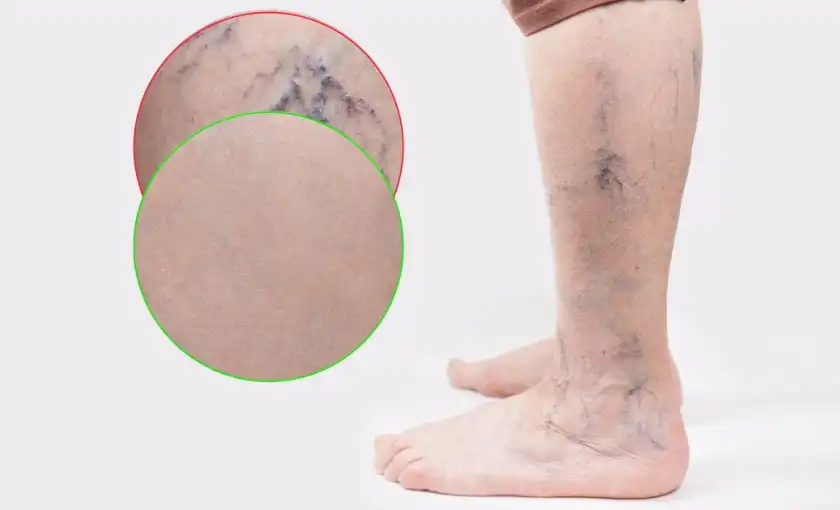
Why Do Women Get Varicose Veins More Than Men?
Varicose veins are often thought of as a cosmetic issue that mainly affects women, but that is only part of the story. Both men and women can develop varicose veins, although women tend to experience them more often.
Understanding why this happens can help you recognize early signs and take steps to protect your vein health.
Do Women Get Varicose Veins More Often Than Men?
Yes. Women are more likely to develop varicose veins than men.
Hormonal changes, pregnancy, and certain lifestyle factors all play a role. That said, men are still at risk, especially with age or prolonged standing.
Why Are Women More Prone to Varicose Veins?
Hormonal Changes
Hormones such as estrogen and progesterone can relax the walls of blood vessels. When vein walls become less firm, it becomes easier for blood to pool instead of flowing efficiently back to the heart.
This is one of the primary reasons women are at higher risk.
Pregnancy
Pregnancy places additional pressure on the veins in the legs.
As the uterus grows, it can compress major veins in the pelvis, slowing blood flow. At the same time, increased blood volume and hormonal changes further strain the veins.
Many women first notice varicose veins during pregnancy.
Birth Control and Hormone Therapy
Hormonal medications, including birth control pills and hormone replacement therapy, can have similar effects on vein walls.
While not everyone will develop vein issues, these medications can increase susceptibility in some individuals.
Long Periods of Standing or Sitting
Jobs or routines that involve standing or sitting for extended periods can affect circulation.
Women working in healthcare, retail, or office settings may be at higher risk if movement is limited throughout the day.
Genetics
Family history plays a significant role.
If close relatives have varicose veins, your likelihood of developing them increases, regardless of gender.
Do Men Get Varicose Veins Too?
Yes. Varicose veins are not limited to women.
Men may be less likely to seek treatment early, which can sometimes lead to more advanced symptoms before evaluation.
Common risk factors for men include:
- Age
- Occupations that require prolonged standing
- Obesity
- Family history
What Do Varicose Veins Feel Like?
Varicose veins are not always just a visual concern.
Common symptoms include:
- Aching or heaviness in the legs
- Swelling, especially after standing
- Throbbing or cramping
- Itching around visible veins
- Fatigue in the legs
Symptoms often worsen at the end of the day or after long periods of inactivity.
When to See a Vein Specialist
You should consider an evaluation if you notice:
- Persistent leg pain or heaviness
- Swelling that does not improve
- Skin changes near the ankles
- Bulging or worsening veins
Early treatment can help prevent progression and improve comfort.
Treatment Options Are Available for Both Men and Women
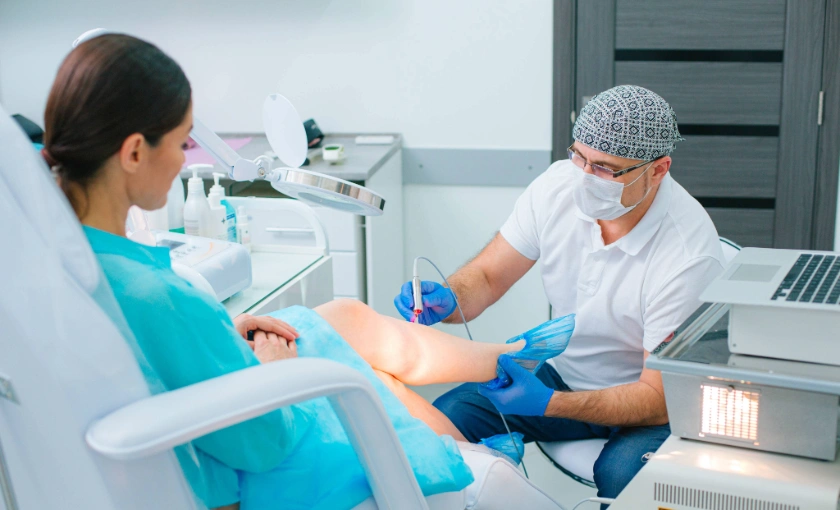
Modern vein treatments are minimally invasive and designed to improve both symptoms and appearance.
Options may include:
- Radiofrequency ablation
- VenaSeal closure
- Sclerotherapy
- Ambulatory phlebectomy
A provider can determine the most appropriate treatment based on your symptoms and vein condition.
Supporting Your Vein Health
While not all cases can be prevented, a few habits may help reduce your risk:
- Stay active and avoid long periods of inactivity
- Elevate your legs when possible
- Maintain a healthy weight
- Wear compression stockings if recommended
Small changes can support circulation and reduce strain on your veins.
The Bottom Line
Women are more likely to develop varicose veins, largely due to hormonal factors and pregnancy. However, varicose veins can affect anyone.
If you are experiencing symptoms, early evaluation can help you understand your options and prevent the condition from worsening.
If you are noticing symptoms of varicose veins, a BASS Vein Center specialist can evaluate your condition and recommend appropriate treatment options.
Schedule a consultation today to take the next step toward healthier circulation.
Note: Coverage varies between insurance plans. Please check with your insurance provider before scheduling. BASS Vein Center will verify your benefits so you understand any out-of-pocket costs ahead of treatment.
Medical Disclaimer: The information provided in this blog is for educational and informational purposes only and is not intended as medical advice, diagnosis, or treatment. BASS Medical Group does not endorse any specific tests, treatments, procedures, or opinions referenced in this content. Individual results may vary. Always consult with your physician or a qualified healthcare provider regarding any medical concerns or before making changes to your health regimen.